
Who are the Viet people?
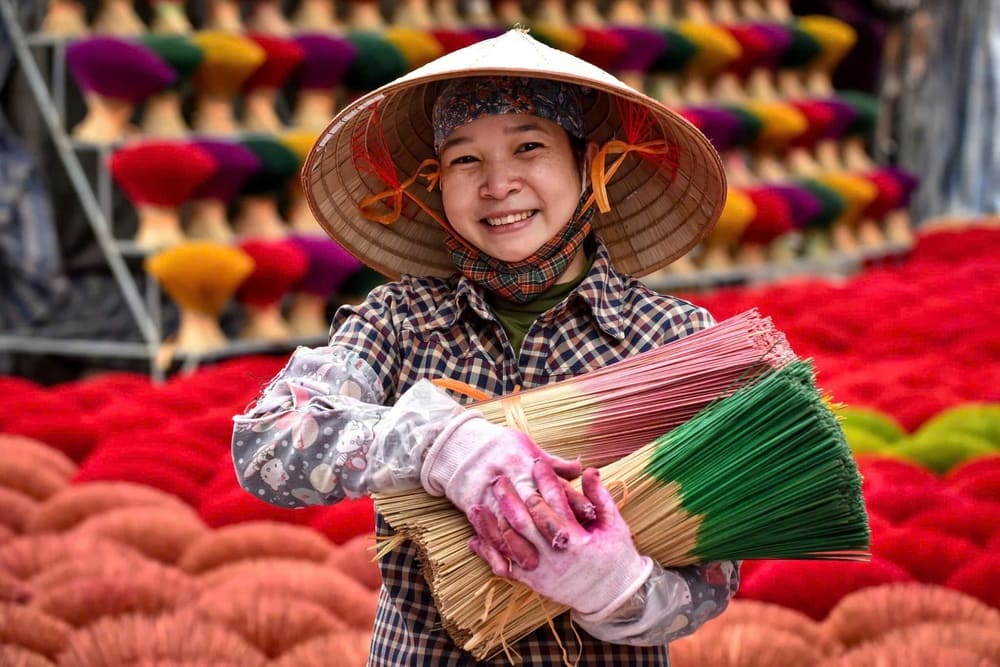
The Viet people, also known as the Kinh, are Vietnam's majority ethnic group, making up roughly 85 to 86% of the national population. Native to northern Vietnam and the Red River Delta, they speak Vietnamese, an Austroasiatic language, and drive the nation's core cultural identity.
.jpg)
The "Dragon and Fairy" origin legend
Vietnamese mythology traces the origin of its people back to the union of Lạc Long Quân, a Dragon Lord from the sea, and Âu Cơ, a fairy from the mountains. According to folklore, Âu Cơ birthed a sac of 100 eggs, which hatched into 100 robust children. Eventually, the couple separated to populate different domains; 50 children followed their father to the coastal regions, while 50 followed their mother to the mountainous highlands.
Consequently, this legend establishes the foundational concept of national unity among the Vietnamese people. The word for compatriot in Vietnamese is "đồng bào," which literally translates to "from the same sac" or "born from the same womb." You will frequently hear this term used by politicians, teachers, and locals to emphasize an unbreakable brotherhood across all geographic boundaries within the country.
.jpg)
Historical roots and the Van Lang kingdom
Historical records show the first structured kingdom, Van Lang, formed in the 7th Century BC under the rule of the Hung Kings. Today, the nation honors this origin with a national public holiday on the 10th day of the third Lunar Month. During the Hung Kings' Death Anniversary, millions of citizens pay tribute at temples in Phu Tho province, making it a critical time to secure your domestic travel tickets well in advance.
Following this early era, the Vietnamese endured a grueling historical timeline that heavily shaped their modern identity. A harsh 1,000-year period of Chinese domination introduced Confucian philosophies, Buddhism, and chopsticks to the local culture. Later, 78 years of French colonization left a lasting imprint through the Latin-based Quốc Ngữ alphabet, colonial architecture, and culinary staples like the baguette. Finally, the 21-year Vietnam War forged a hardened resilience that characterizes the older generation today.
.jpg)
What are Vietnam's ethnic groups?
Vietnam officially recognizes 54 distinct ethnic groups operating within its national borders. While the Viet (Kinh) comprise about 86% of the population, the remaining 14% includes 53 minority groups like the Tay, Hmong, Cham, and Mường, with the smallest being the Rơ Măm at under 400 people.
The Kinh majority vs. 53 minority groups
Understanding the demographic split is essential when you travel from the modernized coastal plains into the remote mountainous regions. The Kinh govern the political and economic centers, while the minority groups preserve highly specific ancient customs, textiles, and dialects.
| Criteria | The Kinh (Viet) Majority | Major Minority Groups (e.g., Tay, Hmong, Cham) |
|---|---|---|
| Population Percentage | ~85% to 86% | ~14% to 15% combined |
| Primary Regions | Red River Delta, Mekong Delta, Major Cities | Northern Highlands (Sapa, Ha Giang) and Central Highlands |
| Key Cultural Traits | Wet-rice agriculture, Confucian values, high tech adoption | Matrilineal societies (Cham), distinct textile weaving, terrace farming |
Physical features and population demographics
With a national population hovering between 98 million and 100 million, Vietnam ranks as the 15th most populous country globally. Demographically, it features a young workforce, though the median age is slowly rising as the country develops economically. Statistically, the population exhibits specific physical metrics that directly impact travelers.
Recent health data indicates that Vietnamese men average a height of 164cm (approximately 5'4"), while women average 153cm (approximately 5'0"). Therefore, if you are shopping for local clothing or shoes, you must anticipate a significant size difference. Foreigners routinely need to purchase items one or two sizes larger than their standard US or European measurements, making custom tailors in cities like Hoi An a highly practical service.
.jpg)
Modern Vietnamese culture and daily life
Modern Vietnamese culture actively balances deep ancestral traditions with rapid technological and economic modernization. You will encounter high-tech urban environments where citizens seamlessly transition from burning incense for their ancestors to managing complex logistics and remote businesses using advanced local mobile applications.
.jpg)
The generational shift: Digital natives vs. traditionalists
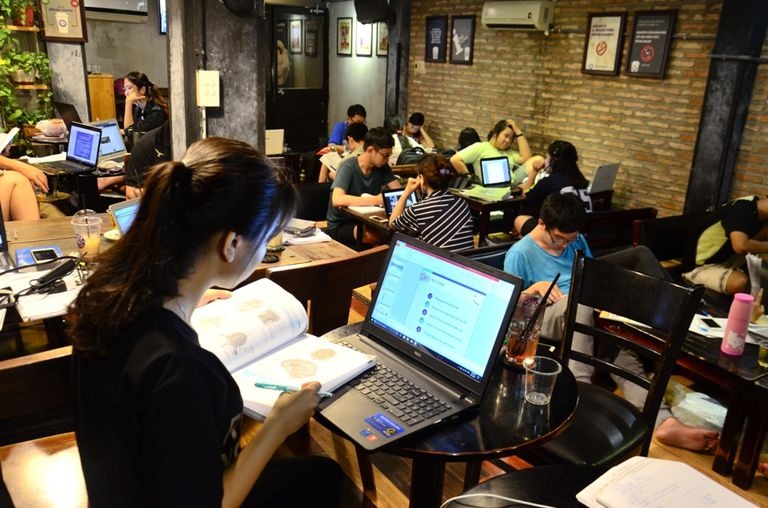
The traditional trope of Vietnam as an exclusively agrarian society is highly outdated. Today, Gen Z and Millennial urbanites dominate the economic landscape, driving a massive shift toward service industries, software development, and modern retail. In hubs like Ho Chi Minh City (Saigon) and Hanoi, a pervasive "Work from Cafe" culture exists, characterized by thousands of independent coffee shops offering high-speed internet for remote workers.
To operate effectively in this environment, you must download essential local technology. Zalo is the undisputed communication tool; landlords, tour guides, and business partners will expect you to use it instead of WhatsApp. Additionally, Grab is mandatory for secure, meter-free transportation and parcel delivery, while ShopeeFood will deliver local street food or high-end meals directly to your location.
Sidewalk socializing and communal eating rules
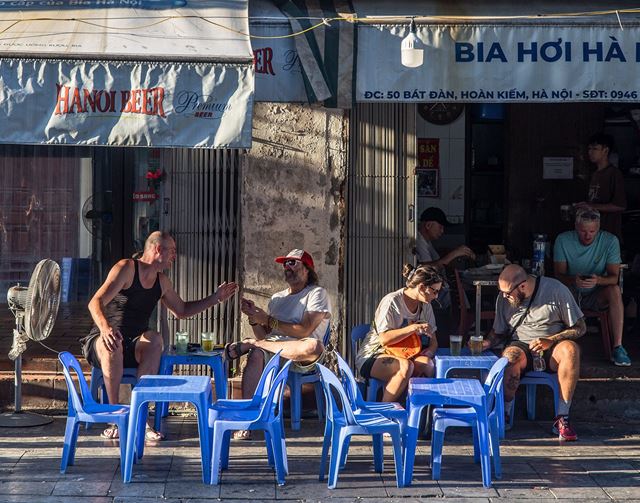
Street life remains the cultural core of Vietnamese daily interactions. Small plastic stools line the sidewalks, serving effectively as the "living rooms" of the city where locals gather to drink iced coffee, eat pho, and gossip. Sitting on these low stools is a highly egalitarian practice that erases class distinctions over affordable street food.
When participating in these meals, you must observe strict communal eating etiquette. Sharing dishes placed in the center of the table is a requirement for demonstrating togetherness; you should never order a single large dish exclusively for yourself. Furthermore, standard etiquette dictates eating three small bowls of rice per meal, using the opposite ends of your chopsticks when transferring food from a communal plate to someone else's bowl.
.jpg)
📌 Expert Insight:
The English Accessibility Map: You will find high English proficiency in commercial hubs like Da Nang, Ho Chi Minh City, and Hanoi. Conversely, you must rely heavily on voice translation apps when exploring Sapa's back-country or the rural villages of the Mekong Delta.
Navigating social nuances and "saving face"
Navigating Vietnamese society requires a strict understanding of "saving face" to preserve personal and professional dignity. You must manage conflicts privately and learn to read indirect social cues, as locals heavily prioritize communal harmony over blunt honesty or public confrontation.
The "smile" context and the "polite no"
Western travelers frequently misunderstand the Vietnamese smile. While it communicates joy, a smile is also heavily utilized as a defense mechanism to mask embarrassment, smooth over awkwardness, or apologize for a mistake. If a waiter spills your drink and smiles, they are not mocking you; they are attempting to defuse a highly uncomfortable situation.
Additionally, locals find it exceedingly difficult to give a direct "no" to a request, as doing so causes both parties to lose face. You must learn to spot a "hesitant yes." If you ask for an impossible modification to a hotel booking and the clerk smiles, avoids eye contact, and says "I will try," they are almost certainly giving you a polite refusal. Pushing the issue further will only create anxiety.
.jpg)
Respecting elders and modern taboos
Age rigidly dictates the social hierarchy, and the Vietnamese language reflects this through a complex system of pronouns. You rarely use the word "you." Instead, you address people based on their perceived age relative to yours: Anh for an older brother figure, Chị for an older sister figure, and Em for someone younger. Using the correct pronoun immediately establishes respect and rapport.
Public reprimands are a severe modern taboo. If you experience poor service from a tour guide or a hotel employee, you must never shout or scold them in front of others. Doing so destroys their social standing (mất mặt) and will guarantee a lack of future cooperation. Always pull management aside privately to resolve disputes.
.jpg)
📌 Expert Insight:
Tipping & Bargaining Myths: Tipping is now expected at high-end spas and for private tour guides, but it is strictly unnecessary at street food stalls. When bargaining at markets, maintain a polite smile and treat it as a game rather than showing aggression, which quickly terminates the negotiation.
How many Vietnamese live in the US?
As of recent census data, approximately 2.3 million people identify as Vietnamese in the United States. They represent the fourth-largest Asian American group, with about 60% being immigrants and possessing a median household income of roughly $86,000 annually.
The global Vietnamese diaspora
Vietnamese Americans exert a massive cultural and economic impact both domestically and internationally. Enclaves such as Little Saigon in Orange County, California, operate as massive commercial hubs that generate billions in annual revenue. Furthermore, this diaspora sends significant financial remittances back to Vietnam, directly fueling local economic growth and real estate development in cities like Saigon.
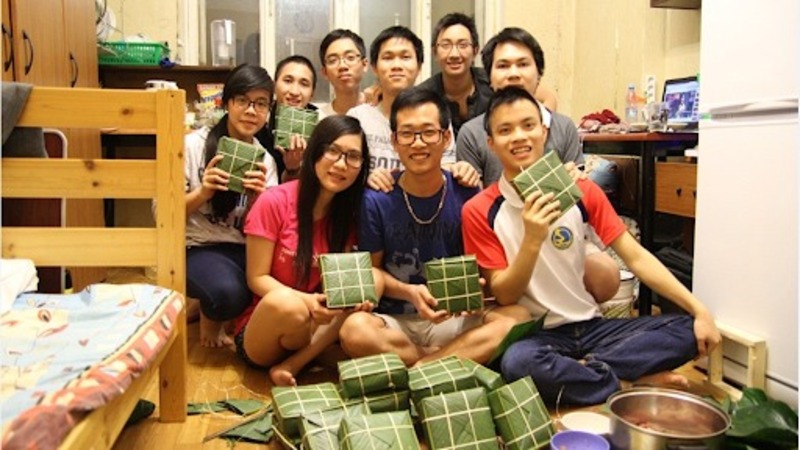
Despite being geographically separated from their homeland, this community rigorously maintains its traditions. The celebration of the Lunar New Year (Tet) remains a massive event in the United States, complete with traditional lion dances and ancestral offerings. Multi-generational family structures also persist abroad, with grandparents often living in the same household to provide childcare and ensure the Vietnamese language passes to the youngest generations.
Who were the Vietnamese boat people?
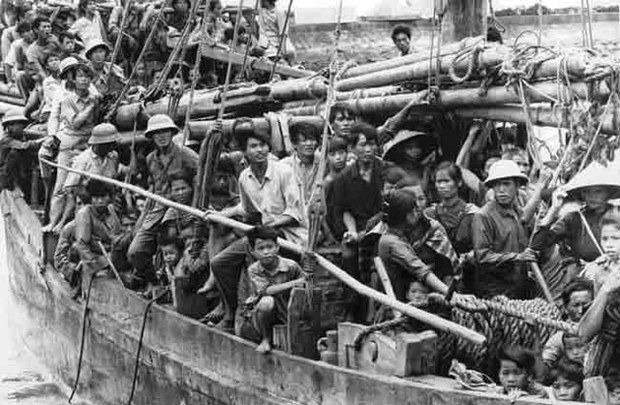
The "boat people" were nearly 2 million Vietnamese refugees who fled the country by sea following the end of the Vietnam War in 1975. Escaping severe political oppression and economic hardship, many survived treacherous maritime journeys before eventually resettling in North America, Europe, and Australia.
Post-1975 migration and resilience
Following the fall of Saigon, hundreds of thousands of citizens facing "re-education" camps or absolute poverty chose to risk their lives on the open ocean. They packed into small, unseaworthy fishing vessels, attempting to navigate the volatile South China Sea. During these harrowing journeys, refugees faced violent storms, starvation, and rampant attacks from maritime pirates, resulting in tragic casualty rates that shocked the international community.
Consequently, these historic migrations forced a massive shift in international refugee policies, culminating in programs like the Comprehensive Plan of Action. The survivors of these journeys established the foundation of the modern global Vietnamese diaspora. Their unparalleled resilience not only allowed them to rebuild completely fractured lives in foreign nations but also left an enduring legacy of survival and adaptability that defines the global Vietnamese identity today.
.jpg)
---Related Articles---
- The complete guide to Vietnam visa on arrival
- Vietnam visa exemption: Latest rules, 5-year certificates, and entry conditions
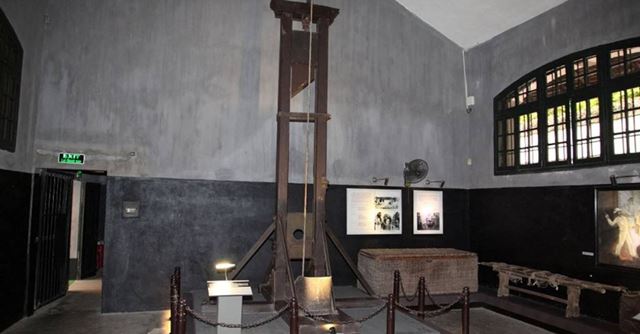
- Hoa Lo Prison: History, tickets, and insider tips 2026
- Vietnam visa extension and visa runs: Latest rules and DIY steps
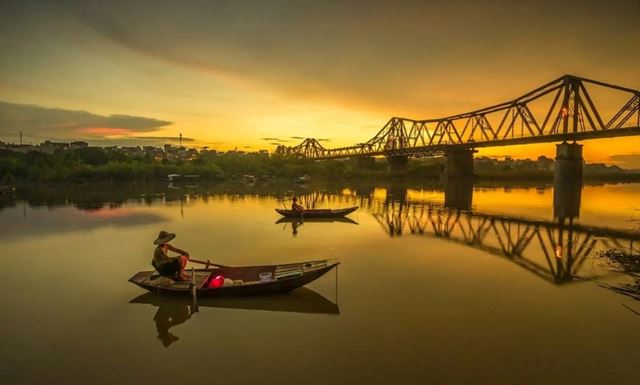
- A complete guide to exploring Long Bien Bridge

Comments