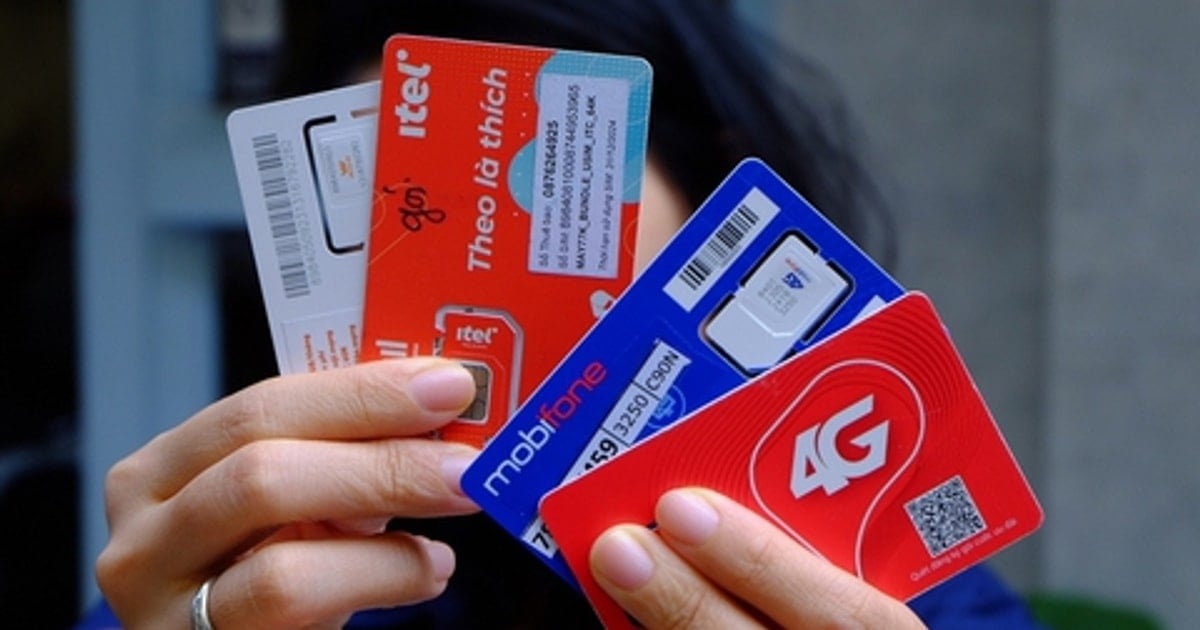

Vietnam SIM card registration laws have tightened, and "plug-and-play" is no longer as simple as it sounds. We’ve done the legwork to find the best value for your money, so you don't have to guess which kiosk is offering a fair deal.
Tourist SIM cards typically cost 50,000 VND for the physical card, with data plans ranging from 90,000 to 250,000 VND. Premium tourist packages run 150,000 to 250,000 VND ($6-10 USD) for 15 to 30GB over 7 to 30 days. Pricing fluctuates based on your purchase location, meaning convenience comes at a specific premium if you buy immediately upon arrival.
(1).jpg)
Understanding the pricing tiers prevents you from overpaying at unofficial vendors. Standard tourist plans generally allocate between 1GB to 4GB of high-speed data per day. Once you hit this daily cap, speeds throttle down to basic 3G, which remains sufficient for sending text messages but struggles with map navigation. Consequently, paying slightly more upfront for a higher daily allowance saves you from daily top-up inconveniences.
| Purchase Location / Type | Average Cost (VND / USD) | Typical Data Allowance |
|---|---|---|
| Official City Store (Physical SIM) | 150,000 - 200,000 VND ($6 - $8) | 30GB (1GB/day for 30 days) |
| Airport Arrival Kiosk (Physical SIM) | 250,000 - 300,000 VND ($10 - $12) | 30GB to Unlimited (Throttled) |
| Digital eSIM (Regional/Local) | 125,000 - 375,000 VND ($5 - $15) | 5GB to 20GB (Valid 7-15 days) |
.jpg)
You will notice that airport kiosks command a distinct markup. They routinely charge $10 to $12 for the exact same package that costs $6 to $8 at a Viettel or Vinaphone storefront in downtown Hanoi or Ho Chi Minh City. Furthermore, regional eSIM bundles prove highly cost-effective if your itinerary includes bordering nations. Buying a multi-country Asia package allows you to retain connectivity immediately when crossing into Thailand, Cambodia, or Malaysia on the same trip.
Viettel offers the best overall coverage in Vietnam, especially in rural or mountainous areas like Sapa. They provide generous tourist packages with 15-30GB of data and reliable 4G LTE speeds up to 3x faster than competitors. Opting for this state-owned network drastically minimizes signal dead zones during transit across provincial highways.
Vietnam operates on a heavily competitive telecom grid dominated by three major players, plus a few budget alternatives. Choosing the right one dictates whether you can load a map on a remote mountain pass or if you are left relying on offline downloads. Viettel utilizes military-backed infrastructure, giving it unparalleled reach into remote valleys. Vinaphone serves as a highly capable runner-up, excelling in major urban centers with excellent 4G stability. MobiFone rounds out the top three, functioning well in southern tourist hubs but struggling slightly in the northern highlands.
(1).jpg)
| Network Provider | Network Speed & Rural Coverage | Best Use Case for Tourists |
|---|---|---|
| Viettel | Excellent / Superior nationwide reach | Ha Giang Loop, Sapa, cross-country train routes |
| Vinaphone | Fast / Good but drops in deep valleys | City hopping (Hanoi, Da Nang, HCMC) |
| MobiFone | Average / Limited in northern provinces | Southern itineraries (Mekong Delta, Phu Quoc) |
| Vietnamobile | Slow / Very poor outside city limits | Strictly budget travelers staying centrally |
%20(1)(1).jpg)
📌 Expert Insight:
Good to know - If you lose signal in mountainous regions like Ha Giang, toggle Airplane Mode on and off to force your phone to find the nearest cell tower. This manually resets the radio antenna and often restores a dropped 4G connection.
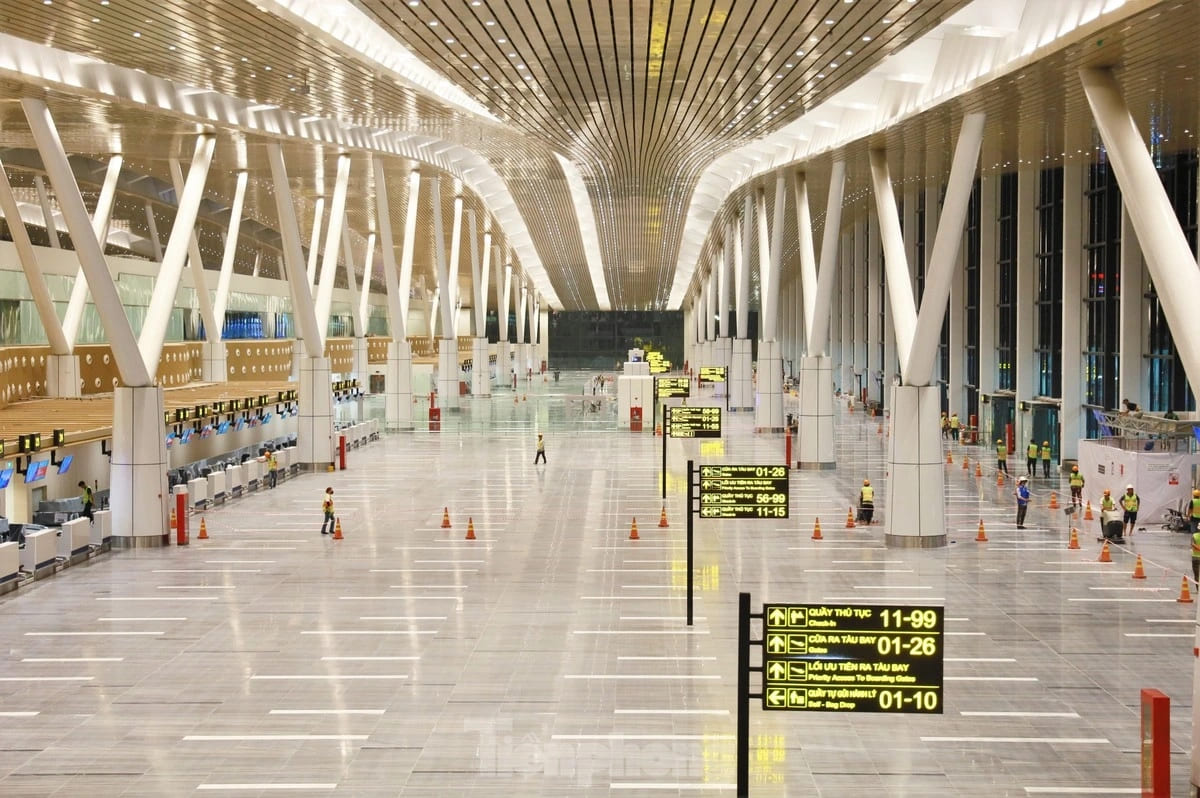
Yes, physical SIM cards are readily available at Noi Bai (Hanoi), Tan Son Nhat (HCMC), and Da Nang airports. Major providers have kiosks where staff will instantly register the SIM using your passport. These official stalls operate round-the-clock to accommodate late-night international arrivals.
Purchasing a SIM card before leaving the terminal provides immediate peace of mind. As you exit baggage claim and clear customs, you will encounter rows of brightly lit telecom counters. However, this high convenience always comes with a 30-50% financial surcharge compared to buying the exact same package at a street-level store.
(1).jpg)
A physical SIM guarantees you receive a local phone number necessary for registering with domestic service apps, whereas an eSIM provides immediate data access without removing your home card. Your decision hinges entirely on how deeply you plan to integrate with local digital infrastructure.
Travelers increasingly favor eSIMs for their instant activation via QR code. You can purchase one over airport Wi-Fi and bypass kiosk lines entirely. However, purely data-driven eSIMs present a major operational blind spot in Vietnam. Without a "+84" local phone number, creating accounts on critical local platforms becomes impossible.
(1).jpg)
| Feature | Physical SIM Card | Tourist eSIM |
|---|---|---|
| Activation Time | 10-15 minutes (requires passport scan) | Instant (via digital QR code setup) |
| Local Phone Number (+84) | Always included | Rarely included (Data-only standard) |
| Hardware Requirement | Unlocked phone with physical tray | Unlocked, modern eSIM-compatible device |
(1).jpg)
📌 Expert Insight:
Good to know - Many eSIMs do not include a local phone number. You will need a local number to register for ride-hailing apps like Grab so drivers can call you to confirm pickup locations in heavy traffic zones.
For a 2-week stay, Vinaphone offers a daily data plan at 70,000 VND (~$3) for 1.5GB/day over 7 days, which can be renewed. Alternatively, Mobifone offers 5-20GB packages for 100,000-180,000 VND (~$4-7). Short-term travelers who rely heavily on hotel Wi-Fi can leverage these micro-plans to drastically reduce travel expenses.
Micro-duration prepaid plans offer surgical precision for your travel budget. If you are traveling with a partner or family, buying one high-capacity physical SIM and tethering the connection to other devices is highly efficient. All major Vietnamese networks permit unrestricted mobile hotspot sharing without secondary fees.
.jpg)
Yes, popular tourist packages often include free, unlimited access to social media apps like Facebook, Zalo, and TikTok. All major providers also support reliable 4G LTE for high-speed streaming. This zero-rating data structure ensures your core communication channels remain open even if you exhaust your daily gigabyte allowance.
.jpg)
Telecom marketing heavily promotes lightning-fast connectivity, but ground realities dictate a different experience for tourists. While carriers aggressively advertise 5G network rollouts, functional access remains highly geographically restricted.
.jpg)
Securing data is only the first step; configuring essential regional apps is mandatory for safe transport and communication. You must pair your new network access with localized digital tools to navigate urban centers and book services effectively. Preparing your smartphone environment separates smooth logistics from constant frustration.
Your local SIM card serves as the key to unlocking Southeast Asia's digital ecosystem. Without the right localized software installed, high-speed data provides limited utility. Navigating transport and local communication requires immediate adoption of regional mega-apps.
.jpg)
.jpg)
Vietnam is rapidly transitioning toward a cashless society via QR codes. However, digital wallets contain specific regulatory hurdles for non-residents. Tourists frequently attempt to download domestic financial apps only to encounter hard verification stops.
📌 Expert Insight:
Good to know - Topping up via local e-wallet apps like MoMo requires a local Vietnamese bank account. Tourists should strictly stick to buying physical top-up scratch cards (The Cao) at widespread convenience stores like Circle K, WinMart, or FamilyMart.
.jpg)
Vietnamese telecom systems issue automated network warnings strictly in the local language, making translation critical to avoid unexpected disconnections. You must actively monitor incoming carrier messages to ensure your passport registration remains valid and your data balance stays funded throughout your journey.
The Ministry of Information and Communications enforces rigid identity rules on all active phone numbers. Buying a pre-registered card off the street might work for 48 hours, but the network eventually audits the database. Vietnamese law strictly requires all active SIMs to be registered to a valid, present passport and corresponding face scan.
.jpg)
Ignoring carrier warnings directly leads to sudden service blackouts. Because automated texts arrive in Vietnamese, matching the syntax to common alert patterns allows you to take necessary action before your network access drops completely.
| Automated Vietnamese SMS | English Translation | Action Required |
|---|---|---|
| Quy khach da su dung het dung luong... | You have used up your data capacity... | Buy a top-up card and dial the *100* syntax to add funds. |
| Thue bao cua quy khach chua duoc chuan hoa... | Your subscription is not standardized (Unverified)... | Visit an official store with your passport immediately. |
| Tai khoan cua quy khach sap het... | Your account balance is running low... | Monitor usage or prepare to top up via Circle K. |
(1).jpg)
📌 Expert Insight:
Good to know - Always verify your official registration status by texting TTTB to 1414 (free of charge). If the returned details do not match your passport name and number exactly, visit an official Viettel or Vinaphone storefront immediately to prevent mid-trip service deactivation.
CTA TA
---Related Articles---
Best visited during dry season (November to April) for ideal weather.
Book accommodations in advance during peak travel season.
Carry local currency (Vietnamese Dong) for markets and small vendors.
Respect local customs and dress modestly when visiting temples.






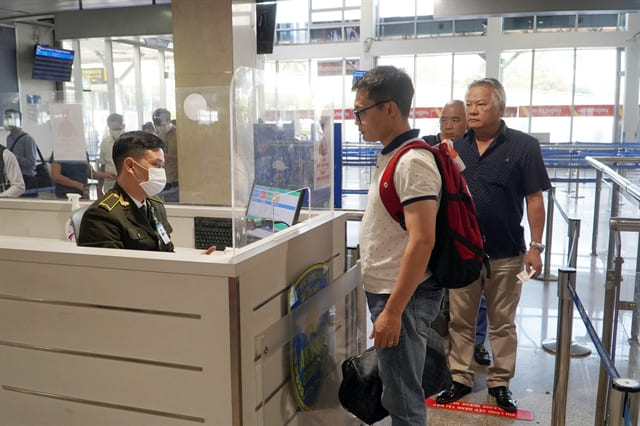
Hanoi, Vietnam
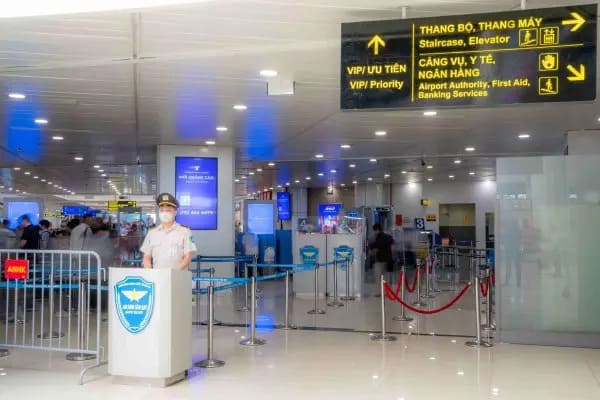
Walk past the immigration queue at Noi Bai Airport. A dedicated Sondax escort guides you through priority lanes — typically done in under 20 minutes.
Ho Chi Minh City, Vietnam
Beat the immigration queue at Tan Son Nhat Airport. Our team escorts you through priority lanes — arrival or departure done in under 30 minutes.
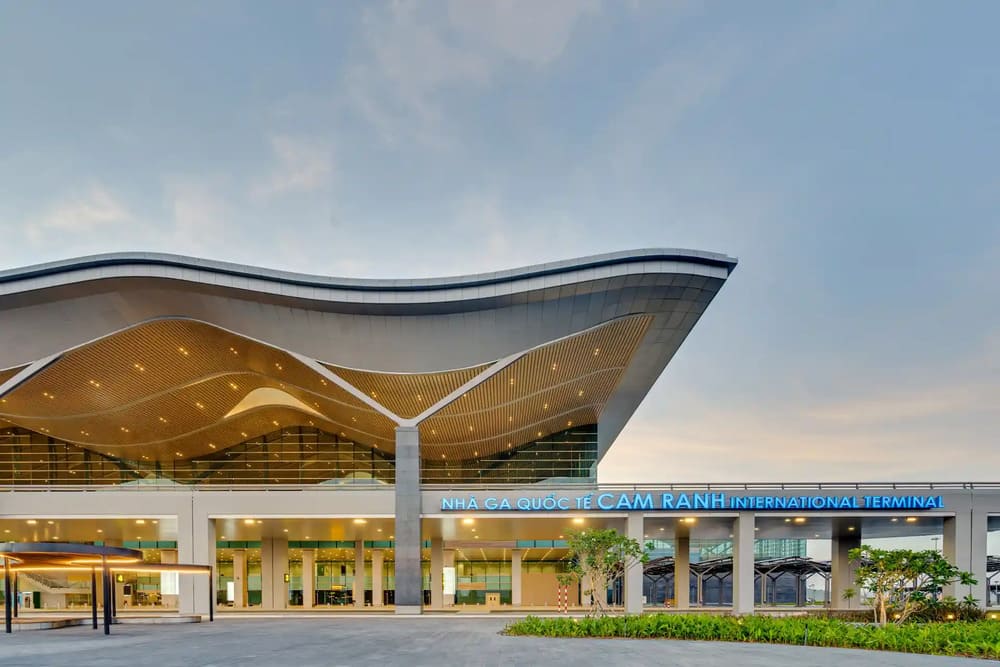
Nha Trang, Vietnam
Priority immigration clearance at Cam Ranh International Airport. Quick entry to Nha Trang.
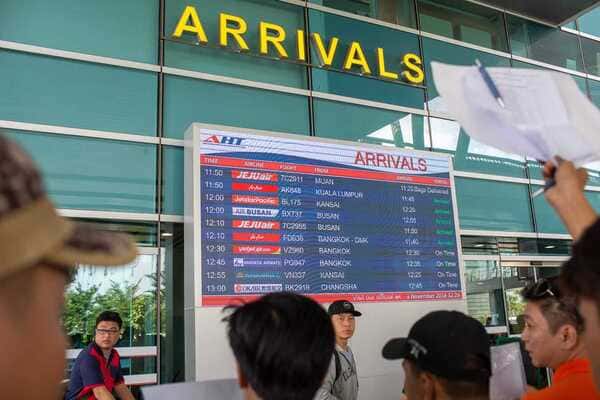
Da Nang, Vietnam
Priority immigration clearance at Da Nang International Airport. Skip the queue and clear immigration quickly.

Phu Quoc, Vietnam
Priority immigration clearance at Phu Quoc International Airport. Fast entry to paradise island.
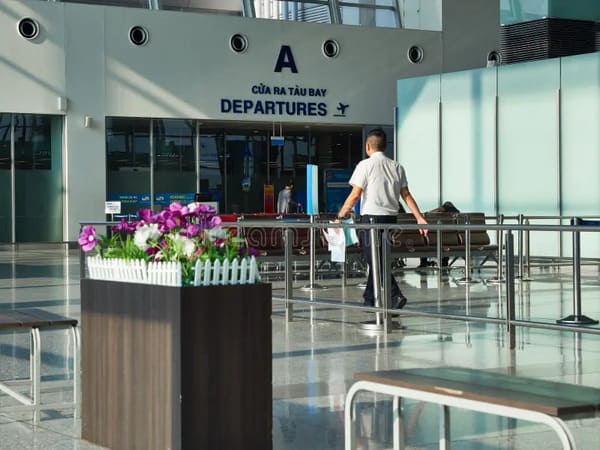
Noi Bai International Airport, Hanoi
Walk past the immigration queue at Noi Bai Airport. A dedicated Sondax escort guides you through priority lanes - typically done in under 20 minutes.
Tan Son Nhat, Ho Chi Minh City
Beat the immigration queue at Tan Son Nhat Airport. Our team escorts you through priority lanes — arrival or departure done in under 30 minutes.