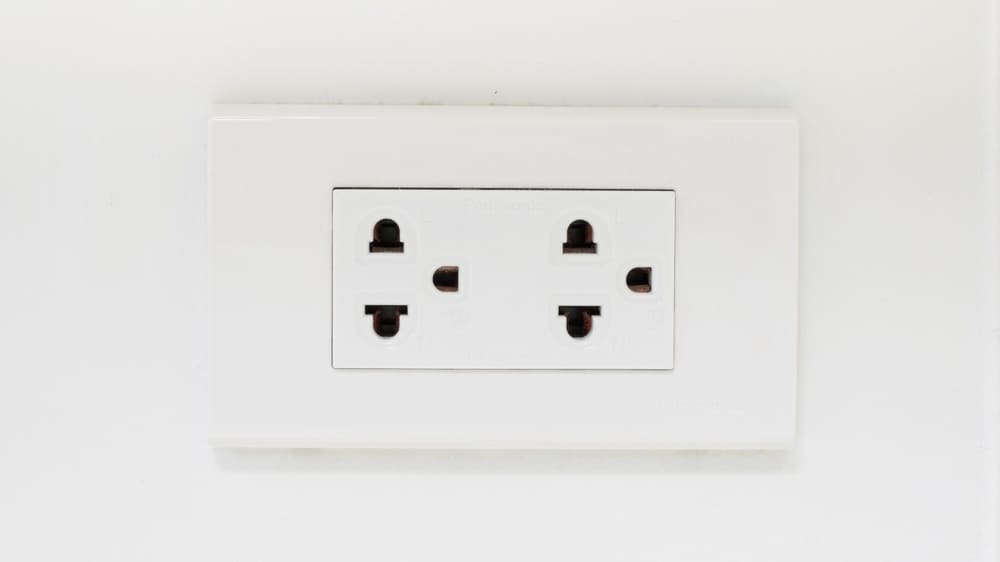

With a "maze" of Type A, C, and F outlets, keeping your gear alive can be a challenge. Don’t risk frying your MacBook or running out of juice on a cross-country train! Spend 2 minutes with this guide to master the local power grid and keep your tech ready for every photo op.
Vietnam primarily uses Type A (two flat vertical pins) and Type C (two round pins). You will also find Type D in older buildings, while modern hotels often feature universal sockets that accept various international plugs without requiring any additional travel hardware.
Understanding the physical differences between your home country's plugs and the local standard dictates what accessories you need to pack. Buying your adapters before arrival saves you the immediate trouble of hunting down an electronics shop after a tiring long-haul flight.
.jpg)
| Criteria | US (Type A/B) | UK & SG (Type G) | Australia (Type I) |
|---|---|---|---|
| Plug Match | Partial (Type A fits, Type B needs adapter) | None (Adapter required) | None (Adapter required) |
| Adapter Needed | Yes, for 3-pin devices | Yes, mandatory | Yes, mandatory |
| Grounding | Poor compatibility | Poor compatibility | Poor compatibility |
International plug configurations differ wildly in both geometric shape and safety features. Preparing the correct hardware ensures your equipment functions flawlessly upon check-in.
.jpg)
.jpg)
(1).jpg)
The standard electricity voltage in Vietnam is 220V with a frequency of 50Hz. Travelers from regions with 110V standards must carefully check device compatibility to avoid permanently damaging their hardware and triggering electrical hazards upon plugging into the wall.
Failing to verify these voltage requirements is the leading reason tourists accidentally destroy hair dryers and electric shavers. Sending 220V through a single-voltage 110V appliance instantly melts the internal wiring. Operating a 60Hz motorized device on a 50Hz grid also causes internal motors to spin slower, generating excess heat over time.
.jpg)
No, if your device is dual-voltage (100-240V), you only need a simple physical plug adapter. Yes, if your appliance is strictly 110V (like many hair dryers or clippers), you must use a step-down transformer to step the local 220V power down to a safe level.
Step-down transformers capable of supporting high-wattage heating elements are excessively bulky and consume valuable luggage weight. Consequently, purchasing a cheap dual-voltage travel hair dryer before you fly is a much smarter strategy. Alternatively, you can easily buy a local 220V hair dryer at electronics stores in major urban centers.
.jpg)
📌 Expert Insight:
Check the tiny print on your device's power brick. Modern phones, tablets, and laptops are almost universally 100-240V compatible, meaning they are perfectly safe to plug directly into Vietnam's 220V grid with just a physical adapter.
Yes, universal outlets are the modern standard for 4-star and 5-star establishments, high-end apartments, and major airports. However, rural homestays and budget guesthouses largely stick to basic, ungrounded Type A and C sockets that require proper physical adapters.
The electrical infrastructure you encounter correlates directly to your accommodation tier. Backpackers navigating remote northern loops absolutely require physical adapters to maintain battery life. Corporate travelers staying in luxury corporate districts may never need to unpack theirs.
.jpg)
.jpg)
If you lose your adapter, finding a replacement is a straightforward process. Local electronics shops, convenience store chains, and dedicated hardware stalls carry them in abundance. You rarely need to locate specialized tourist centers for these basic travel accessories.
📌 Expert Insight:
Don't overpay at tourist landmarks. Walk into any local convenience store or grocery, and you can purchase a reliable standard adapter for approximately $3.00 to $4.00 USD (75,000 - 100,000 VND).
International tourists frequently travel via sleeper buses and trains to traverse the country, but power access varies wildly between transit companies. You must research your specific vehicle class before relying entirely on onboard electricity to keep your navigation maps functional.
A dead phone battery during a long-haul transit generates immediate logistical problems upon arrival at your destination. You need your device active to order a local ride-hail taxi or locate your pre-booked accommodation.
.jpg)
| Transport Mode | Outlet Type | Availability per passenger | Reliability |
|---|---|---|---|
| Train (4-berth soft sleeper) | Type A/C (220V) | 1 shared outlet per cabin | Moderate to High |
| Train (6-berth hard sleeper) | None | Zero access | N/A |
| VIP Cabin Buses | Dedicated USB-A/C ports | 1 port per bed | Variable (often loose) |
| Standard Open Buses | None | Zero access | N/A |
Long-distance travel mandates an independent power strategy. Depending solely on public transit infrastructure often leaves travelers disconnected precisely when they need digital assistance the most.
.jpg)
Vietnam is a premier global hub for remote work, but securing power for your laptop requires some local know-how. While cafe working is culturally embedded, older commercial buildings sometimes lack the wiring to support dozens of simultaneously charging laptops.
Cafes actively cater to remote workers with strong Wi-Fi networks and specialized seating. However, understanding the spatial layout of these venues minimizes frustration when your laptop battery drops below ten percent.
.jpg)
Most local outlets in Vietnam are ungrounded, leading to minor electrical quirks like the common static laptop tingle. Anticipating these regional wiring differences allows you to implement simple protective measures for your personal safety and hardware preservation.
The electrical grid behaves differently depending on the prevailing weather season. Implementing strict charging protocols prevents unpredictable power issues from compromising your expensive consumer electronics.
.jpg)
The majority of residential and commercial outlets in the country entirely lack a dedicated grounding wire. If you have a laptop with a metallic chassis, such as a premium MacBook, you may feel a slight static 'tingle' while it is plugged in and charging. This is a common localized phenomenon caused by ungrounded circuits failing to safely redirect minimal electrical leakage.
.jpg)
Local electrical experts strongly advise against handling charging devices with wet hands or actively holding aluminum-bodied phones directly to your ear while they remain plugged into the wall. Disconnecting your laptop from the main power source before touching it extensively permanently eliminates this mild sensation.
Occasional power surges and brief rolling outages can occur, especially during peak demand seasons or within remote rural areas. The national electrical grid frequently fluctuates during severe heat waves when air conditioning units simultaneously power on across entire municipal districts. Summer thunderstorms also introduce sudden voltage irregularities into local power lines.
Using a dedicated travel surge protector is highly recommended to safeguard expensive electronics, delicate camera batteries, and drones from sudden, damaging voltage spikes. Furthermore, avoid leaving sensitive devices plugged in and completely unattended while you leave your hotel for the day. Unpredictable midday grid surges can permanently short-circuit connected microchips while you are out exploring.
bài liên quan TA
ảnh CTA TA
Best visited during dry season (November to April) for ideal weather.
Book accommodations in advance during peak travel season.
Carry local currency (Vietnamese Dong) for markets and small vendors.
Respect local customs and dress modestly when visiting temples.





Noi Bai International Airport, Hanoi
Walk past the immigration queue at Noi Bai Airport. A dedicated Sondax escort guides you through priority lanes - typically done in under 20 minutes.
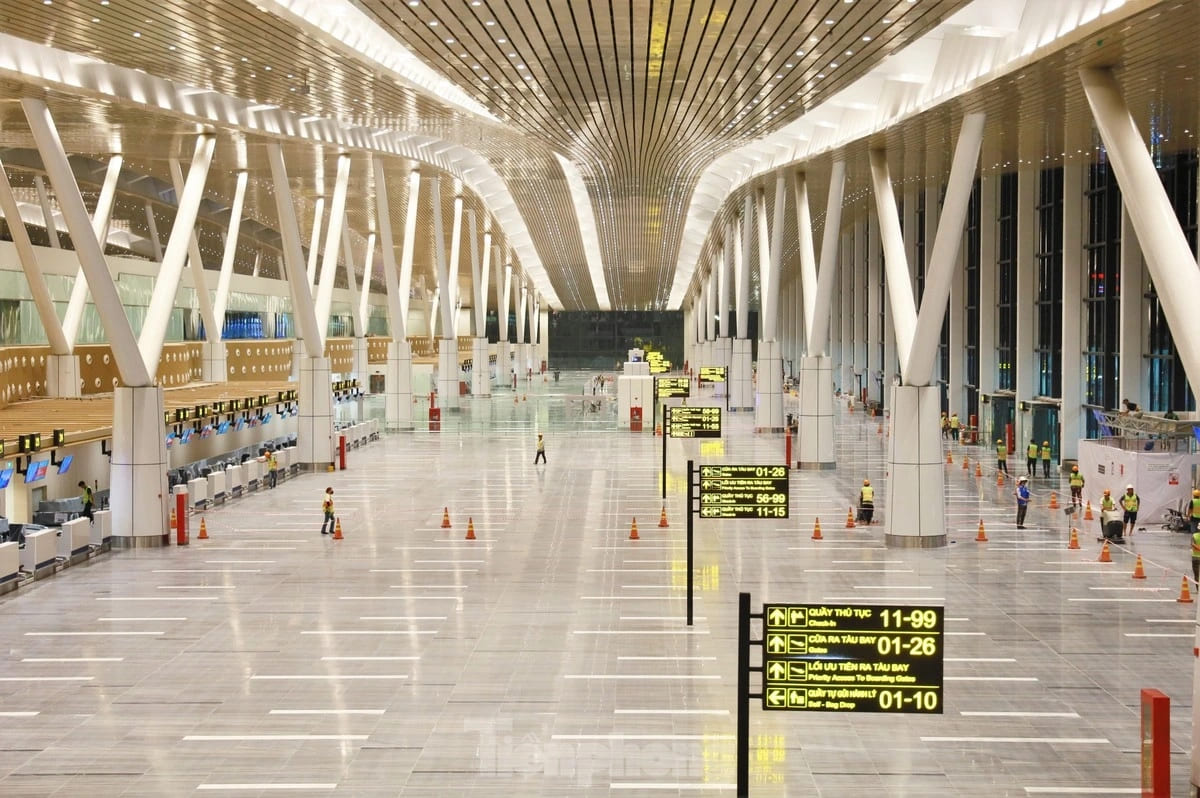
Tan Son Nhat, Ho Chi Minh City
Beat the immigration queue at Tan Son Nhat Airport. Our team escorts you through priority lanes — arrival or departure done in under 30 minutes.

Nha Trang, Vietnam
Priority immigration clearance at Cam Ranh International Airport. Quick entry to Nha Trang.
Da Nang, Vietnam
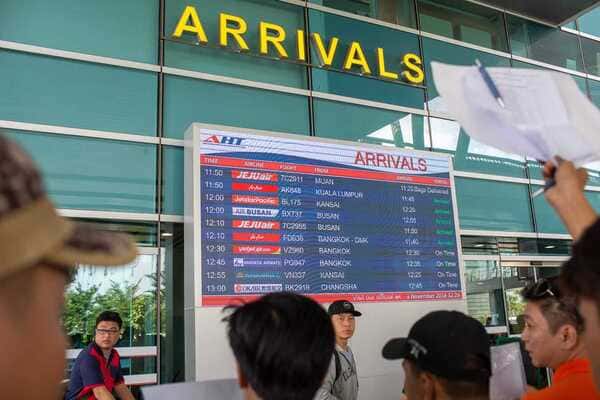
Priority immigration clearance at Da Nang International Airport. Skip the queue and clear immigration quickly.

Phu Quoc, Vietnam
Priority immigration clearance at Phu Quoc International Airport. Fast entry to paradise island.