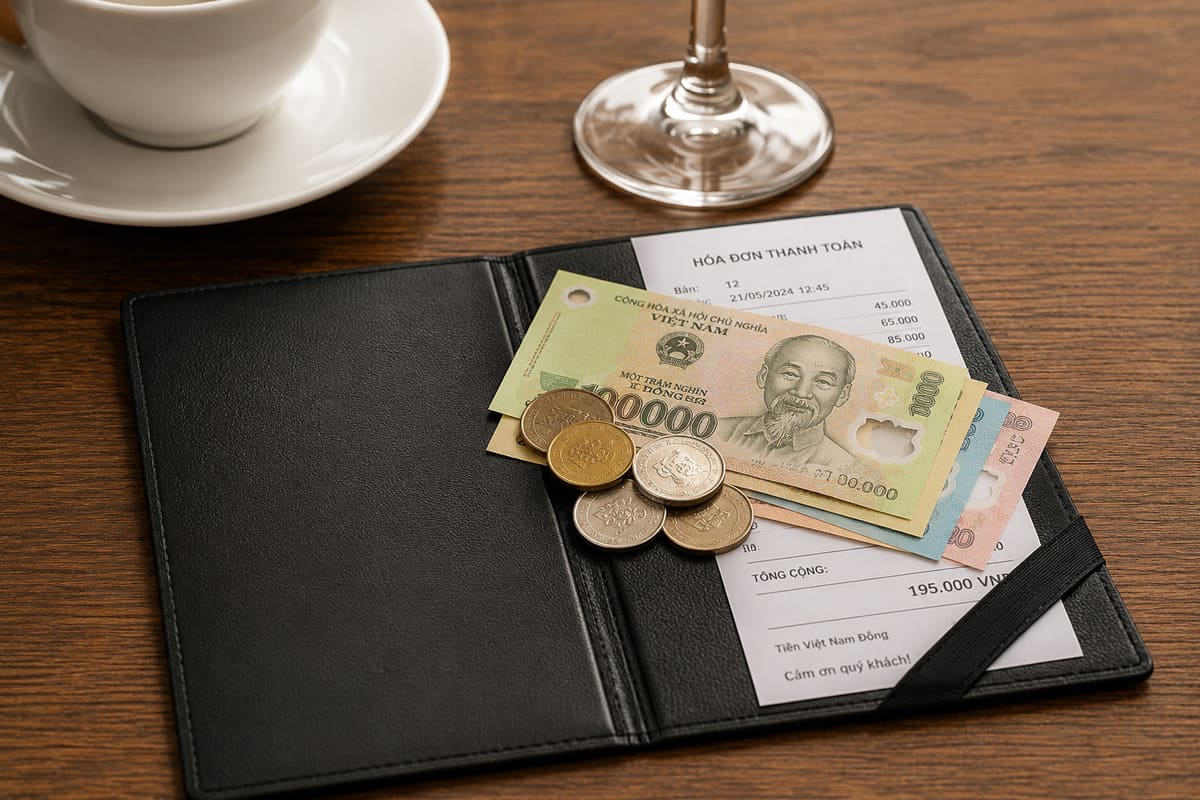
Handing over a crisp US dollar might feel generous, but in Vietnam, it often leaves service workers struggling with a terrible exchange rate. Travelers constantly worry about insulting locals by under-tipping or awkwardly over-tipping for basic street food. You need to know exactly when to pass the 50,000 VND note. Here is how it works.
Tipping is not traditionally customary or mandatory in Vietnam but is increasingly appreciated, particularly in tourist-centric areas like Ho Chi Minh City and Hanoi. For many services, a tip is a bonus for exceptional service rather than an expectation. High-end establishments often include a service charge, negating the need for an additional tip.
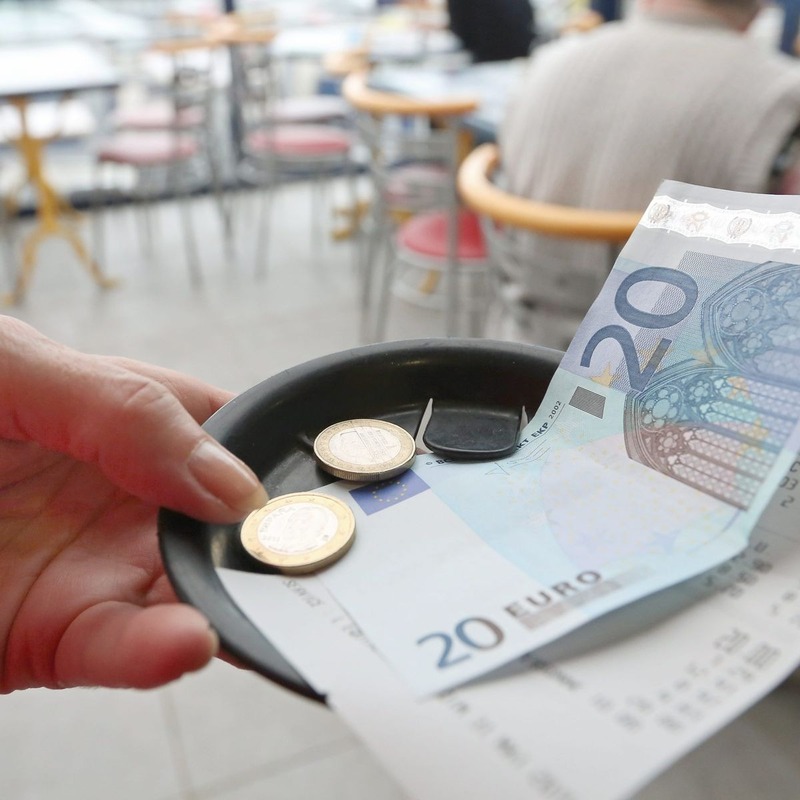
When you leave the urban centers for rural provinces, the expectation drops entirely. Tipping culture arrived with international tourism, meaning service workers in Ha Giang or the deep Mekong Delta rarely expect a cash bonus. Instead, standard wages cover the transaction. Knowing when to hand over cash requires reading the room and checking your receipt.
| Service Sector | Tipping Expectation | Recommended Amount (VND) | Notes |
|---|---|---|---|
| Restaurants (high-end) | Expected if no service charge | 5-10% of total bill | Check receipt for a 5% "Phí Phục Vụ" fee before adding cash. |
| Restaurants (local/street food) | Not expected | 0 - 20,000 VND ($0.79) | Leaving small pocket change is fine, but leaving nothing is normal. |
| Hotels (porters/housekeeping) | Appreciated | 20,000 - 50,000 VND ($0.79 - $1.97) | Leave cash on the pillow for housekeeping each morning. |
| Tour Guides (full-day) | Expected | 100,000 - 200,000 VND ($3.94 - $7.87) | Hand physical cash directly to the guide at the end of the day. |
| Taxis/Grab Drivers | Not expected but welcome | Round up to nearest 10,000 VND | Locals rarely use the in-app tipping feature. |
| Spas/Massage Therapists | Expected | 50,000 - 100,000 VND ($1.97 - $3.94) | Give cash directly to the therapist, not the front reception desk. |
No, it is generally not considered rude to not leave a tip in Vietnam. Unlike some Western countries, tipping is not an ingrained cultural expectation. Service workers do not rely on tips for their primary income. However, leaving a small gratuity of 20,000 VND ($0.79) for excellent service is highly appreciated.
You will not face aggressive stares or chase-downs in the street if you pay the exact bill and walk away. The base price listed on a menu or a meter is the final price. Refusing to tip only crosses into bad etiquette when you hire a specialized personal service, like a private driver for a 12-hour excursion, and leave them with exactly zero extra compensation after a grueling day on National Route 1A.
.jpg)
Tipping is becoming more common for services rendered by tour guides, spa therapists, drivers for private tours, and hotel staff like porters or housekeepers. In higher-end restaurants catering to tourists near Hoan Kiem Lake or Da Nang, a small gratuity beyond any included service charge is also increasingly accepted.
Private guides spend hours managing logistics and translating complex historical contexts at sites like the Cu Chi Tunnels or the Imperial City in Hue. Because they act as your primary cultural liaison, handing over 100,000 to 200,000 VND ($3.94 to $7.87) per person for a full-day tour is standard practice. On overnight Halong Bay cruises, tipping works differently.
Boat crews typically pool their tips in a wooden box kept at the reception desk. Dropping 250,000 VND ($9.84) into this box at checkout ensures the cook, deckhands, and waiters all receive a cut.
%20(1).jpg)
In Hanoi’s Old Quarter, narrow tube houses dominate the architecture, meaning elevators are rare. When a porter carries your 20-kilogram suitcase up four flights of steep wooden stairs, a 50,000 VND ($1.97) note is highly justified. Housekeeping staff in five-star coastal resorts like those in Phu Quoc appreciate a daily tip of 20,000 to 50,000 VND left clearly on the nightstand. Leaving the money at the end of a long stay often means the staff member who cleaned your room for the first three days gets nothing, as shift schedules rotate.
%20(1).jpg)
Massage therapists perform physically demanding labor, and their base salaries are notoriously low. For a standard 60-minute foot or body massage in Da Nang or Ho Chi Minh City, tip the therapist 50,000 to 100,000 VND ($1.97 to $3.94). Hand this money directly to the person who treated you as you leave the treatment room. Do not hand the cash to the manager at the front desk, as it rarely trickles down to the specific employee who performed the service.
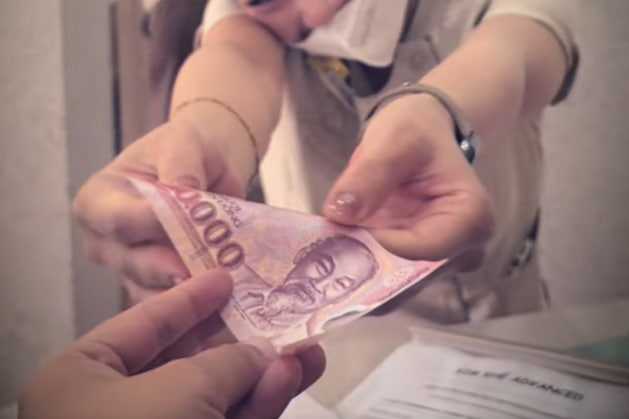
50,000 VND, equivalent to approximately 2 US dollars, is generally a generous tip for minor services in Vietnam. A bellhop, short-trip taxi driver, or hotel porter would highly appreciate this amount. In restaurants without an included service charge, it serves as a suitable extra gratuity for exceptional table service.
This specific red polymer note hits the sweet spot for everyday travel interactions. It represents enough purchasing power to buy a strong iced coffee or a bowl of pho, making it a tangible, useful reward for the recipient. Dropping lower denominations, like a 5,000 VND coin equivalent, feels dismissive rather than generous.
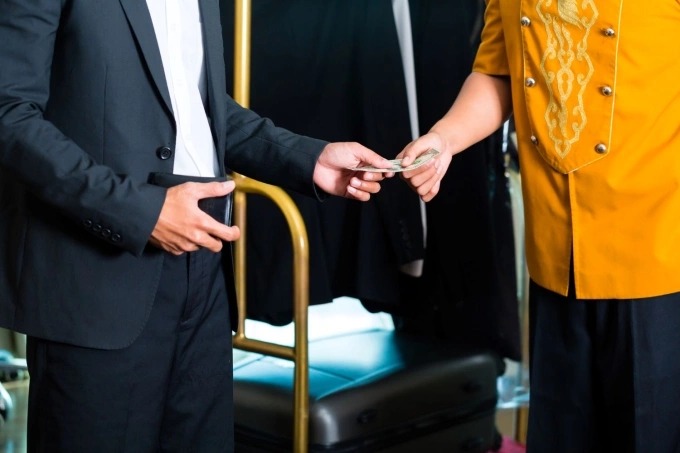
A service charge in Vietnamese restaurants, typically around 5-10%, is an additional fee automatically added to the bill by the establishment. It is intended to cover operational costs or distribute among staff. When present, it generally indicates that further tipping is not explicitly required, as staff compensation is partially addressed.
You will often see this listed at the bottom of a computerized receipt as "5% Phí Phục Vụ" alongside the standard 8% or 10% VAT. High-end steakhouses in District 1 of Ho Chi Minh City universally apply this model. Because this fee is legally mandated to go toward staff welfare, you have fulfilled your financial obligation the moment you pay the total.
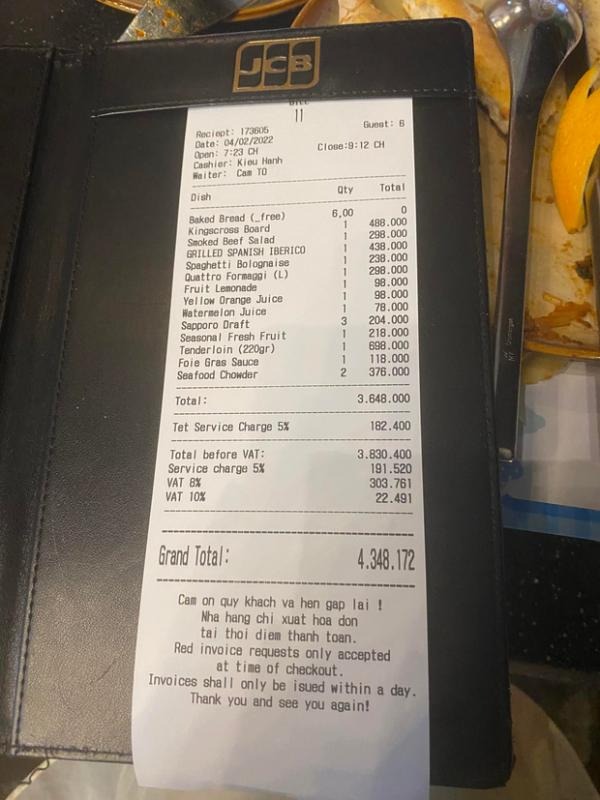
No. If a service charge is already included in your bill, it is generally not necessary to leave an additional tip. This charge is intended to cover staff remuneration and service provision, so further gratuity is not expected.
If a particular waiter memorized complicated dietary restrictions or managed a massive group order flawlessly, leaving an extra 50,000 VND ($1.97) in the leather bill folder is a polite gesture. However, you should never feel pressured to calculate another 15% on top of an existing service fee.
.jpg)
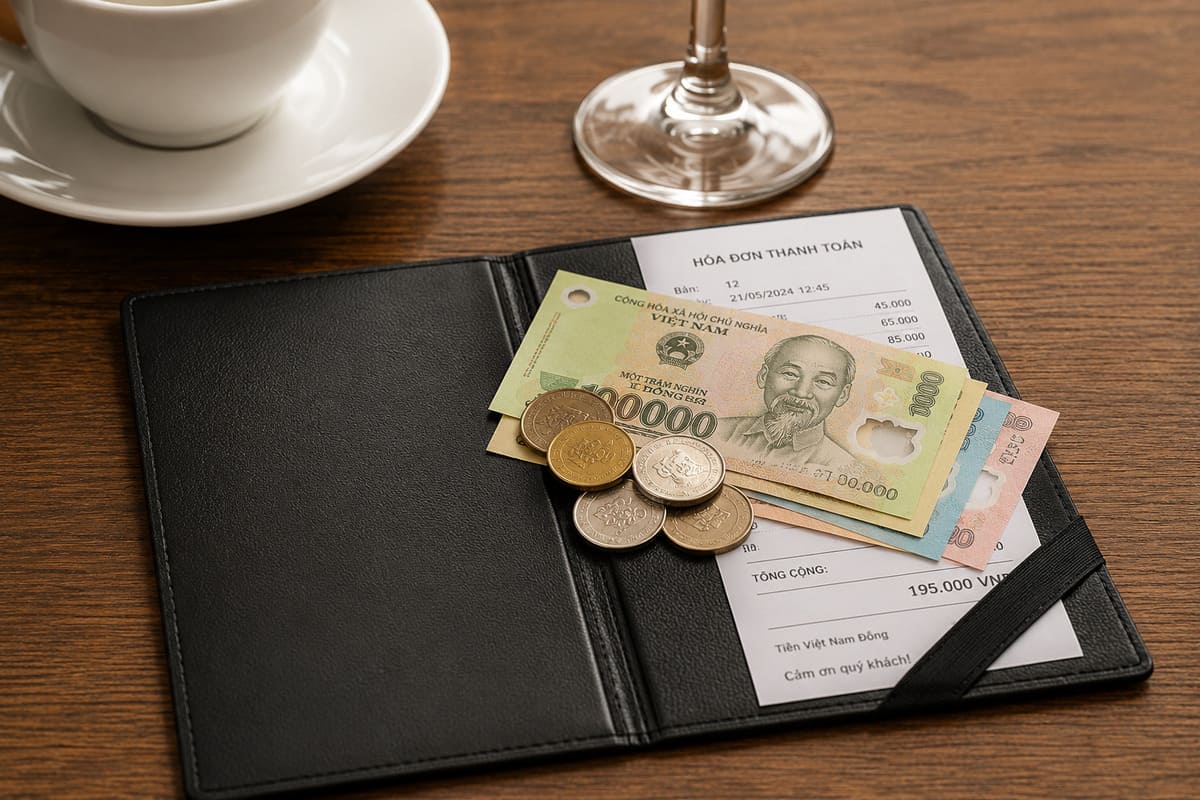
The preferred currency for tipping in Vietnam is the Vietnamese Dong (VND). While some tourist-oriented businesses might accept US Dollars, it is more convenient and respectful to tip in local currency. Ensure your notes are clean and of smaller denominations to prevent terrible exchange rates.
Passing off single US dollar bills creates a burden for the recipient. Local banks and gold shops strictly refuse to exchange small or slightly torn foreign notes. By tipping in USD, you force a worker to stockpile foreign cash until they have enough to justify a trip to an exchange counter, where they will receive a poor rate for low-denomination bills.
📌 Insider note:
Be careful not to mix up the blue-colored 20,000 VND ($0.79) and 500,000 VND ($19.69) bills when handing out tips, as they look surprisingly similar in low light.
Discretion rules the interaction. Flaunting cash makes both parties uncomfortable. Fold the polymer note neatly in half before handing it over.
In Vietnamese culture, presenting items with both hands demonstrates deep respect. When handing the tip to an older driver or a senior tour guide, use both hands and offer a slight nod of the head. This turns the exchange from a simple financial transaction into a genuine acknowledgment of their effort.
.jpg)
Keep your words simple and direct. Use the phrase "Gửi em" (gu-ee em) if the service worker is clearly younger than you, or "Gửi anh/chị" (gu-ee ahn/chee) if they are older or roughly your age. This translates roughly to "I send this to you."
You can also simply say "Cảm ơn" (gahm uhn), meaning thank you. Maintain brief eye contact to confirm the transaction is finished, then walk away so the worker does not feel obligated to bow or repeatedly thank you.
Service workers in Vietnam sometimes refuse a tip on the first offer out of ingrained politeness. This initial rejection does not mean they are insulted.
If they push the money back, smile, hold out the note again, and say "Cho em" or "Cho anh" (for you). If they aggressively refuse a second time, gracefully put the money back in your wallet. Pushing cash onto someone who genuinely does not want it causes public embarrassment.
.jpg)
You pay for anticipation. A driver who notices you sweating in the back seat and quietly adjusts the air conditioning while offering a sealed bottle of cold water is providing exceptional service. A waiter who intercepts a plate of food to remove peanuts after hearing you mention an allergy deserves a financial reward.
In a country where basic service is often fast but highly transactional, workers who pause to personalize the experience stand out. Dropping a 100,000 VND ($3.94) tip for these moments directly encourages proactive hospitality.
%20(1).jpg)
Geography dictates generosity. In Hoi An’s lantern-lit Ancient Town, tipping is completely normalized by decades of heavy international foot traffic. Workers here understand the concept and will accept cash fluidly.
However, if you rent a motorbike and drive out to a remote homestay in the Mekong Delta near Can Tho, attempting to hand the family matriarch a cash tip after dinner might confuse or offend her. In rural settings, expressing gratitude by purchasing a large basket of local fruit or paying full price for their homemade goods functions far better than leaving a tip on the table.
ảnh
Traditional metered taxis like Vinasun or Mai Linh appreciate you leaving the change. If a ride from Tan Son Nhat Airport to District 1 costs 185,000 VND, handing the driver a 200,000 VND note and waving off the 15,000 VND change is the standard local move. Do not ask a driver to break a 500,000 VND bill for a 40,000 VND ride and then demand exact change; keep smaller notes ready.
6%20(1).jpg)
📌 Insider note:
The Grab app has a built-in tipping feature, but most locals do not use it to tip their drivers, preferring to round up the cash fare or hand over a physical 10,000 VND note instead.
Do not tip street food vendors. When you sit down on a plastic stool at a famous spot like Madam Khanh in Hoi An for a banh mi, you pay exactly the listed price. Handing over extra cash disrupts their fast-paced coin sorting process.
Vendors pride themselves on fast, accurate transactions. If your bowl of pho costs 45,000 VND, handing over a 50,000 VND note and leaving the 5,000 VND coin equivalent on the table is acceptable, but purposefully handing them a large bill and saying "keep the change" is entirely unnecessary.
8.jpg)
High-end cocktail bars in Hanoi apply the standard 5-10% service charge to your tab. For casual bia hoi (fresh beer) joints on the street, no tipping is required. The rules change dramatically during Tet Nguyen Dan, the Lunar New Year.
During this holiday, giving "lì xì" (lucky money) in red envelopes is a major cultural pillar. Leaving a 50,000 VND note in a red envelope for a waiter or hotel receptionist working through the national holiday earns you immense respect.
📌 Insider note:
At some Vietnamese BBQ restaurants, there is a dedicated "beer girl" for a specific brand who refills drinks and ice; it is customary to tip them 100,000-200,000 VND at the end of the night.
Full-day tour guides in Vietnam expect between 100,000 and 200,000 VND ($3.94 to $7.87) per person. For multi-day trips, budget 250,000 VND ($9.84) per day. Hand the cash directly to your guide at the end of the itinerary rather than giving it to the driver.
A casual street food meal like pho costs between 30,000 and 50,000 VND ($1.18 to $1.97). Mid-range sit-down restaurants charge roughly 150,000 to 300,000 VND ($5.90 to $11.81) per person. Fine dining establishments in major cities easily exceed 1,000,000 VND ($39.37) for a multi-course dinner.
.jpg)
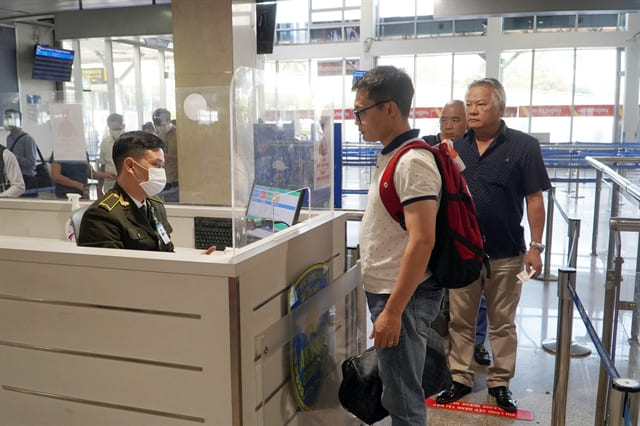
You should never tip customs officials or airport staff in Vietnam. Paying extra cash at immigration counters to speed up a Visa on Arrival process contributes to corruption. Pay only the official stamping fee of $25 USD for a single-entry visa, and refuse any demands for unofficial gratuities.
Vietnam Airlines flight attendants do not expect, nor are they permitted to accept, cash tips from passengers. Attempting to tip cabin crew violates airline policy and creates an awkward situation. If you receive exceptional service on your flight, write a positive review mentioning the attendant's name instead.
Purchase a small item at a convenience store like Circle K or WinMart using a 500,000 VND ($19.69) note to break it. You can also ask hotel reception desks to exchange large polymer notes for smaller 20,000 or 50,000 VND bills specifically to prepare your daily tipping budget.
CTA TA
Best visited during dry season (November to April) for ideal weather.
Book accommodations in advance during peak travel season.
Carry local currency (Vietnamese Dong) for markets and small vendors.
Respect local customs and dress modestly when visiting temples.







Hanoi, Vietnam
Walk past the immigration queue at Noi Bai Airport. A dedicated Sondax escort guides you through priority lanes — typically done in under 20 minutes.
Ho Chi Minh City, Vietnam
Beat the immigration queue at Tan Son Nhat Airport. Our team escorts you through priority lanes — arrival or departure done in under 30 minutes.

Nha Trang, Vietnam
Priority immigration clearance at Cam Ranh International Airport. Quick entry to Nha Trang.
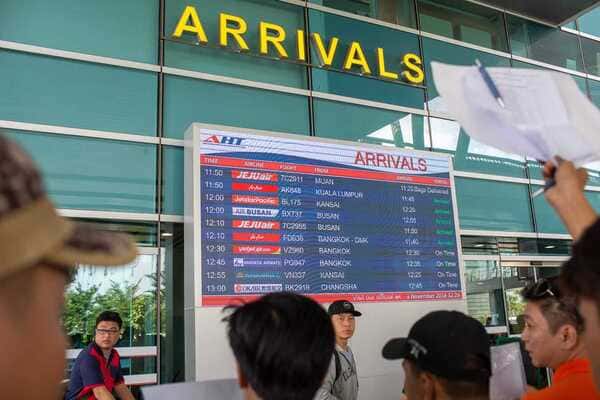
Da Nang, Vietnam
Priority immigration clearance at Da Nang International Airport. Skip the queue and clear immigration quickly.

Phu Quoc, Vietnam
Priority immigration clearance at Phu Quoc International Airport. Fast entry to paradise island.
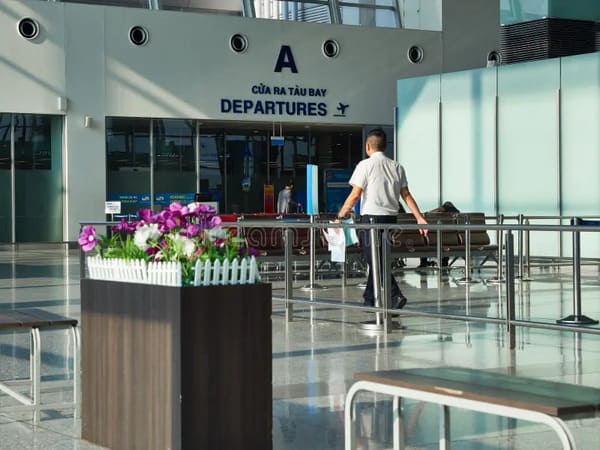
Noi Bai International Airport, Hanoi
Walk past the immigration queue at Noi Bai Airport. A dedicated Sondax escort guides you through priority lanes - typically done in under 20 minutes.
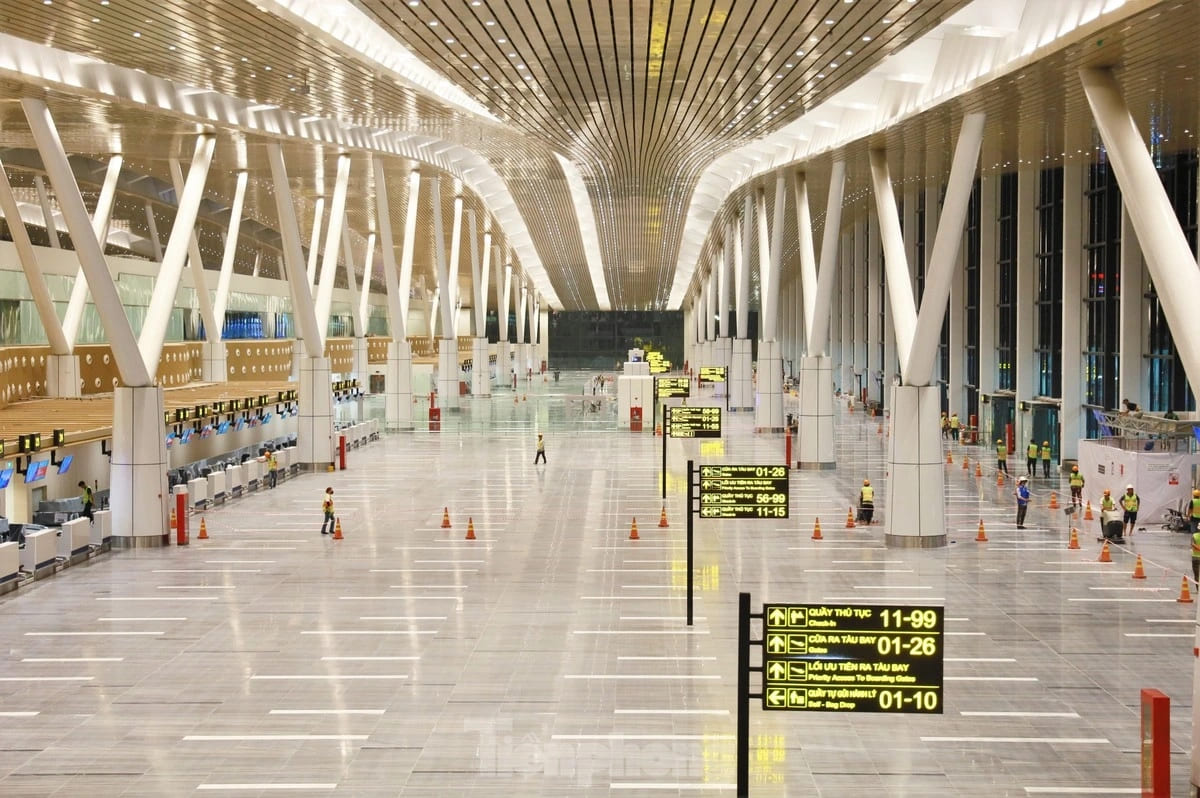
Tan Son Nhat, Ho Chi Minh City
Beat the immigration queue at Tan Son Nhat Airport. Our team escorts you through priority lanes — arrival or departure done in under 30 minutes.