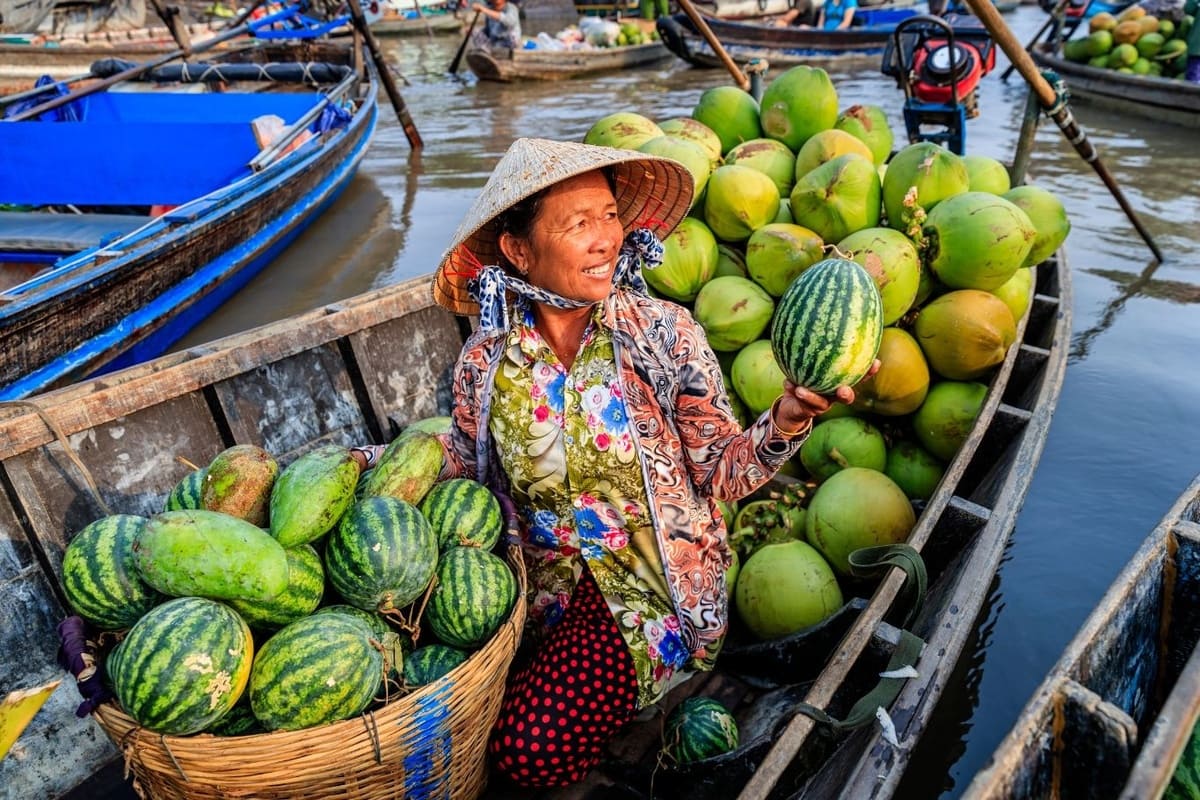
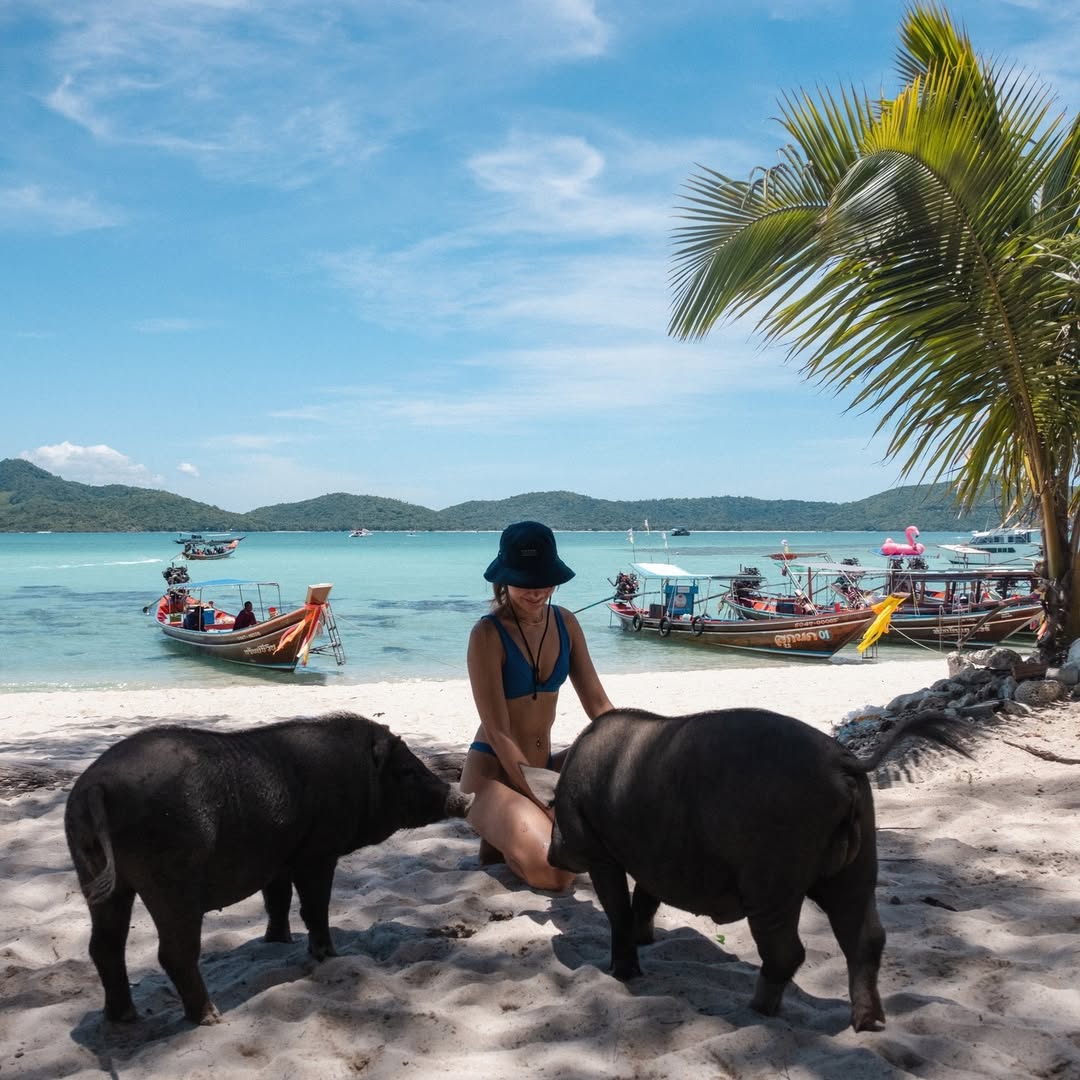
Sometimes, the best part of a journey is finding a place where time stands still. Ben Tre offers that rare, authentic embrace just a short drive from Saigon. Whether it’s exploring guerrilla secrets hidden in the jungle or waking up to the sound of birds in a fruit orchard, we’re sharing the local secrets and practicalities to help you plan an overnight stay that feels less like a "tour" and more like a retreat.
Yes, Ben Tre is absolutely worth visiting for its serene coconut waterways, rustic homestays, and authentic fruit orchards. It offers a relaxing, uncrowded alternative to busier Mekong Delta hubs, perfect for immersive ecotourism and rich cultural exploration.
.jpg)
Choosing the correct Mekong Delta destination depends entirely on your available time and tolerance for heavy tourism. My Tho serves as the primary entry point for mass tour groups arriving from Ho Chi Minh City, resulting in heavy commercialization around the main piers. You will encounter large crowds, highly orchestrated boat trips, and persistent souvenir vendors at nearly every stop.
Can Tho sits much further south and operates as a fully urbanized river metropolis. It requires a significantly longer transit time but rewards you with the massive Cai Rang Floating Market and robust city infrastructure. Ben Tre provides a strategic middle ground, located just across the river from My Tho but feeling completely isolated. You gain access to dense, authentic agricultural zones without the extreme drive times required to reach Can Tho.
.jpg)
| Criteria | Ben Tre | My Tho | Can Tho |
|---|---|---|---|
| Distance from HCMC | 86 km (2 hours) | 70 km (1.5 hours) | 170 km (3.5 hours) |
| Core Vibe | Uncrowded, authentic coconut groves. | Heavily touristed, commercialized piers. | Urbanized, large-scale river commerce. |
| Crowds | Low to moderate | Very high | Moderate to high |
| Best for | Overnight slow travel | Immediate day-trip access | Floating market tours |
Ben Tre is renowned as the 'Kingdom of Coconuts', famous for its vast coconut groves, Keo Dua (coconut candy) production, tranquil canal boat tours, and its historical significance as the 'General Uprising Land' during the Vietnam War. This agricultural dominance defines the entire local economy.
.jpg)
During the mid-20th century, a highly unusual syncretic sect known as the Coconut Religion emerged on Con Phung (Phoenix Island) under the leadership of Ong Dao Dua. You can still visit the bizarre, deteriorating architectural remnants of this pacifist movement, including the nine-dragon pillars and a replica of the Apollo spacecraft. The sect reportedly mandated a diet consisting entirely of coconuts and called for the unification of Vietnam through peaceful means.
Beyond this unique sect, Ben Tre features striking examples of architectural fusion resulting from colonial and regional influences. The French-colonial Gothic La Ma Church stands as a massive, imposing structure surrounded by rural farmland, featuring tall spires and imported European materials. In stark contrast, the 19th-century Van Phuoc Pagoda displays elaborate Buddhist architecture, highlighted by a massive, gold-painted Maitreya Buddha statue that dominates the local skyline.
.jpg)
In 1960, Ben Tre became the epicenter of the "General Uprising," a strategic military campaign that shifted the momentum of the Vietnam War in the Mekong Delta. The movement began in Dong Khoi Village, located in the Mo Cay district, under the leadership of local resistance fighters. Visiting this area provides a distinct historical perspective completely separated from the standard agricultural tours.
You can observe the physical evidence of this conflict by visiting the Dong Khoi Guerrilla Village relic site. The location preserves the original trench systems, basic command posts, and makeshift weapon arsenals utilized by the local forces. Furthermore, you will find historical documentation detailing how the local population utilized the dense nipa palm forests as natural defensive barriers against modern military equipment.
.jpg)
📌 Expert Insight:
Unlike standard delta tours, Ben Tre’s Dong Khoi Village allows foreigners to see the actual remnants of clandestine guerrilla hideouts and traps used during the Vietnam War.
Ben Tre is located 86 kilometers southwest of Ho Chi Minh City. You can reach it in about 2 hours by riding a local coach, hiring a private car, or driving a motorbike via National Highway 60 and the Rạch Miễu Bridge. Independent navigation requires comfort with heavy traffic.
Taking a regional coach stands as the most cost-effective and reliable method for independent travelers. You must head to the Mien Tay Bus Station (Ben Xe Mien Tay) located in District 6 of Ho Chi Minh City to purchase your tickets. The route follows the Ho Chi Minh City - Trung Luong Expressway, completely bypassing the congested suburban traffic of Long An province.
.jpg)
The journey drastically shifts once the bus crosses the impressive Rach Mieu Bridge, an Australian-funded cable-stayed bridge spanning the Tien River. Several reputable bus companies run this specific route daily. You should book tickets directly at the counter or call ahead to reserve a seat, especially during public holidays like Tet, when domestic travel volume spikes massively.
| Criteria | Thao Chau | Thinh Phat | Minh Tam |
|---|---|---|---|
| Time to destination | 2 hours | 2 hours | 2.5 hours |
| Frequency | Every 60 mins | Every 60 mins | Every 30 mins |
| Cost | ~$4-6 USD | ~$4-6 USD | ~$4-6 USD |
| Contact Numbers | 0903 337 600 | 0913 965 050 | 1900 088810 |
.jpg)
📌 Expert Insight:
Beware the 'Last Bus Alert'. Bus operations generally run from 4:30 AM to 7:30 PM. If you miss the last bus, a private taxi back to HCMC will cost upwards of $60–$80 USD (1.5M - 2M VND).
The best time to visit Ben Tre is during the dry season from December to April for pleasant 26°C weather. Alternatively, visit between June and August for the peak fruit harvest season in the local orchards to secure the freshest tropical produce directly from the source.
The floating water season dictates the agricultural and navigational rhythms of the entire Mekong Delta region. From September through December, the Mekong River swells from upstream monsoons, causing a massive influx of freshwater across the Ben Tre waterways. Consequently, this high-water period results in higher water levels for scenic boat trips, allowing small sampans to navigate deeply into remote, narrow canals that dry up entirely during other months.
Traveling during this specific season grants you a unique perspective of local river life. You will witness farmers harvesting aquatic vegetables like water lilies and Dien Dien flowers directly from small wooden boats. Furthermore, the local diet shifts dramatically as seasonal fish species migrate into the flooded plains, offering specific regional dishes you cannot order at any other time of the year.
.jpg)
Top attractions in Ben Tre include taking boat tours through the coconut canals, exploring the 6,000-hectare Vam Ho Bird Sanctuary, visiting the historical Nguyen Dinh Chieu Mausoleum, and picking fresh fruit at Cho Lach and Cai Mon villages.
The absolute core of the Ben Tre experience involves navigating the labyrinth of narrow, brown-water canals branching off the main river. You will initially board a larger motorboat at Hung Vuong Pier to cross the wide, turbulent stretches of the Tien River. Upon reaching the smaller islets, you transfer to traditional hand-rowed sampans designed specifically to glide through the dense nipa palm forests.
.jpg)
Local rowers maneuver these small wooden vessels through exceptionally tight waterways, allowing you to observe the complex root systems of the water coconuts. Many of these tours incorporate predetermined stops at traditional workshops located along the riverbanks. You can watch local workers extract raw coconut meat, press it for milk, and boil it down into the famous Keo Dua (coconut candy) over open wood fires.
Located in Ba Tri District, roughly 35 kilometers from the center of Ben Tre City, the Vam Ho Bird Sanctuary functions as a critical protected ecological zone. The environment consists predominantly of dense mangrove forests, date palms, and a sprawling network of interior waterways. This geographical isolation creates an ideal breeding ground for massive colonies of wild birds.
You will observe thousands of storks, night herons, and egrets nesting directly above the water. The optimal viewing window occurs precisely at dusk, usually around 5:00 PM, when the flocks return simultaneously from their daily foraging flights across the delta. You must navigate the sanctuary silently via small rowboats to avoid disturbing the nesting sites.
.jpg)
📌 Expert Insight:
Vam Ho is a massive 6,000-hectare ecosystem often overlooked by day-trippers. It is perfect for birdwatchers looking for quiet, undisturbed nature away from the primary tourist routes.
Nguyen Dinh Chieu was a prominent 19th-century blind poet, teacher, and patriot who utilized literature as a tool for anti-colonial resistance against the French. His mausoleum, situated in An Duc commune, stands as a massive cultural landmark recognizing his steadfast moral rectitude. The complex features traditional Vietnamese temple architecture, extensive gardens, and a large memorial stele.
Visiting this tomb provides a rare look at Vietnamese literary history, distinctly separated from the military-focused monuments found elsewhere in the country. Inside the primary exhibition hall, you can view original 19th-century handwritten poems and historical artifacts detailing his life. Local students frequently visit the site to pay respects before major academic examinations.
.jpg)
The districts of Cho Lach and Cai Mon operate as the primary agricultural suppliers for the entire southern region, particularly concerning ornamental flowers and premium fruits. During the weeks leading up to Tet (Lunar New Year), Cho Lach transforms into a massive, open-air assembly line of yellow apricots, chrysanthemums, and marigolds. You can walk directly through miles of active nurseries observing generational farming techniques.
When entering the specific fruit orchards, you must adhere strictly to local etiquette to avoid offending the farmers. You generally pay a flat entry fee, typically around 50,000 VND to 100,000 VND, which allows you to walk the grounds and eat specific designated fruits. However, you must explicitly ask for permission before touching high-value crops like durian or mangosteen, and pulling roughly on tree branches will result in immediate removal from the property.
.jpg)
Choosing between a day trip and an overnight homestay depends on your schedule, but spending at least one night in Ben Tre is highly recommended to properly experience the authentic Mekong Delta lifestyle. Independent travel requires strict time management.
Executing a successful one-day independent trip from Ho Chi Minh City requires departing no later than 6:30 AM to avoid the massive morning traffic blockades on National Highway 1A. Upon arrival at the Ben Tre bus station by 8:30 AM, you should immediately hire a local taxi to transfer directly to the tourist piers. Book a standard three-hour motorboat and sampan combination tour to maximize your time on the water.
By 12:30 PM, disembark at Con Phung for a rapid lunch of fried elephant ear fish and a brief walking tour of the coconut candy production facilities. You must allocate the hours between 2:00 PM and 4:00 PM for renting a bicycle and riding the narrow concrete paths cutting through the local villages. Ensure you return to the central bus terminal by 4:30 PM to secure your seat back to the city.
.jpg)
An overnight stay drastically alters the pace and quality of your Mekong Delta experience. Day one mirrors the efficiency itinerary but removes the strict afternoon deadline, allowing you to venture deeper into the Ba Tri district to explore the Vam Ho Bird Sanctuary at dusk. You then transit to a remote riverside homestay located deep within the smaller islets, entirely cut off from automotive traffic.
Day two capitalizes on the early morning hours, which represent the most active period in rural Vietnam. You wake at 5:30 AM to join your homestay hosts at the local wet market, observing the chaotic trade of fresh produce and live fish. Spend the remainder of the morning cycling out to the Cho Lach flower village before returning to Ho Chi Minh City after a late lunch.
.jpg)
| Criteria | Standard | Mid-range | Luxury Resort |
|---|---|---|---|
| Cost per Night | ~$43 USD | ~$55-79 USD | ~$150-463 USD |
| Typical Location | City center hotels | Riverside eco-homestays | Private river bends |
| Pros | Accessible, close to ATMs | Immersive, authentic local food | Premium amenities, private docks |
| Cons | Lacks nature access | Mosquitoes, basic plumbing | Isolated from everyday local life |
📌 Expert Insight:
Navigating to remote homestays often requires a pre-booked shuttle or local motorcycle taxi, as Grab app availability is extremely limited outside Ben Tre City.
Dining in Ben Tre revolves heavily around coconut-infused recipes, featuring standout traditional dishes like Com Dua and extreme local delicacies such as coconut worms. The regional cuisine maximizes the utility of every single part of the palm tree.
Com Dua represents the pinnacle of local culinary ingenuity. Cooks hollow out a mature coconut, fill the cavity with high-quality jasmine rice and fresh coconut water, and steam the entire husk for several hours. This slow-cooking process forces the natural oils and sweetness of the shell directly into the grains, resulting in a distinctly fragrant, slightly sticky rice dish commonly served alongside braised pork.
.jpg)
For a lighter option, you must seek out Goi Dua Chuoi Tom. This salad utilizes the tender, crisp upper core of the coconut tree, extracted from the highest point of the trunk just below the fronds. Harvesting this specific core permanently kills the tree, making it an expensive and highly prized ingredient. The crisp core is sliced thinly and mixed directly with steamed pork, river shrimp, and a sharply acidic fish sauce dressing.
.jpg)
For adventurous eaters, Ben Tre offers challenging delicacies deeply tied to its agricultural environment. The Duong Dua, or coconut worm, is a massive, fat larva that bores directly into the trunks of the palm trees. Locals typically serve these grubs completely alive, swimming in a shallow bowl of chili fish sauce. To consume them, you must grasp the wriggling worm by the head with your chopsticks, bite the body off, and chew quickly to experience the rich, milky texture inside.
Another highly specific regional protein is the coconut mouse. Unlike standard field mice found in the rice paddies, these specific rodents live exclusively high up in the palm canopies. Locals hunt them via slingshots or traps, marinate the meat in lemongrass and chili, and grill them over open charcoal fires.
.jpg)
related articles TA
ảnh CTA TA
Best visited during dry season (November to April) for ideal weather.
Book accommodations in advance during peak travel season.
Carry local currency (Vietnamese Dong) for markets and small vendors.
Respect local customs and dress modestly when visiting temples.
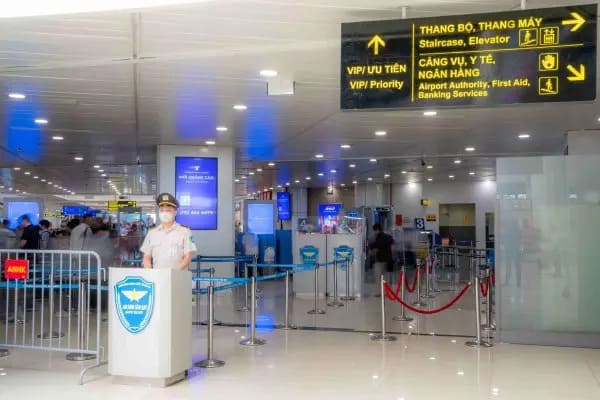
Hanoi, Vietnam
Walk past the immigration queue at Noi Bai Airport. A dedicated Sondax escort guides you through priority lanes — typically done in under 20 minutes.
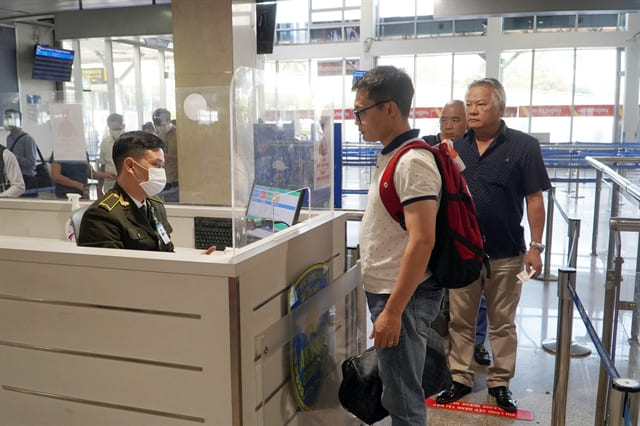
Ho Chi Minh City, Vietnam
Beat the immigration queue at Tan Son Nhat Airport. Our team escorts you through priority lanes — arrival or departure done in under 30 minutes.
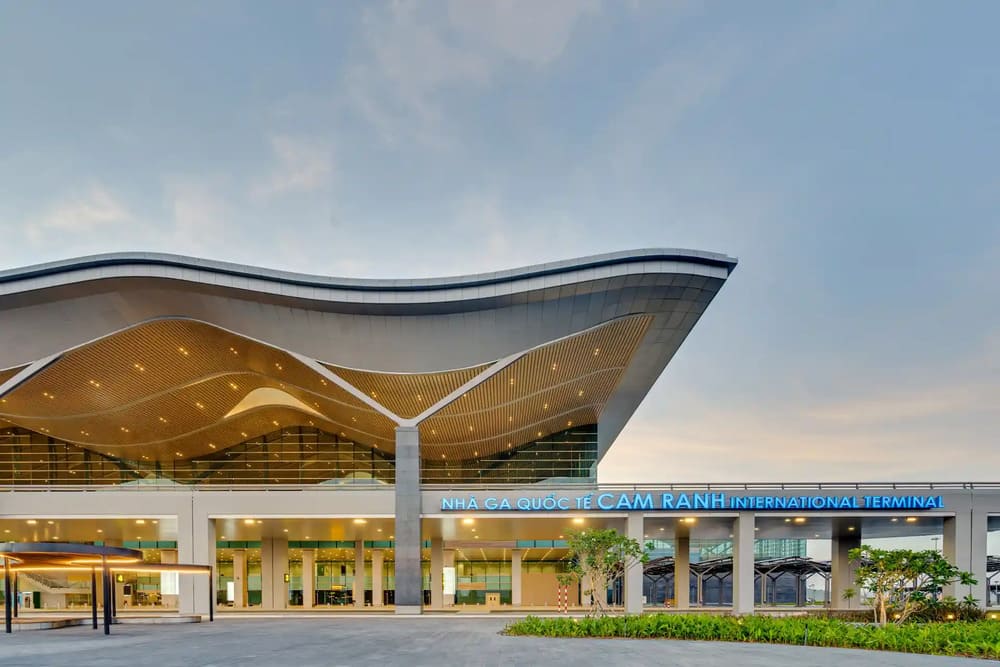
Nha Trang, Vietnam
Priority immigration clearance at Cam Ranh International Airport. Quick entry to Nha Trang.
Da Nang, Vietnam
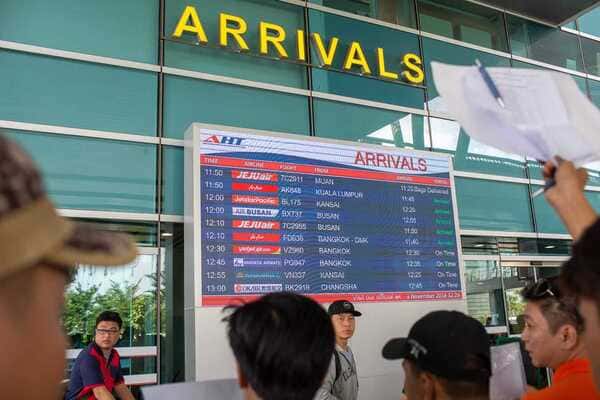
Priority immigration clearance at Da Nang International Airport. Skip the queue and clear immigration quickly.
Phu Quoc, Vietnam
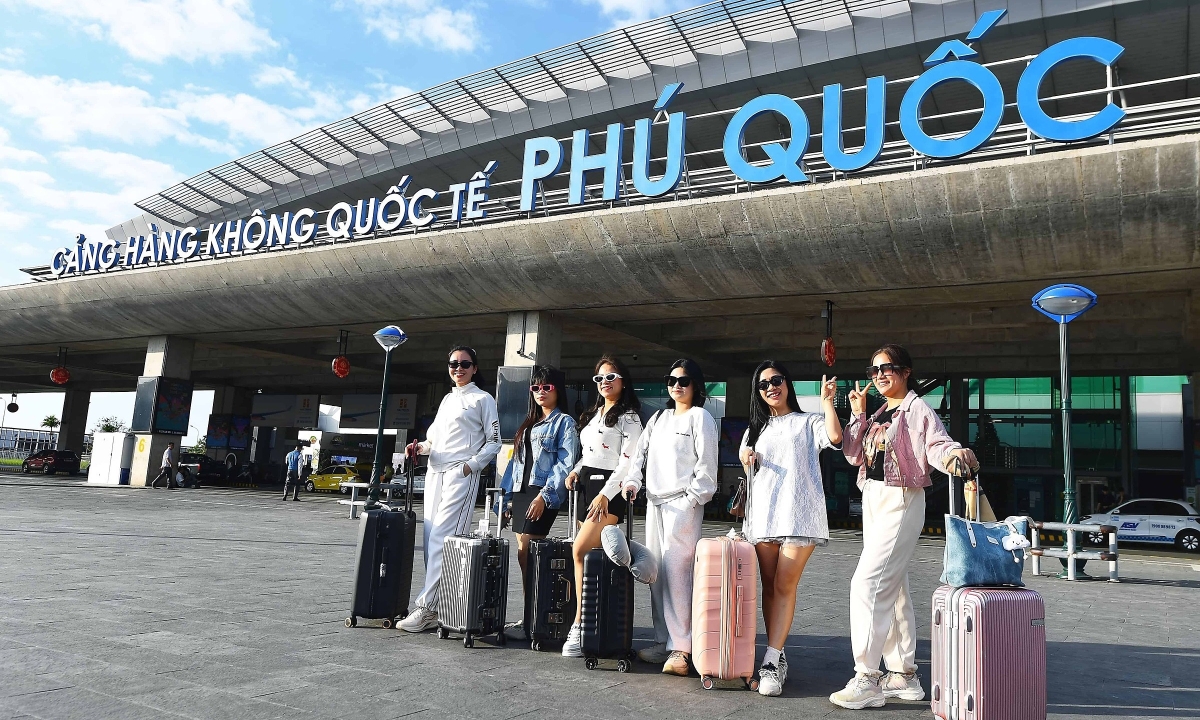
Priority immigration clearance at Phu Quoc International Airport. Fast entry to paradise island.