Planning a trip to Vietnam shouldn't feel like a full-time job. While the visa rules shift and the traffic looks like a video game, navigating this country like a pro is all about having the right "hacks".
Most nationalities require an e-visa to enter Vietnam, costing $25 to $50 USD. Processing takes 3 to 7 working days via the official government portal. British citizens currently enjoy a 45-day visa-free exemption. You must apply early to account for administrative delays.
.jpg)
📌 Expert Insight:
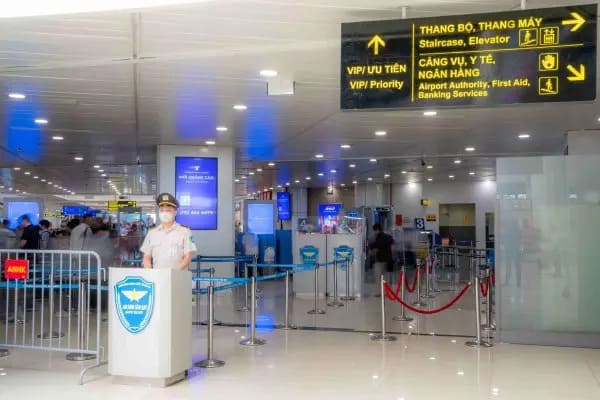
The Airport 'No-Toilet' Rule: Upon landing, proceed immediately to the visa/immigration desk without stopping for the restroom. Queues form instantly and can take up to 3 hours to clear if you fall behind the crowd.
Entering the country requires precision. Ensure your passport maintains at least 6 months of validity beyond your planned departure date. Immigration officials enforce this rule strictly, and airlines will deny boarding if your passport expires sooner. Furthermore, your passport must contain at least two blank pages for entry stamps.
.jpg)
Keep a physical printout of your e-visa inside your passport. Digital copies on your smartphone often cause delays at the immigration counter, especially if airport Wi-Fi fails or your battery dies. The printed document speeds up the verification process significantly.
When filling out the official e-visa application, you must select your exact port of entry. If you designate Noi Bai International Airport in Hanoi but attempt to fly into Tan Son Nhat in Ho Chi Minh City, immigration will deny you entry. Consequently, you must finalize your flight itinerary before submitting your visa paperwork.
.jpg)
The ultimate itinerary follows a north-to-south route: begin with Hanoi's history and a Halong Bay cruise, travel centrally to the Hoi An lantern festival, and conclude in the south with Ho Chi Minh City and Mekong Delta boat tours. Mapping this trajectory maximizes your geographic efficiency.
📌 Expert Insight:
Micro-climate reality check: From December to February, Northern Vietnam experiences real winter with temperatures dropping below 10°C (50°F). Budget hostels lack central heating, so pack heavy layers and warm sleepwear rather than just tropical gear.
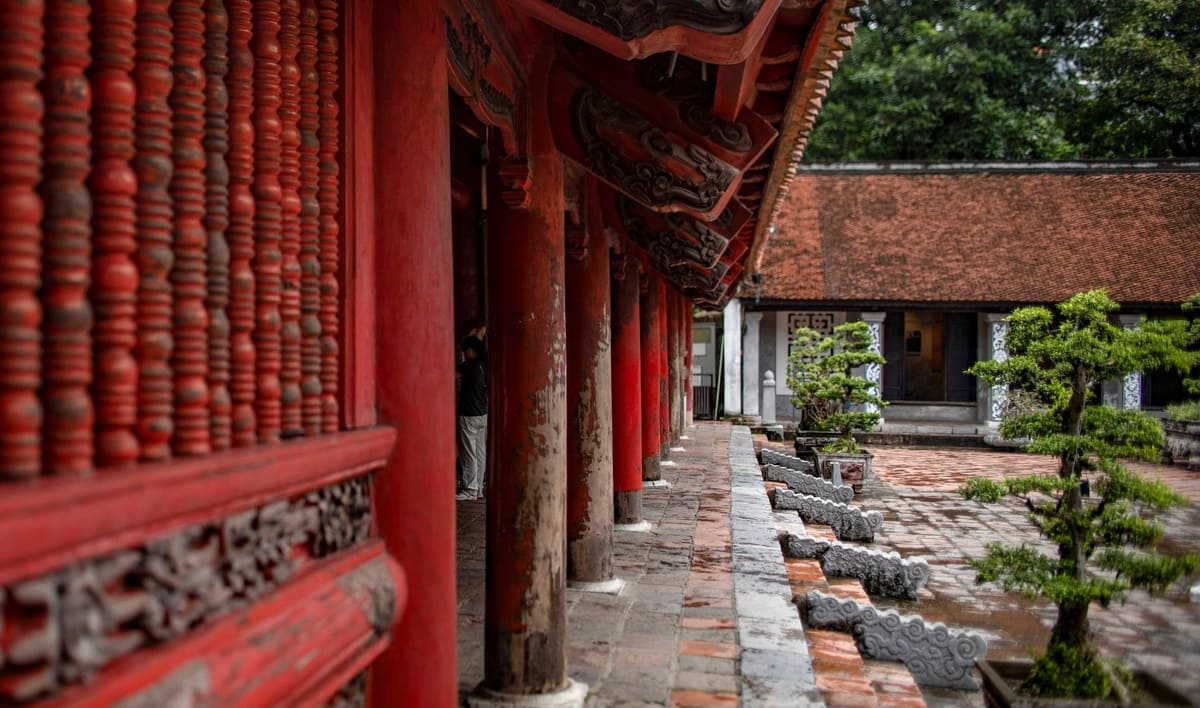
Hanoi operates as the cultural anchor of the north. You should allocate at least two days to explore the Ho Chi Minh Complex and the historic Temple of Literature. These sites require modest clothing, so carry a sarong or wear long trousers. For local navigation, take a cyclo tour through Hanoi's Old Quarter. Negotiate the rate before sitting down to avoid end-of-ride pricing disputes.
.jpg)
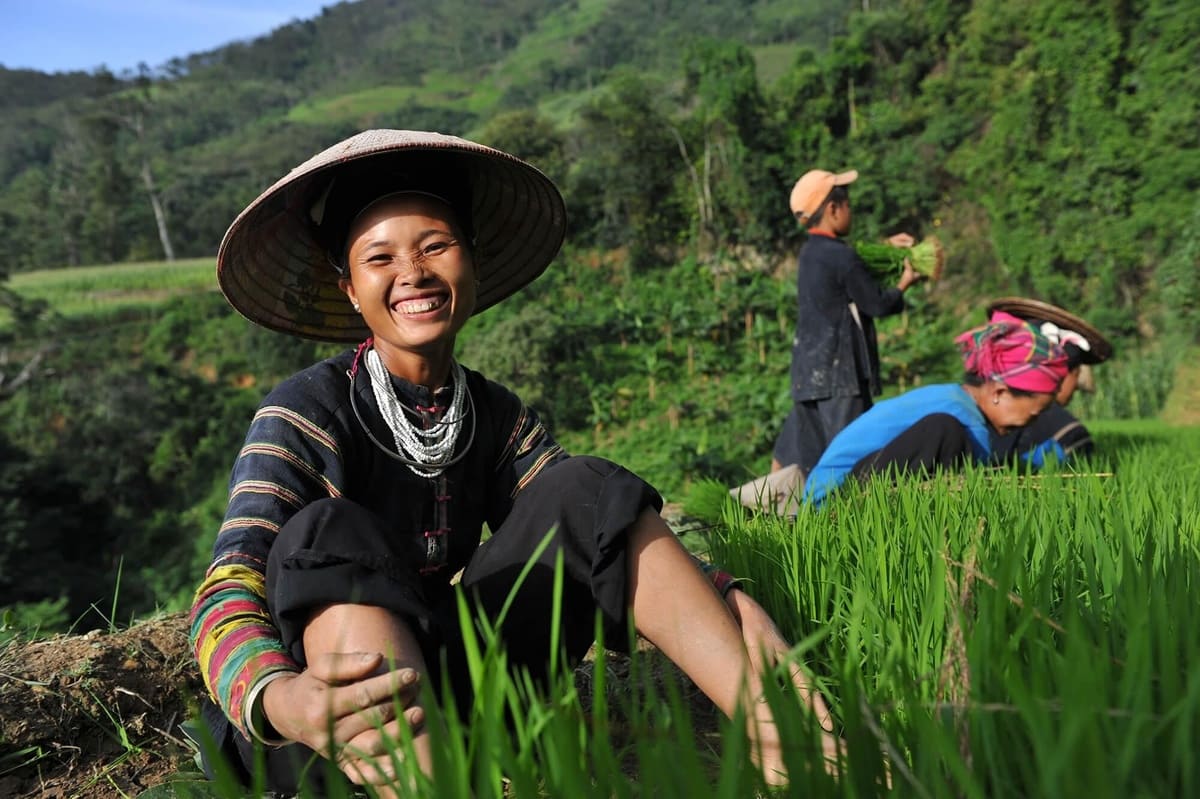
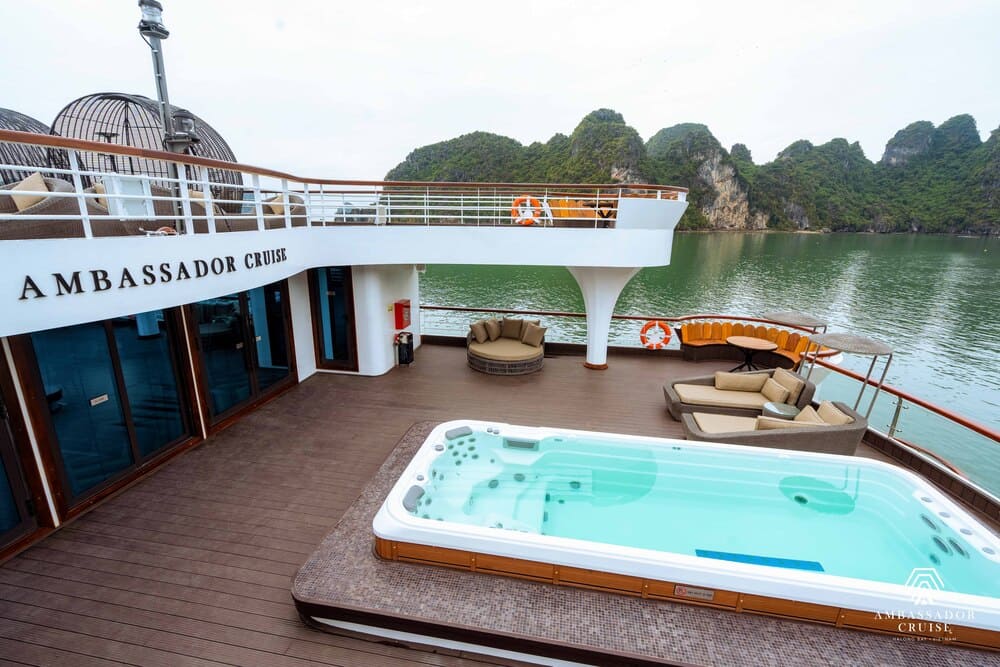
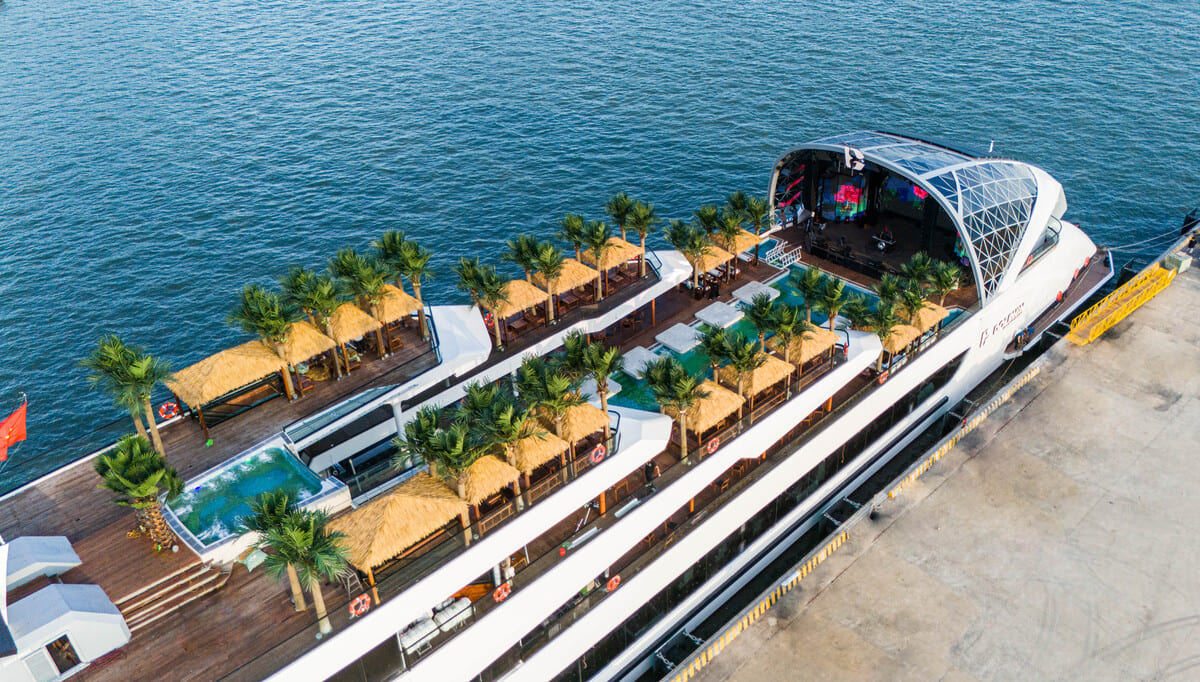
Beyond the capital, Halong Bay remains a mandatory stop. However, booking a cruise out of neighboring Lan Ha Bay offers identical limestone karst scenery with half the boat traffic. If you plan to hike in Sapa, hire a local Hmong guide directly. This practice ensures your money supports the indigenous communities rather than foreign-owned tour agencies.
.jpg)
| Criteria | Hanoi (North) | Ho Chi Minh City (South) |
|---|---|---|
| Vibe | Traditional, historic, distinctly seasonal | Commercial, rapid-paced, permanently tropical |
| Top Attractions | Old Quarter, Hoan Kiem Lake, Temple of Literature | War Remnants Museum, Cu Chi Tunnels, Ben Thanh Market |
| Average daily cost | $45 - $60 USD | $50 - $70 USD |
| Best time to visit | October to April | December to April |
Traveling south brings you to the central coast. Hoi An requires two full days, especially if you want bespoke clothing made. The tailoring process involves initial measurements, a first fitting, and final adjustments over 48 hours. South of the city, My Son Sanctuary offers ancient Cham ruins best visited at sunrise to avoid extreme midday heat.
.jpg)
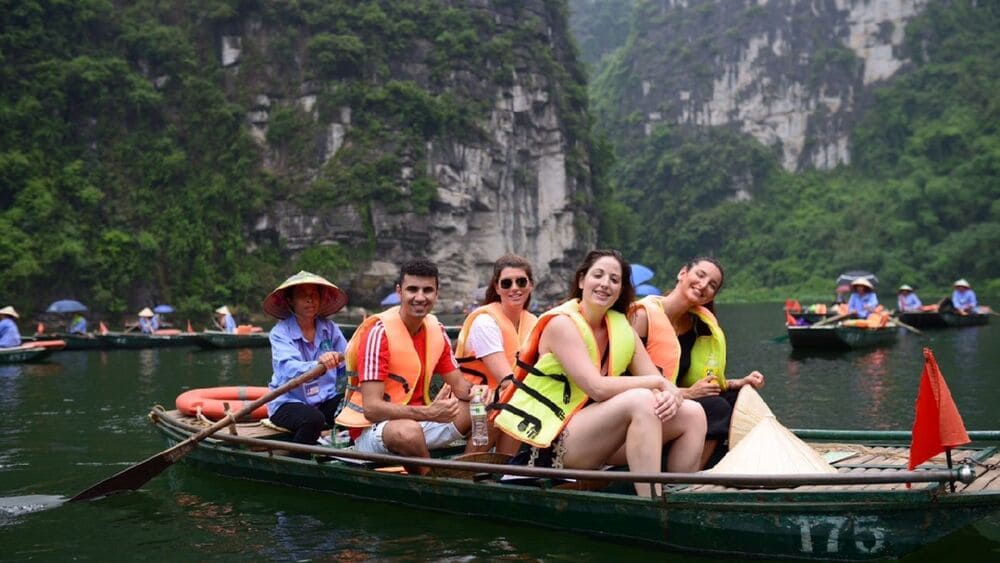
Further south, the Mekong Delta requires early wake-up calls. Visit the Cai Rang floating market at dawn for optimal fruit trading. Arriving after 8:00 AM means you will mostly see tourist boats rather than authentic commerce. During your delta transit, experience the Sa Dec flower village and the highly ornate Vinh Trang pagoda to understand regional agricultural and spiritual practices.
.jpg)
Vietnam is highly safe, ranking 7th worldwide in Asia for low crime rates. While violent crime is rare, tourists must stay vigilant against petty theft in crowded cities and minor scams involving rigged traditional taxi meters. Awareness prevents most issues.
.jpg)
| Criteria | Grab App | Traditional Taxis |
|---|---|---|
| Cost (USD) | $1 - $5 per short trip (fixed in app) | Variable based on meter speed |
| Safety features | GPS tracking, driver rating system | Unregulated, relies on driver integrity |
| Haggling requirement | None | High risk of fare disputes |
| Payment methods | Credit card, in-app wallet | Cash only, risk of lacking change |
Transportation scams remain the primary frustration for incoming tourists. Download Grab before you arrive and link an international credit card to avoid carrying large amounts of cash. This prevents the common scenario where drivers claim they do not have change for large banknotes.
.jpg)
Use the GrabBike option for fast, cheap solo travel. Navigating dense traffic in Ho Chi Minh City is significantly faster on two wheels. Drivers provide helmets, which are legally required. Hold onto the back handles rather than the driver, and keep your knees tucked in tightly against passing traffic.
Street theft generally involves drive-by snatching. Leave designer items and expensive tech at home to avoid becoming a pickpocketing target. When checking your phone for directions, step back from the curb and grip the device with both hands. Thieves on motorbikes specialize in grabbing phones from distracted pedestrians near crosswalks.
.jpg)
Water safety dictates your daily habits. Never drink tap water; use bottled water even for brushing your teeth, especially if you have a sensitive stomach. Commercial ice used in high-end bars or established street food vendors is manufactured in purified factories, characterized by its cylindrical shape with a hole in the middle. Avoid crushed block ice in rural areas.
Apply insect repellent containing at least 30% DEET to prevent mosquito-borne illnesses like Dengue Fever. Mosquitoes are most active during dawn and dusk. Spray your ankles and calves thoroughly before dining at outdoor street food stalls. If you feel unwell, local pharmacy chains like Pharmacity stock reliable international medications without requiring prescriptions.
.jpg)
Domestic flights ranging from $30 to $100 USD are best for long distances. For budget travel, sleeper buses cost around $12 per journey, while the Reunification Express train offers a highly scenic route for $10 to $50 USD. Planning ahead guarantees availability.
.jpg)
📌 Expert Insight:
The AC Survival Kit: Always pack sweatpants and a thick hoodie for long-haul buses or trains. Drivers notoriously blast the air conditioning to sub-zero temperatures, regardless of the scorching heat outside.
Overland travel requires specific strategies. Sleeper buses feature three rows of bunk beds. Always request a bottom bunk in the middle row to minimize the physical impact of winding mountain roads and glaring streetlights. Keep your valuable electronics in a small day bag next to your head while you sleep.
.jpg)
For independent exploration, rent a motorbike for $5 to $10 USD per day for adventurous day trips. Ensure your travel insurance covers two-wheeled transit. You must possess an International Driving Permit (IDP) to ride legally. Without one, police traffic stops will result in instant fines and vehicle confiscation.
If time is restricted, book domestic flights early to secure the best route deals. VietJet Air offers ultra-low base fares, but they strictly weigh carry-on baggage. If your bag exceeds the 7kg limit by even a fraction, you will face hefty gate-check fees. Arrive at domestic terminals two hours early, as security lines at Da Nang and Tan Son Nhat airports experience heavy congestion.
(1).jpg)
The Vietnamese Dong (VND) is the official currency, with an exchange rate around 27,000 VND to 1 USD. Use mobile payment apps for local vendors, but keep crisp US Dollars for booking high-end hotels and major tour operators to secure the best rates.
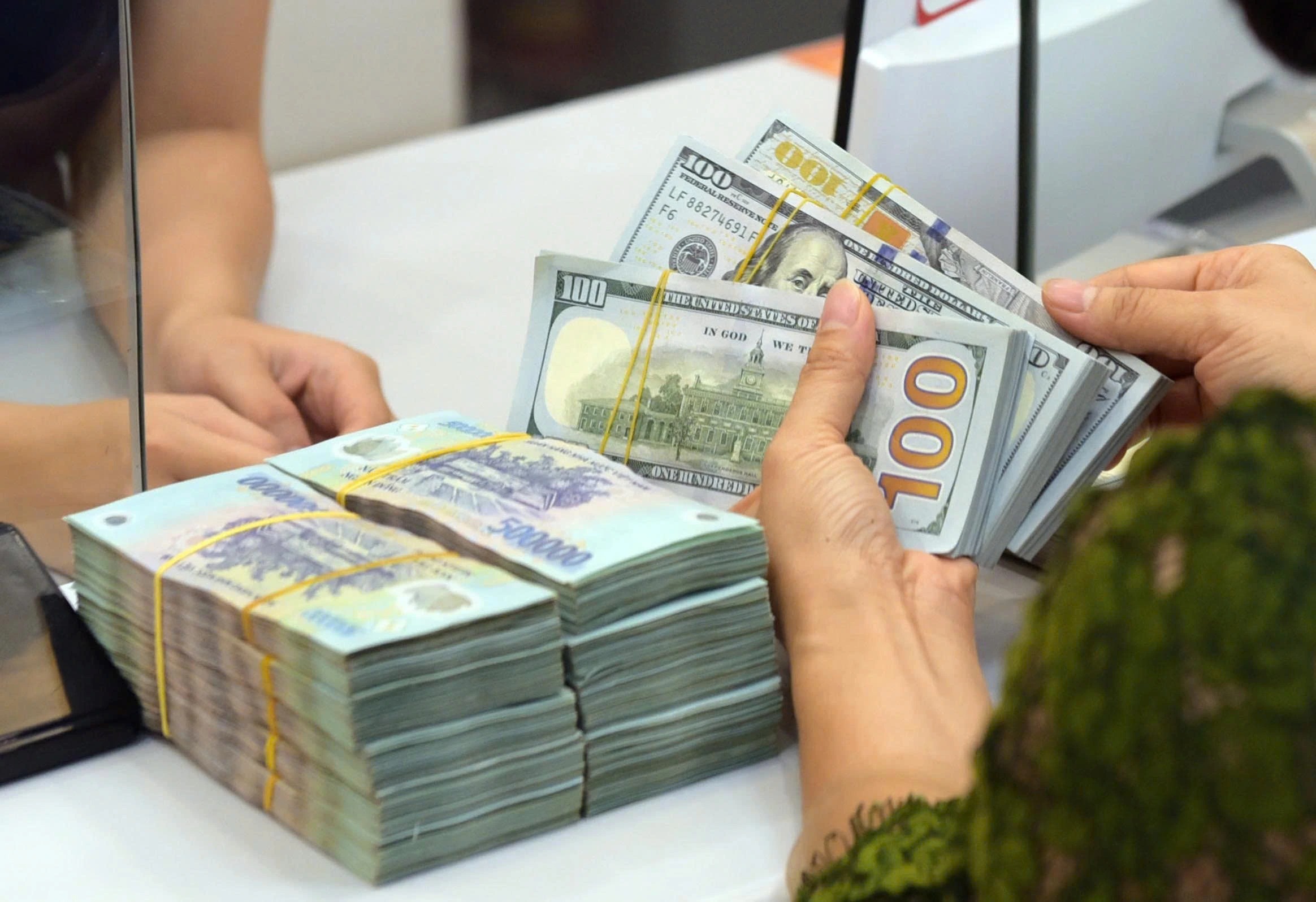
Currency management requires attention to detail. Use USD for domestic flights, cave expeditions in Phong Nha, and luxury cruises. Ensure your dollar bills are pristine, unwrinkled, and minted after 2013. Local exchange shops will reject torn or faded foreign currency.
Use VND for daily expenses. Street food costs $1 to $3 USD per meal, and you must pay in exact local change. Paying in Dong usually yields a better rate than the vendor's improvised USD conversion. Be highly cautious with polymer notes: the blue 500,000 VND bill looks remarkably similar to the blue 20,000 VND bill. Check the zeros before handing over cash.
Digital finance is rapidly taking over urban centers. Install mobile apps like MoMo or ZaloPay for an authentic local payment experience. Most coffee shops and convenience stores utilize QR code payments. If drawing cash, stick to ATMs attached to major banks like Agribank or Vietcombank, which offer higher withdrawal limits and lower foreign transaction fees.
.jpg)
Dress modestly by covering shoulders and knees at temples, and avoid public displays of affection. Show respect by using proper pronouns, and always haggle politely with a smile when shopping in local markets to ensure fair pricing.
📌 Expert Insight:
The Haggling Floor Test: When negotiating, try walking out of the shop. If the vendor does not call you back, the last price offered was the absolute floor they can accept.
Understanding social hierarchy elevates your interaction with locals. The language relies heavily on age-based pronouns. Use the title 'Anh' for older men and 'Chị' for older women to show deep cultural respect. Addressing someone politely drastically improves your service at restaurants and hotels.
.jpg)
When shopping for souvenirs at Dong Xuan Market or local night stalls, haggling is expected. Ask for a 'better price' with a warm smile; your attitude is just as valuable as currency in Vietnamese negotiations. Never raise your voice or display visible anger. 'Saving face' is a core social concept, and causing a vendor public embarrassment will instantly end the negotiation.
.jpg)
Finally, observe basic dining and household protocols. Never leave your chopsticks sticking vertically upright in a bowl of rice, as this resembles incense burned for the dead and is considered highly offensive. When entering a local home, homestay, or specific sections of pagodas, you must remove your shoes. Watch for clusters of footwear near doorways as a visual cue to unlace your shoes.
CTA
Best visited during dry season (November to April) for ideal weather.
Book accommodations in advance during peak travel season.
Carry local currency (Vietnamese Dong) for markets and small vendors.
Respect local customs and dress modestly when visiting temples.

Hanoi, Vietnam
Walk past the immigration queue at Noi Bai Airport. A dedicated Sondax escort guides you through priority lanes — typically done in under 20 minutes.
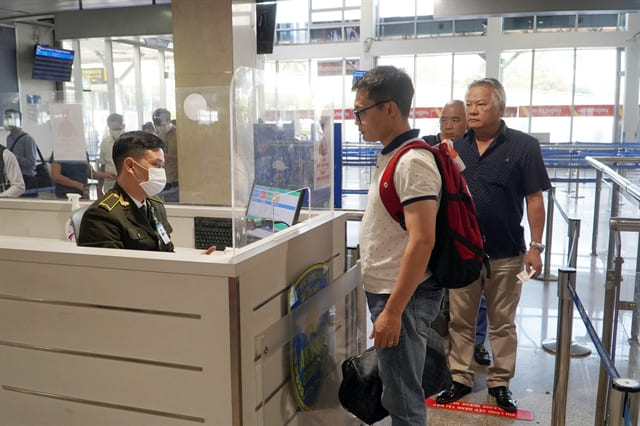
Ho Chi Minh City, Vietnam
Beat the immigration queue at Tan Son Nhat Airport. Our team escorts you through priority lanes — arrival or departure done in under 30 minutes.
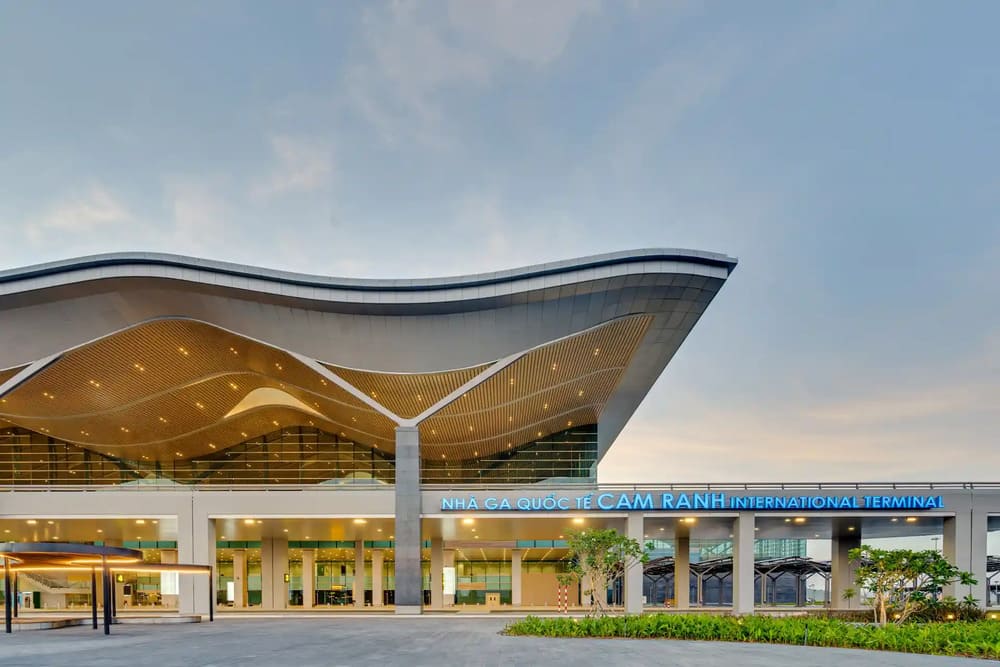
Nha Trang, Vietnam
Priority immigration clearance at Cam Ranh International Airport. Quick entry to Nha Trang.
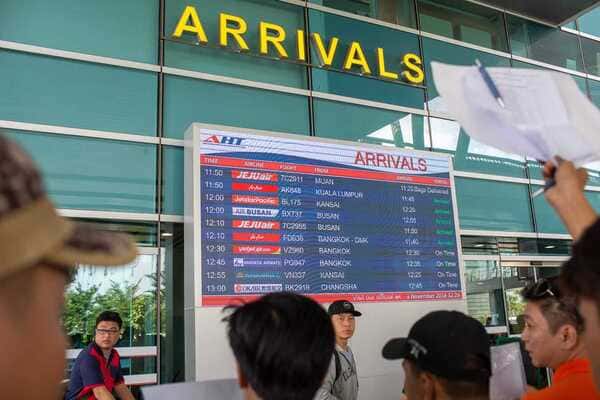
Da Nang, Vietnam
Priority immigration clearance at Da Nang International Airport. Skip the queue and clear immigration quickly.
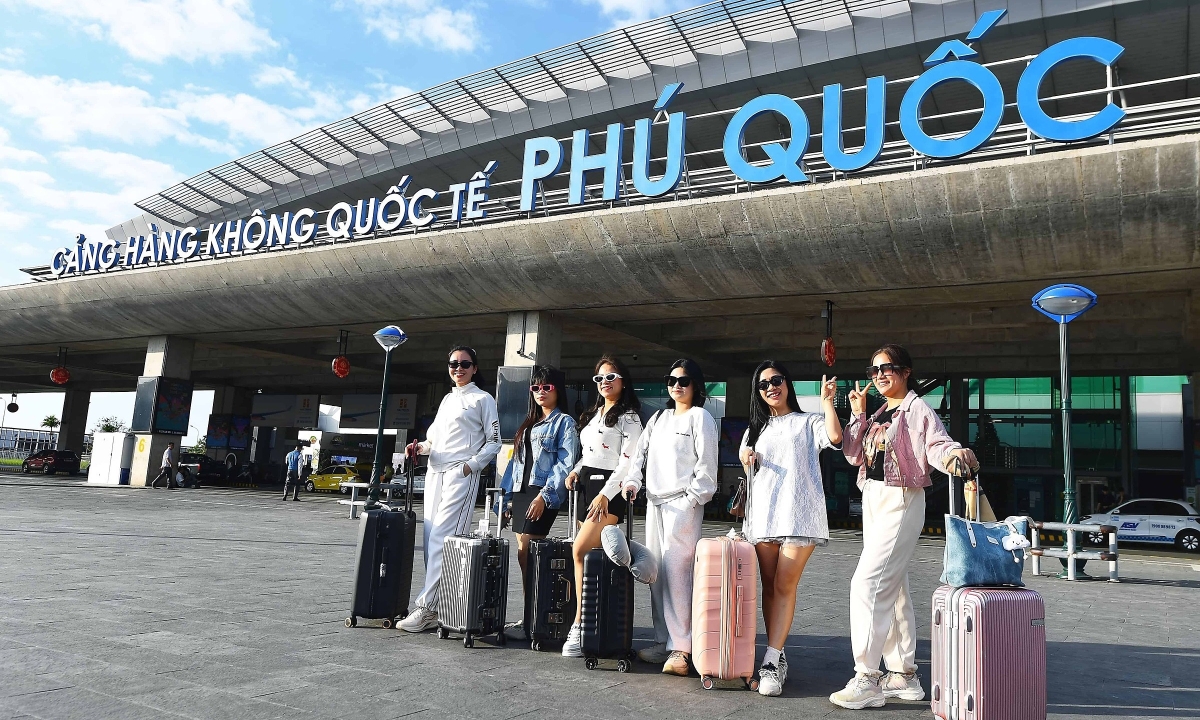
Phu Quoc, Vietnam
Priority immigration clearance at Phu Quoc International Airport. Fast entry to paradise island.