

A fruit vendor in Hoi An might demand 300,000 VND for a photo op, while a perfectly brewed Ca Phe Sua Da just streets away costs less than two dollars. Balancing a Vietnam travel budget means knowing exactly when to use cash, which ATMs allow larger withdrawals, and why prices surge in different regions. This breakdown gives you those exact numbers.
A mid-range daily travel budget for Vietnam falls between $60 and $90 per person. This covers three-star accommodation, a mix of street food and restaurant meals, Grab car rides, and standard entry fees. Backpacker budgets average $30 to $40 daily, while luxury travelers should anticipate spending $150 or more each day.
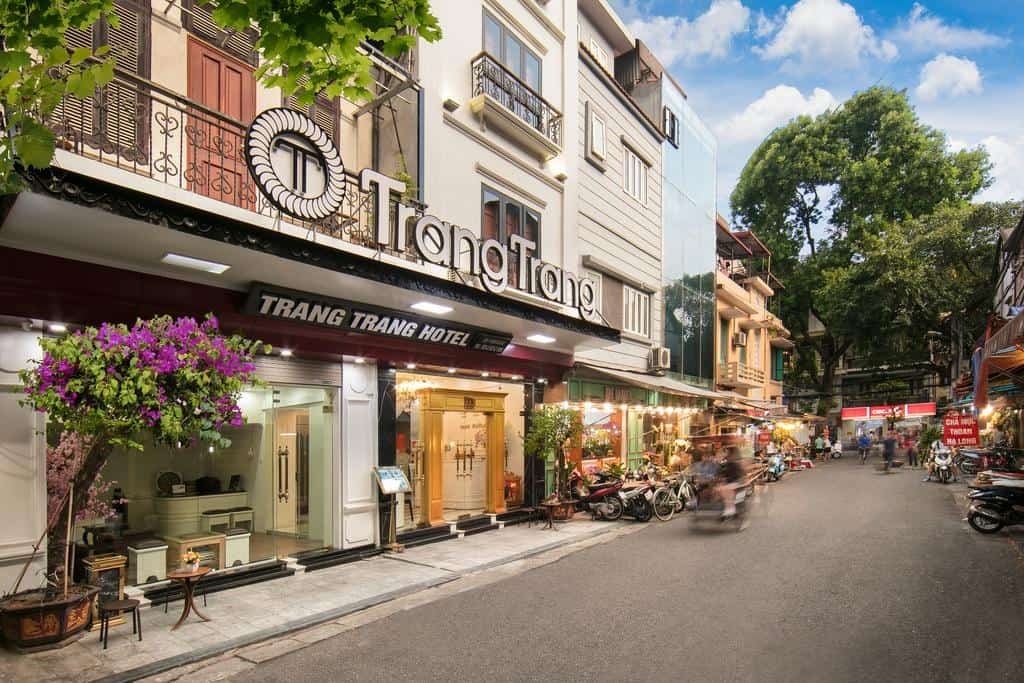
Comparing travel styles reveals steep price jumps in lodging and daily tours. Budget travelers spend under $15 on hostel dorm beds, while mid-range travelers allocate $35 for private rooms. Luxury travelers easily exceed $100 nightly on coastal resorts. Daily food costs remain comparatively flat unless you choose fine dining venues.
| Expense Category | Budget (Daily USD) | Mid-Range (Daily USD) | Luxury (Daily USD) |
|---|---|---|---|
| Accommodation | $6 – $15 | $35 – $55 | $150+ |
| Food & Drink | $10 – $15 | $20 – $30 | $50+ |
| Local Transport | $2 – $5 | $5 – $15 | $30+ |
| Activities | $5 – $10 | $10 – $25 | $100+ |
| Total Daily | $23 – $45 | $70 – $125 | $330+ |
The core expense categories for a Vietnam trip include accommodation, daily dining, domestic transportation, and guided activities. Additional required costs involve international flights, comprehensive travel insurance, and official e-visa fees. Accommodations and long-haul international flights consistently consume the largest portions of the overall expenditure for foreign visitors.
Domestic transit between distinct regions creates secondary expense spikes. A one-way flight from Hanoi to Da Nang on VietJet Air costs approximately $45. Booking a private transfer car for the 45-minute drive from Da Nang Airport into Hoi An adds $15 to your transport ledger. Planning these movements in advance controls budget bleed.
.jpg)
Eating on the street provides the highest value for your travel dollar. Regional variations dictate specific costs. In Hanoi, a bowl of clear-broth Pho Bac costs around 50,000 VND ($1.96). In Ho Chi Minh City, Pho Nam arrives with expansive plates of fresh herbs and hoisin sauce, pushing the price to 60,000 VND ($2.36).
.jpg)
Sit-down air-conditioned restaurants double these street prices. Coffee functions as a daily staple. A traditional Ca Phe Sua Da (iced milk coffee) costs 25,000 VND ($0.98) on a plastic stool, or 85,000 VND ($3.34) inside a commercial cafe chain like Highlands Coffee. Hanoi's famous egg coffee (Ca Phe Trung) costs roughly 40,000 VND ($1.57).
.jpg)
Lodging scales dramatically based on the amenities you require. A typical homestay in Mai Chau provides a mattress on a bamboo floor with mosquito netting for $8 a night, which often includes a family-cooked dinner. Budget chains like the Mad Monkey hostel network charge $10 for bunk beds but cater heavily to the party crowd.
.jpg)
For $45 per night in Da Nang, you secure a mid-range sea-view room along My Khe Beach, complete with a buffet breakfast and rooftop pool. Luxury travelers booking pool villas at international brands like the InterContinental on the Son Tra Peninsula spend $400 or more per night.
.jpg)
Intercity travel relies heavily on sleeper buses and the national railway. Operators like Futa Bus Lines charge $10 to $15 for a coastal jump from Mui Ne to Nha Trang. The cabins feature stacked, reclining plastic pods.
The Reunification Express train runs the entire length of the country. Booking a soft sleeper berth from Hanoi down to Hue costs approximately $45 and takes 14 hours. For navigating within city limits, ride-hailing apps dictate the market.
.jpg)
📌 Insider note:
Avoid traditional metered taxis waiting outside airports or major tourist sites. Download the Grab app before landing and link your credit card. A standard four-seat car ride in Ho Chi Minh City costs around $0.60 per kilometer, completely eliminating the need to haggle or worry about rigged meters.
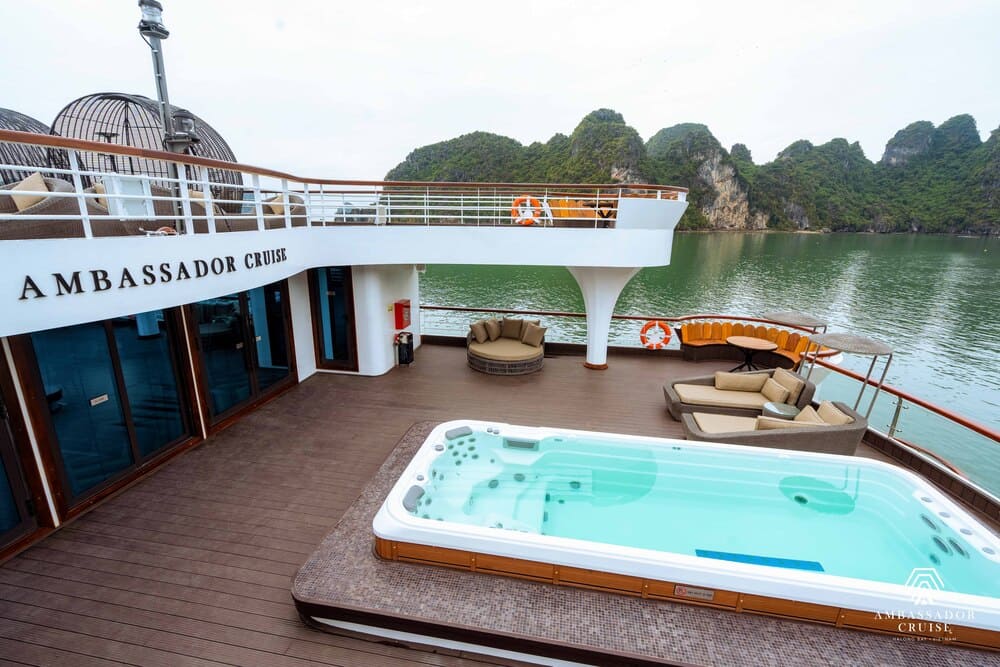
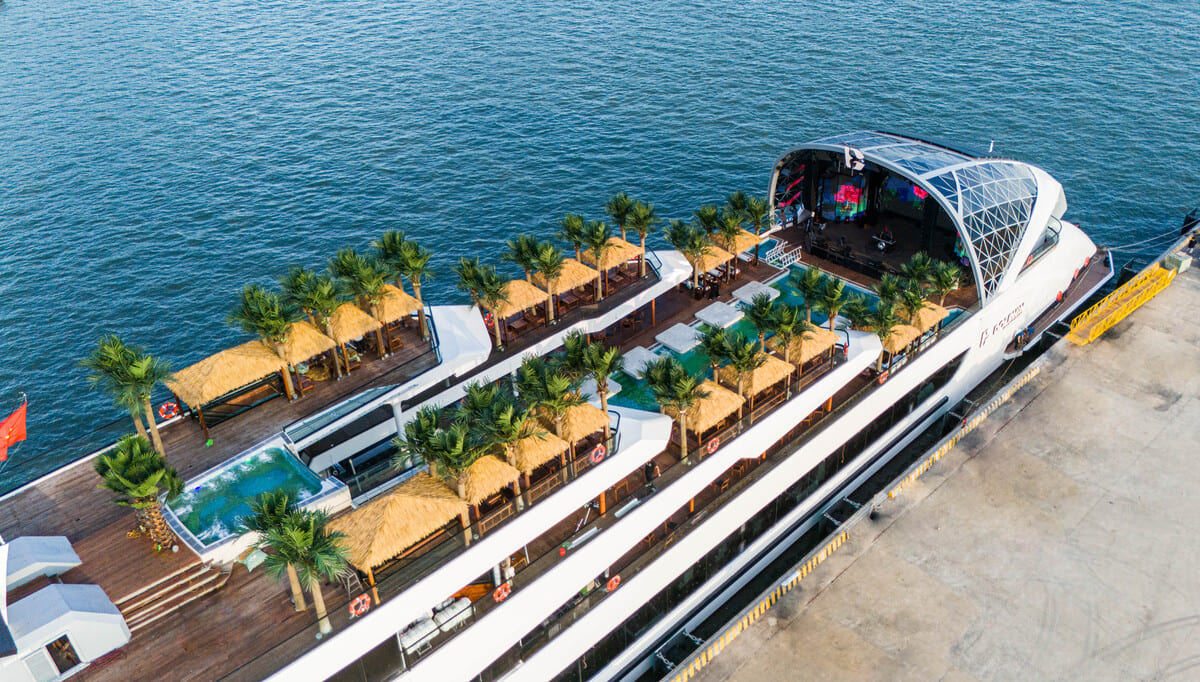
Guided excursions range from cheap museum entries to premium multi-day boat trips. A standard $65 Ha Long Bay day trip out of Tuan Chau Marina covers hotel transfers from Hanoi, a seafood lunch, and access to Sung Sot Cave. Overnight cruises on premium ships jump to $150 or $200 per person. Entrance fees for major historical sites remain heavily subsidized.
.jpg)
The War Remnants Museum in Ho Chi Minh City charges less than $2 (40,000 VND). Entry to the Cu Chi Tunnels costs roughly $5 (125,000 VND). Renting a scooter for independent exploration costs $4 to $6 (100,000 to 150,000 VND) per day, providing cheap access to rural waterfalls.
.jpg)
International flights to Vietnam from North America or Europe typically range from $800 to $1,500 for a round trip ticket. Fares fluctuate heavily based on your departure city, chosen airline, and booking timeline. Flying directly into Ho Chi Minh City usually yields the lowest baseline fares.
Direct flights on Vietnam Airlines from San Francisco (SFO) to Ho Chi Minh City (SGN) hover around $1,200. Connecting flights through Taipei (TPE) on EVA Air or Seoul (ICN) on Korean Air frequently drop the price to $850. Fares surge by 40% during the summer peak season in July and August. Pay attention to baggage allowances, as regional budget carriers like Bamboo Airways often strip checked luggage from their base fares.
.jpg)
Choosing your arrival airport dictates your itinerary direction and immediate spending. Most airlines route their high-capacity aircraft into the southern hub.
📌 Insider note:
Flying into Ho Chi Minh City's Tan Son Nhat International Airport (SGN) frequently saves you $50 to $100 on international airfare compared to arriving at Hanoi's Noi Bai International Airport (HAN). SGN processes a higher volume of commercial traffic from regional hubs like Bangkok and Singapore, driving down ticket prices.
Prices in Vietnam shift drastically depending on your latitude. A budget that feels generous in the northern mountains stretches thin at a southern beach resort. Understanding the dense tourism infrastructure of Hoi An or the isolated island economy of Phu Quoc explains why dining and accommodation costs fluctuate. Remote mountainous areas force you to eat at your specific guesthouse, removing the competitive pricing found among city street food stalls.
| Region | Mid-range Hotel | Street Food Meal | Restaurant Meal | Local Beer |
|---|---|---|---|---|
| North (Hanoi/Sapa) | $40 – $60 | $1.50 – $2.50 | $8 – $12 | $0.30 |
| Central (Hoi An/Da Nang) | $35 – $50 | $1.50 – $2.00 | $10 – $15 | $0.80 |
| South (HCMC/Phu Quoc) | $45 – $80 | $2.00 – $3.00 | $12 – $20 | $1.00 |
.jpg)
📌 Insider note:
To distribute a $1000 budget across 14 days effectively, allocate $400 for the North to cover premium multi-day tours like Ha Long Bay cruises. Spend $250 in the Central region, focusing funds on domestic trains and Hoi An tailoring. Reserve the final $350 for the South to offset the higher hotel costs in Ho Chi Minh City and potential domestic flights out of Phu Quoc.
The northern region rewards travelers willing to navigate steep mountain roads. You can rent a semi-automatic Honda Blade in Ha Giang for $6 per day to drive the loop yourself. Paying an "Easy Rider" guide $50 a day ensures safety on the hairpin mountain passes.
Accessing Sapa requires a transit ticket from Hanoi. A standard sleeper bus costs $15, while a VIP cabin on the Victoria Express train to Lao Cai costs $110 one way. Eating in Hanoi focuses heavily on street-level dining, where you spend $2 to $3 for localized dishes like Cha Ca (turmeric fish with dill).
.jpg)
Central Vietnam blends dense historical sites with rapid resort development. In Hoi An, tailors charge anywhere from $40 for basic linen shirts to $200 for custom wool suits. Entry to the Hoi An Ancient Town zone requires a mandatory ticket costing 120,000 VND ($4.72).
Da Nang operates as a commercial hub, which keeps hotel inventory high and prices low. You can eat fresh seafood directly on My Khe beach for $15 per kilogram of clams. Hue's imperial history requires multiple entry tickets; a combo pass for the Citadel and three major royal tombs costs 360,000 VND ($14.17).
%20%20(1).jpg)
The south presents the widest wealth gap in travel expenses. Ho Chi Minh City features $1 street coffee carts operating right below $15 rooftop cocktail bars. Phu Quoc Island, located in the Gulf of Thailand, imports everything from bottled water to construction materials via ferry, driving up base consumer costs.
A ticket for the Hon Thom cable car in Phu Quoc costs roughly $25 (600,000 VND). Conversely, Mekong Delta day tours out of Ho Chi Minh City remain a competitive bargain. A full-day excursion often costs just $25, which covers bus transit, a boat ride, and a local lunch.
%20(1).jpg)
For a one-week trip to Vietnam, a mid-range traveler should budget between $420 and $630 per person, excluding international airfare. This comfortable baseline covers private boutique hotel rooms, daily Grab transportation, varied dining choices, and a guided overnight cruise through the iconic limestone karsts of Ha Long Bay.
If you land in Hanoi, allocate $25 for a private airport transfer, $100 for three nights in an Old Quarter boutique hotel, and $130 for the overnight bay cruise. Dedicate $40 daily to food and $30 to minor transport and entry fees. Trying to cover the entire country in seven days forces you to buy domestic flights, adding at least $150 to your base expenses and wasting vital hours in airport transit.
.jpg)
A comprehensive three-week trip to Vietnam requires a mid-range budget of $1,260 to $1,890 per person, entirely distinct from international flight costs. This extended duration allows for $50 domestic flights between distant regional hubs, multi-day guided mountain treks, and extensive coastal resort stays in Da Nang.
Three weeks provides enough time to buy an open-jaw flight, landing in Hanoi and departing from Ho Chi Minh City. This removes the cost of a return domestic flight. Plan for $300 in intercity transport, utilizing a mix of VietJet flights and $15 sleeper buses.
Budget $600 for 21 nights of mid-range hotel rooms, assuming you split costs with a travel partner. Allocate $400 for meals, mixing cheap street pho with occasional $25 sit-down dinners.
.jpg)
Carrying the right mix of physical notes and digital cards prevents unnecessary conversion fees and keeps your funds secure. Set up your daily wallet by carrying about 500,000 VND ($19.68) in smaller notes specifically for street vendors, rural cafes, and metered taxis. Leave your bulk cash and backup credit cards secured in your hotel room safe. Flashing large wads of 500,000 VND notes at a night market invites pickpockets and makes receiving exact change difficult.
%20(1).jpg)
The Vietnamese Dong (VND) is the official national currency, currently trading at approximately 24,000 to 25,000 VND for one US dollar. Because the bills use high denominations, distinguishing between a blue 500,000 VND note and a blue 20,000 VND note remains essential for managing daily cash transactions accurately.
Vietnam uses plastic polymer notes for all denominations above 10,000 VND. These bills stick together easily when wet or humid, so count your change carefully. The 200,000 VND note is red, the 100,000 VND note is green, and the 50,000 VND note is pink. Paper notes are only used for 5,000, 2,000, and 1,000 VND denominations.
.jpg)
These small paper bills serve primarily as change at supermarkets or donation offerings at temples. Coins are no longer in circulation. Prices are often abbreviated verbally; a vendor asking for "fifty" means 50,000 VND.
The national economy relies heavily on physical currency. In major hubs like Da Nang and Hanoi, Visa and Mastercard operate flawlessly at convenience stores like WinMart. However, a local seafood restaurant with plastic chairs will not possess a card reader.
Mobile wallets like MoMo dominate local digital transactions, but these apps strictly require a domestic Vietnamese bank account, rendering them useless to foreign tourists. Keep small bills for public bathrooms, which charge 3,000 VND ($0.12) for entry.
.jpg)
Securing official entry requires submitting an application directly through the government portal. The e-visa processing takes three to five working days and costs $25 for a single-entry permit. Approval grants up to 90 days of access, eliminating the need for outdated visa-on-arrival agency letters at the airport.
.jpg)
Travel insurance is highly recommended for any trip to Vietnam. It provides critical financial protection for unexpected medical emergencies, including scooter accidents, which strictly require an International Driving Permit for legal coverage. Standard comprehensive policies usually cost between $3 and $5 per day.
During Tet Nguyen Dan, the Vietnamese Lunar New Year, travel costs surge significantly. Accommodation prices frequently double across all regions. Domestic transportation, like express trains or internal flights, book out weeks in advance at premium rates, leaving independent travelers reliant on expensive tourist-oriented restaurants.
Tipping is not strictly mandatory in Vietnam, but workers in the tourism sector highly appreciate it. A standard tipping budget includes $10 to $20 per day for a dedicated tour guide and $5 to $7 per day for a private driver handling regional transit.
Specific local bank ATMs provide much larger withdrawal limits than standard sidewalk machines. Travelers should specifically look for TPBank or VPBank terminals, which permit higher transaction caps. This strategy dramatically reduces international withdrawal fees compared to standard machines limiting you to $80 per transaction.
CTA - TA
Best visited during dry season (November to April) for ideal weather.
Book accommodations in advance during peak travel season.
Carry local currency (Vietnamese Dong) for markets and small vendors.
Respect local customs and dress modestly when visiting temples.




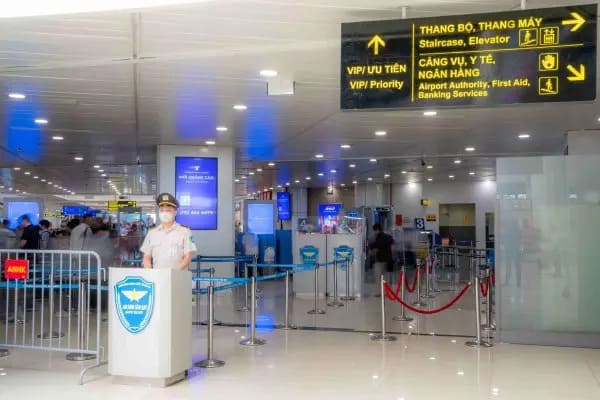
Hanoi, Vietnam
Walk past the immigration queue at Noi Bai Airport. A dedicated Sondax escort guides you through priority lanes — typically done in under 20 minutes.
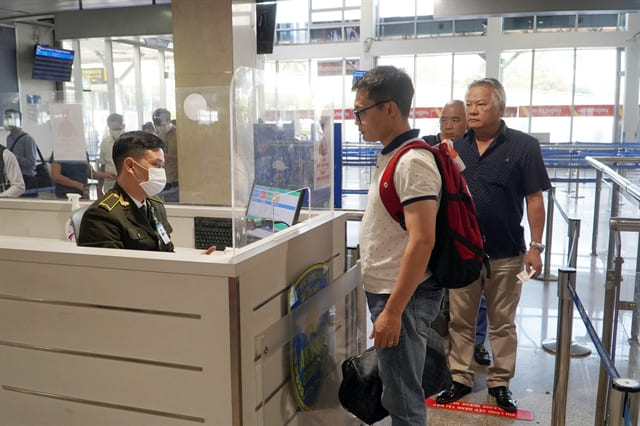
Ho Chi Minh City, Vietnam
Beat the immigration queue at Tan Son Nhat Airport. Our team escorts you through priority lanes — arrival or departure done in under 30 minutes.