Most public buses from the city drop you at Tong Dau Junction, a chaotic intersection five kilometers from the town center. Arriving without a local SIM card or knowledge of fair taxi fares leaves you vulnerable to overpaying. The difference between a smooth transition to your homestay and getting overcharged is knowing exactly what to expect. This guide eliminates the uncertainty.
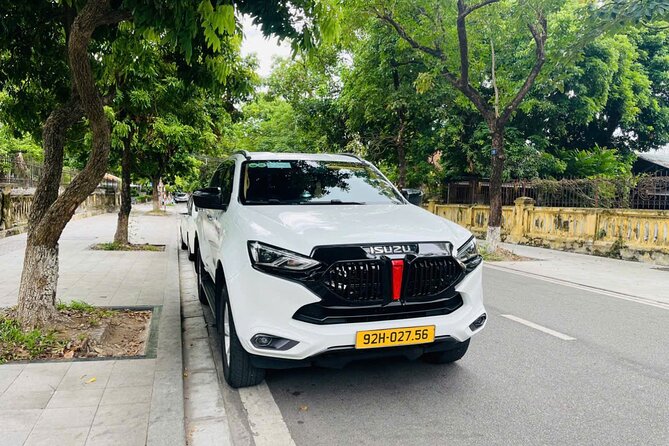
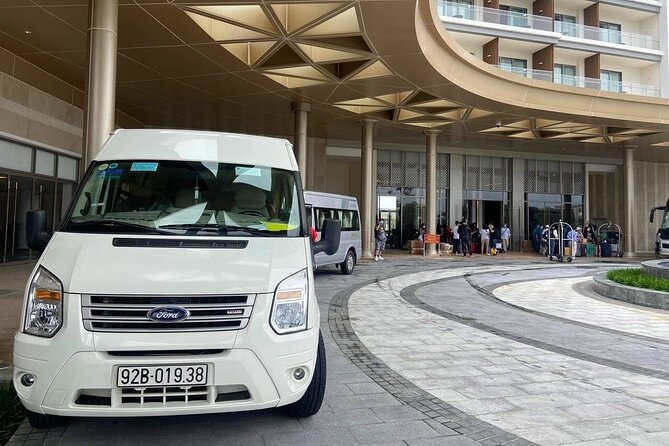
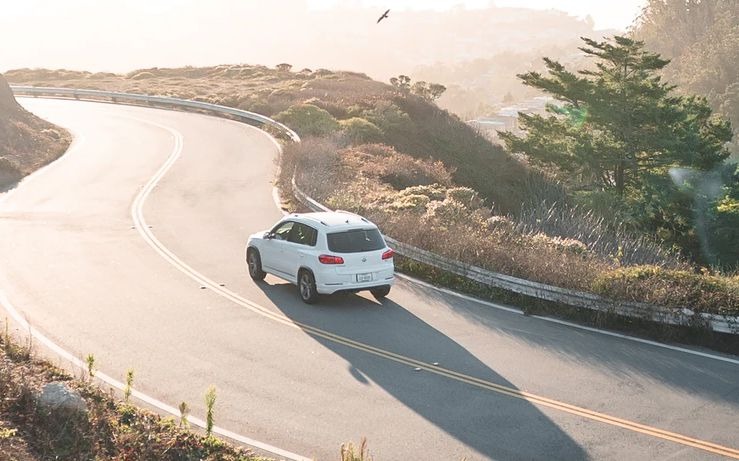
Primary transportation options from Hanoi to Mai Chau include private car hire, shared limousine vans, and public buses. Private vehicles offer door-to-door transit for roughly $70 to $90, operating on your exact schedule. Limousine vans charge 250,000 to 350,000 VND ($9.84 to $13.78) and offer a high level of comfort, featuring customized leather captain chairs and USB charging ports.
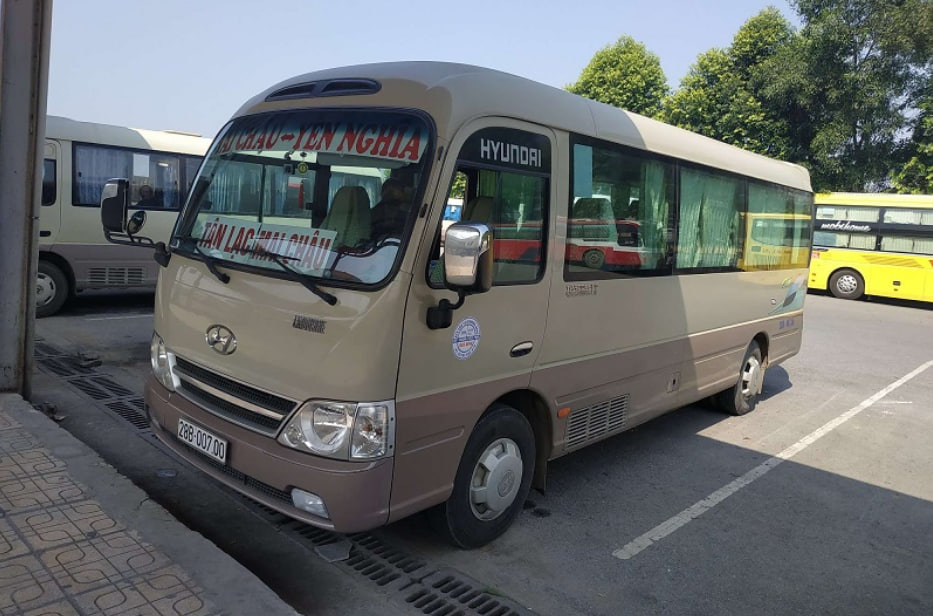
Public buses cost around 80,000 to 150,000 VND ($3.15 to $5.90), requiring passengers to navigate basic seating and rural drop-off points. Selecting the public route demands flexibility, as these larger coaches often maximize capacity by picking up agricultural goods and local commuters along the highway shoulder.
| Mode of Transport | Cost (USD) | Time | Best for | Watch out for |
|---|---|---|---|---|
| Private Car | $70 - $90 | 3.5 - 4 hours | Families carrying multiple large suitcases | Unverified independent drivers lacking mountain road experience |
| Shared Limousine | $9.84 - $13.78 | 3.5 - 4 hours | Solo travelers wanting guaranteed Old Quarter pickups | Strict size limits on luggage due to heavily reduced trunk space |
| Public Bus | $3.15 - $5.90 | 4.5 - 5 hours | Budget backpackers with highly flexible arrival schedules | Getting dropped 5 kilometers from your actual hotel on the highway |
.jpg)
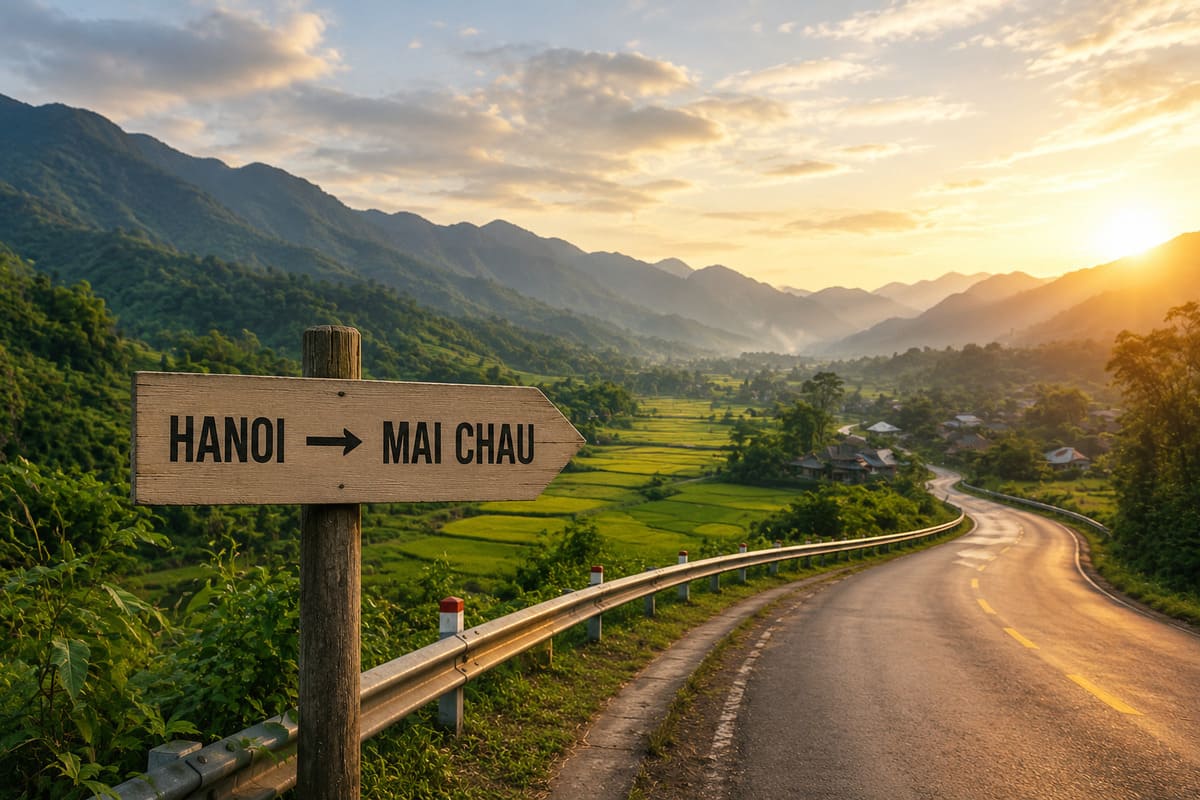
The distance from Hanoi to Mai Chau is approximately 140 to 145 kilometers. The route primarily follows National Road 6, traversing mountainous terrain that drastically reduces your average vehicle speed. Exiting the urban sprawl of the capital often takes a full hour before you hit the open highway.
.jpg)
Travel typically involves passing through the Hoa Binh region before reaching the district, making it a scenic journey for those heading into northern Vietnam. The elevation gain begins severely after passing Hoa Binh City, introducing a series of blind corners and heavy commercial truck traffic that dictates the pace of your ascent.
📌 Insider note:
Instruct your private driver to stop at Thung Khe Pass, known locally as "White Rock Pass" (Đèo Đá Trắng), located at kilometer marker 114 on National Road 6. The limestone quarry serves as the primary viewpoint over the valley before you begin the steep descent into Mai Chau. Local vendors sell boiled corn for 15,000 VND ($0.59) right at the cliff edge.
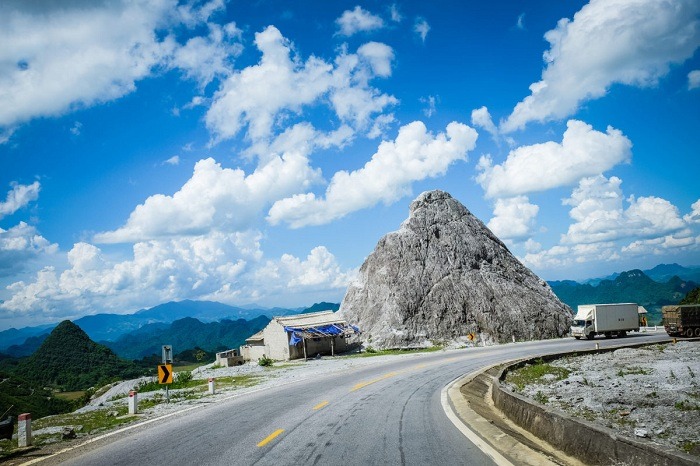
Travel time from Hanoi to Mai Chau typically averages 3.5 to 4 hours by private car or shared limousine van. Using a public bus takes closer to 4.5 hours. Journey duration heavily depends on urban traffic, mountain road conditions, and scheduled rest stops along the route.
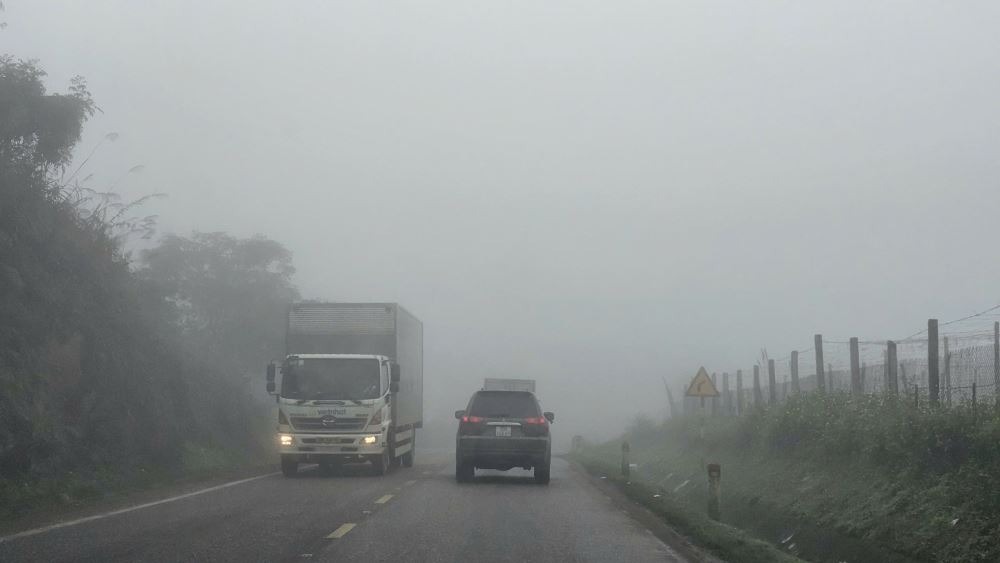
Departures scheduled between 7:30 AM and 8:30 AM routinely hit commuter gridlock near the Thăng Long Boulevard interchange. Heavy fog frequently blankets the mountain passes from December through February, forcing drivers to cut their speed by half. Plan your transit under the assumption that delays of 30 to 45 minutes are standard operating procedure rather than exceptions.
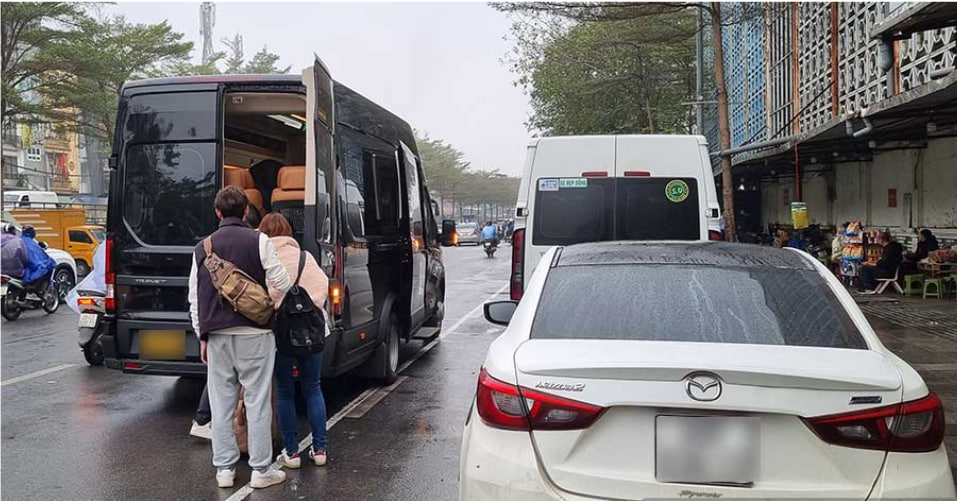
Booking luxury transport does not always guarantee a premium experience. Differentiating between a standard public shuttle and a true limousine service ensures travelers receive the comfort and luggage capacity they paid for, avoiding unexpected discomfort on winding mountain roads. Actual limousine operators modify 16-seat Ford Transits or Hyundai Solatis into 9-seat configurations, maximizing individual legroom.
Standard shuttle companies frequently market themselves as "VIP" while maintaining factory seating. The back row of four seats in any 9-seat limousine does not recline fully and sits directly over the rear axle, creating a noticeably bumpier ride over potholed sections. Request a middle-row captain chair when booking through an agency.
.jpg)
Arriving at the valley edge requires navigating the final stretch to your accommodation. Most public buses do not enter the town center, leaving travelers at a major highway intersection known as Tong Dau Junction (Ngã ba Tòng Đậu). This Y-shaped crossing lacks pedestrian infrastructure, ATM machines, or formal taxi ranks.
Knowing how to secure local transport immediately prevents overpaying and ensures a safe arrival. Unofficial drivers wait near the highway markers and will aggressively quote inflated rates the moment you step off the bus. You need to negotiate the fare before handing over your backpack.
.jpg)
| Route | Motorbike Taxi Fare (VND) | Regular Taxi Fare (VND) |
|---|---|---|
| Tong Dau Junction to Bản Lác | 40,000 - 50,000 VND ($1.57 - $1.96) | 80,000 - 100,000 VND ($3.15 - $3.93) |
| Tong Dau Junction to Poom Coong | 45,000 - 55,000 VND ($1.77 - $2.16) | 90,000 - 110,000 VND ($3.54 - $4.33) |
.jpg)
📌 Insider note:
If you find yourself stranded at Tong Dau Junction without any waiting drivers, do not attempt to walk the 5 kilometers down the shoulderless highway with heavy luggage. Instead, dial Mai Chau Taxi directly at (0218) 386 8788. A metered vehicle will typically dispatch from the town center and arrive within 15 minutes.
Mai Chau Valley is known for its serene rural landscapes, golden rice paddies, and traditional stilt houses. The area offers visitors a deep insight into Vietnamese village life and agricultural practices, providing a peaceful cultural experience distinct from the chaotic atmosphere of urban environments.
The agricultural cycle dictates the visual layout of the basin. Planting occurs heavily in February, leaving the fields flooded and reflective. By late May and early June, the rice turns a deep yellow, signaling the harvest season. The architecture here relies on raised timber structures designed to keep living quarters dry during torrential summer rainstorms and safe from wandering livestock.
.jpg)
📌 Insider note:
The White Thai ethnic group dominates the valley's demographic. When observing traditional weaving practices underneath the stilt houses in Poom Coong, interact respectfully by asking permission before photographing the looms. You secure the best prices—and ensure the money stays in the community—by purchasing scarves directly from the artisan rather than the central market stalls.
.jpg)
Secure a private car through recognized operators like Klook or a verified Hanoi Old Quarter travel agency rather than independent roadside drivers. Expect to pay between $70 and $90 for a four-seat sedan. Confirm your exact pickup address and ensure the quoted price covers all expressway toll fees.
A traditional stilt house dormitory bed costs roughly 100,000 to 150,000 VND ($3.93 to $5.90) per night. Private rooms equipped with modern air conditioning units and enclosed bathrooms range from 400,000 to 800,000 VND ($15.74 to $31.49), depending on village proximity and included breakfast provisions.
Heavy commercial trucks frequently dominate National Road 6, making overtaking dangerous on the blind corners of Thung Khe Pass. Dense fog heavily reduces visibility during winter months between December and February. Always mandate that your driver adheres to the 60 kilometer-per-hour mountain speed limit to ensure safe transit.
.jpg)
Pack conservative clothing that fully covers your shoulders and knees when walking through residential village sectors. Remove your shoes entirely before stepping onto the wooden floorboards of any traditional stilt house. Carry a lightweight rain jacket or windbreaker, as evening valley temperatures routinely drop below 15 degrees Celsius.
Mai Chau provides a quieter, predominantly White Thai agricultural environment positioned just 140 kilometers from the capital. Sapa requires a much longer 315-kilometer transit and features heavy commercial development. Choose the valley for flat cycling routes, or head north for intense trekking among Hmong and Dao minority groups.
CTA
Best visited during dry season (November to April) for ideal weather.
Book accommodations in advance during peak travel season.
Carry local currency (Vietnamese Dong) for markets and small vendors.
Respect local customs and dress modestly when visiting temples.