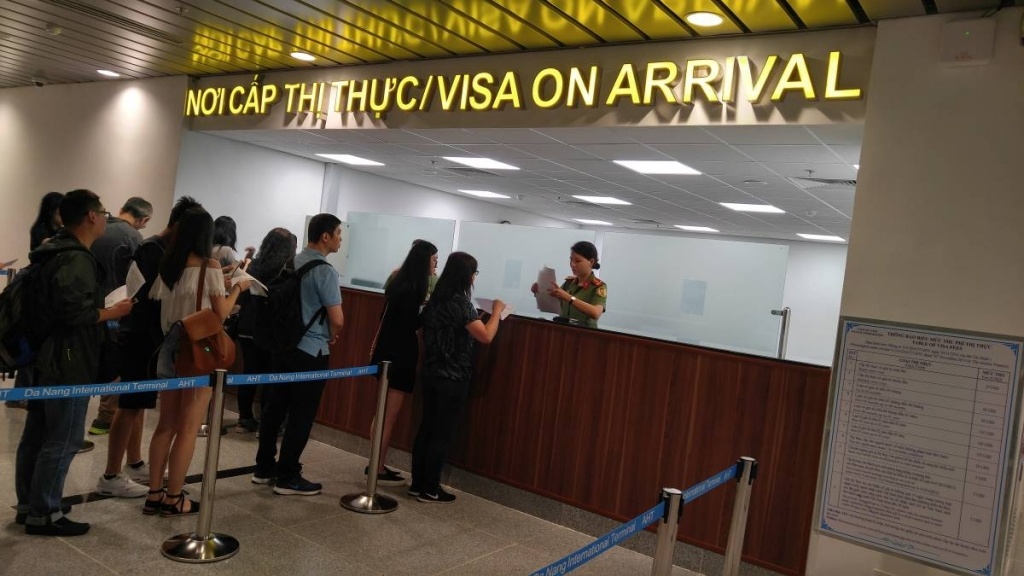

Need a Vietnam visa immediately? While the standard E-visa is great for planners, the Vietnam Visa on Arrival (VOA) remains the definitive safety net for last-minute flyers and emergency trips. This up-to-date guide breaks down the precise steps, hidden privacy risks, and costs to ensure a highly efficient landing.
Yes, Vietnam Visa on Arrival is fully operational for air travelers. It requires applying online via an agency for a pre-approved letter before your flight, then paying a stamping fee at one of the 8 designated international airports upon landing.
Many travelers assume the digital system completely replaced older entry methods. However, the legacy framework runs parallel to the electronic system, serving primarily as a rapid-response alternative. You must obtain the pre-approval letter before arriving at your departure airport. Airlines enforce strict verification of this document at the check-in desk.
Without this critical authorization letter, gate agents will deny your boarding pass immediately. The traditional method requires third-party involvement because the Vietnamese Immigration Department does not issue these letters directly to consumers. Licensed travel companies act as your domestic sponsor, handling the legal paperwork on your behalf.
These agencies submit your passport details directly to immigration officers in Hanoi or Ho Chi Minh City. Once authorized, the agency emails you a PDF copy of the official clearance. You print this document and carry it with your passport to present to the airline staff.
| Criteria | E-Visa | Visa on Arrival |
|---|---|---|
| Processing Time | 3 to 5 working days | 2 to 4 hours (urgent service) |
| Cost Structure | Fixed upfront fee ($25 USD) | Agency fee + Airport stamping fee |
| Airport Queues | Proceed directly to passport control | Wait at the Landing Visa counter |
| Entry Points | All ports (Air, Land, Sea) | Strictly major international airports |
Choosing between these two entry systems depends entirely on your specific timeline and intended point of entry. Planners with a clear schedule should default to the electronic visa for predictability. Alternatively, business travelers facing sudden client meetings rely entirely on the older system to facilitate immediate entry.
📌 Expert Insight:
If the official E-visa portal crashes or you have a last-minute flight change, the VOA urgent service is your only guaranteed backup plan to avoid boarding denial.
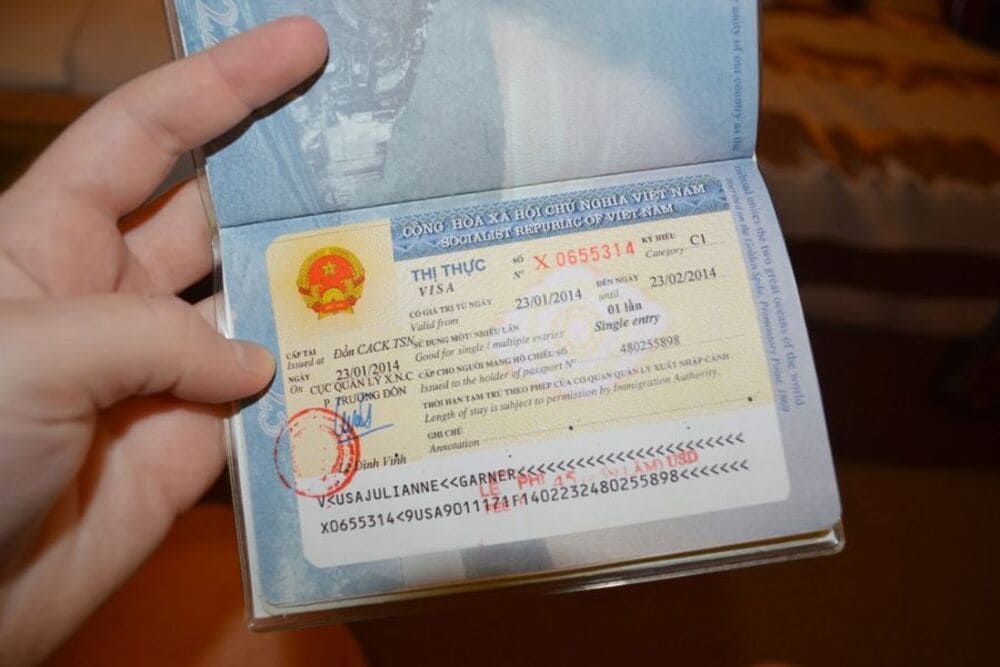
The cost is split into two parts: an online service fee paid to an agency and a mandatory government stamping fee paid at the airport. The agency rate typically ranges from $20 to $60, while the government extraction sits at either $25 or $50.
The dual-cost structure frequently confuses first-time visitors. You pay the agency online using a credit card to secure your approval document. This upfront payment covers their administrative labor and access to priority government processing queues. Standard processing over three business days costs the least.
Emergency processing within two hours on a weekend pushes the service fee significantly higher, sometimes exceeding $100. Your second financial obligation occurs physically inside the airport terminal. Immigration officers collect the physical stamping fee directly, which finalizes your entry and legally activates your travel document.
Always calculate your total expenditure by adding the online service charge to the physical terminal fee. Many agencies aggressively advertise unusually low upfront rates, deliberately burying the government surcharge in the fine print. You must budget for both distinct transactions to avoid unpleasant surprises upon landing.
Furthermore, corporate travelers applying for the 12-month option must present supplementary business sponsorship documents alongside their $135 payment. The immigration desk applies strict scrutiny to long-term commercial entries. Failure to provide matching corporate paperwork will result in immediate denial or forced downgrade to a standard 30-day tourist entry.
📌 Expert Insight:
The 'Landing Visa' counter at the airport only accepts cash (USD or VND). No credit cards are accepted, and there are no ATMs before the immigration checkpoint. Bring crisp, unripped USD bills.
Prepare your precise currency amount before leaving your home country. Airport authorities enforce extremely rigid quality controls on foreign banknotes. Officers will reject United States currency bearing tears, significant wrinkles, heavy ink marks, or tape. If you are forced to pay in Vietnamese Dong instead of US Dollars, expect a highly unfavorable exchange rate calculated on the spot.
.jpg)
Visa on Arrival is strictly for air travel and is accepted at 8 major international airports in Vietnam. The necessary processing infrastructure does not exist at land borders or maritime ports, making this specific authorization entirely useless for overland tourists or cruise ship passengers.
If your itinerary involves a domestic layover within the country, you must clear immigration at your very first point of touchdown. For example, if you fly from Tokyo to Da Nang with a connection in Hanoi, you will process your paperwork in Hanoi. You cannot wait until your final destination.
After receiving your stamp in Hanoi, you collect your luggage, transfer to the domestic terminal, and fly to Da Nang as a local passenger. Always schedule at least three hours for any domestic connection following an international arrival to absorb processing delays.
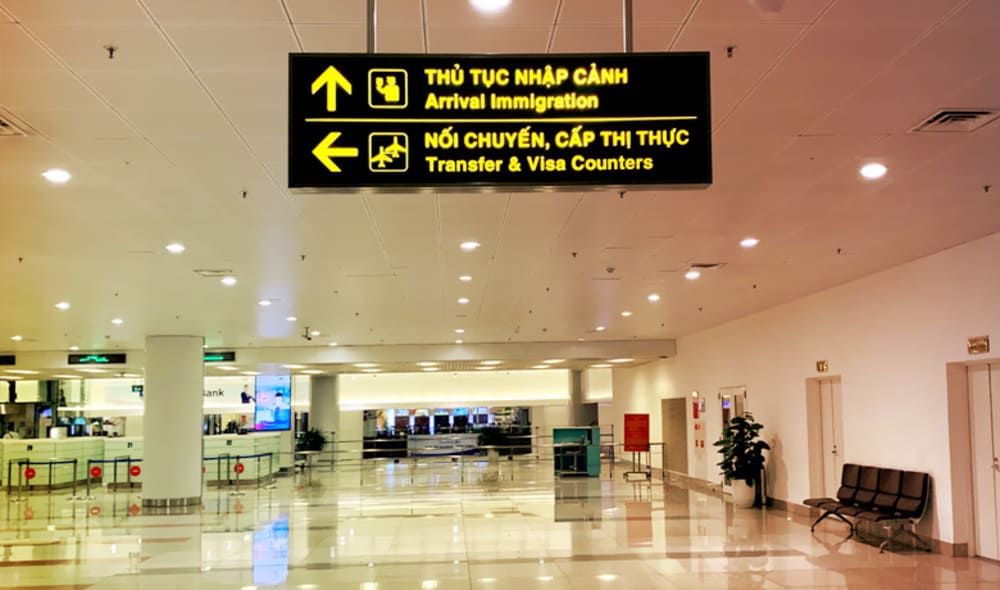
The three largest aviation facilities—Hanoi, Ho Chi Minh City, and Da Nang—handle the vast majority of foreign arrivals. These high-traffic hubs staff their counters 24 hours a day to accommodate late-night incoming flights. Finding the designated desk is straightforward, heavily marked with large illuminated signs prior to the main passport control area.
At Ho Chi Minh City's Tan Son Nhat Airport, the counter sits on your left immediately before the standard immigration queues. At Hanoi's Noi Bai, you will spot it straight ahead as you descend the primary escalators into the arrival hall. Smaller entry points like Da Lat maintain more limited staffing aligned strictly with international flight schedules.
📌 Expert Insight:
Do not apply for a VOA if you are crossing into Vietnam via a land border (like Cambodia/Laos) or arriving on a cruise ship. You will be denied entry.
.jpeg)
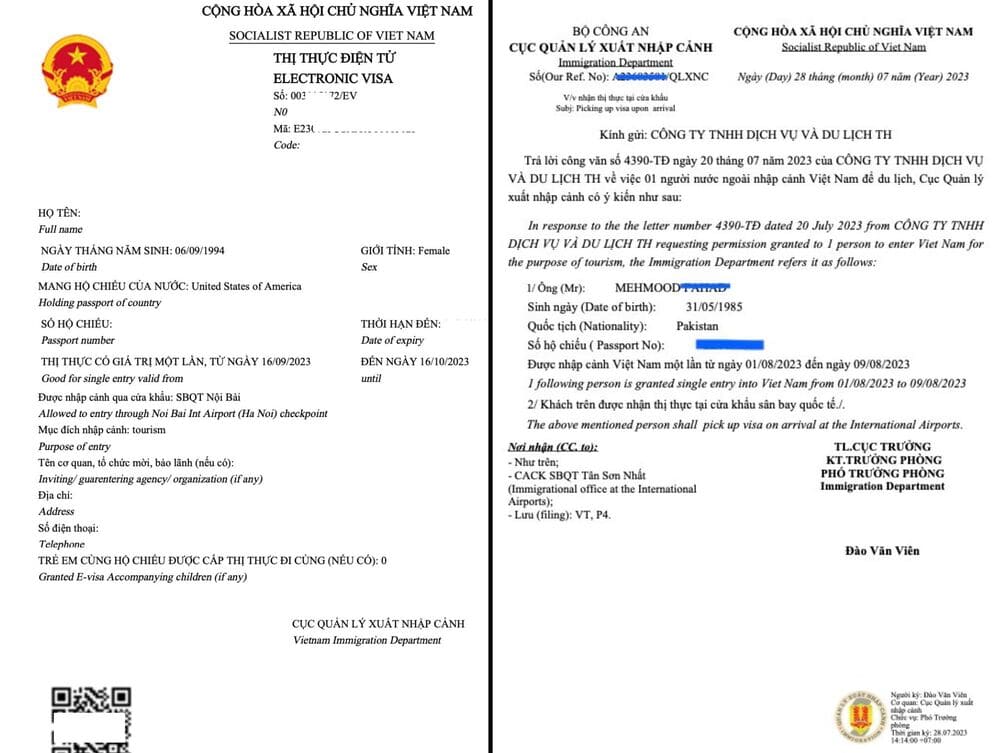
To save costs, many agencies issue "group" approval letters that display your personal data alongside complete strangers. Security-conscious travelers should explicitly request a "Private Approval Letter" during the application phase to protect their sensitive information from public distribution.
Agencies frequently aggregate multiple client applications into single administrative batches. Submitting 30 names on one document substantially reduces their internal processing fees with the Vietnamese government. Consequently, the authorities return a single master document containing everyone's details.
The agency then forwards this identical PDF to every individual on the list. When you print this shared document, you simultaneously print the full legal names, precise passport numbers, nationalities, and birth dates of dozens of strangers. They also receive your exact personal information.
In an era of rampant identity theft, this industry standard represents a severe security vulnerability. Corporate travelers and privacy advocates must proactively manage this risk. Securing a private document requires clear communication with your chosen vendor before processing your payment.
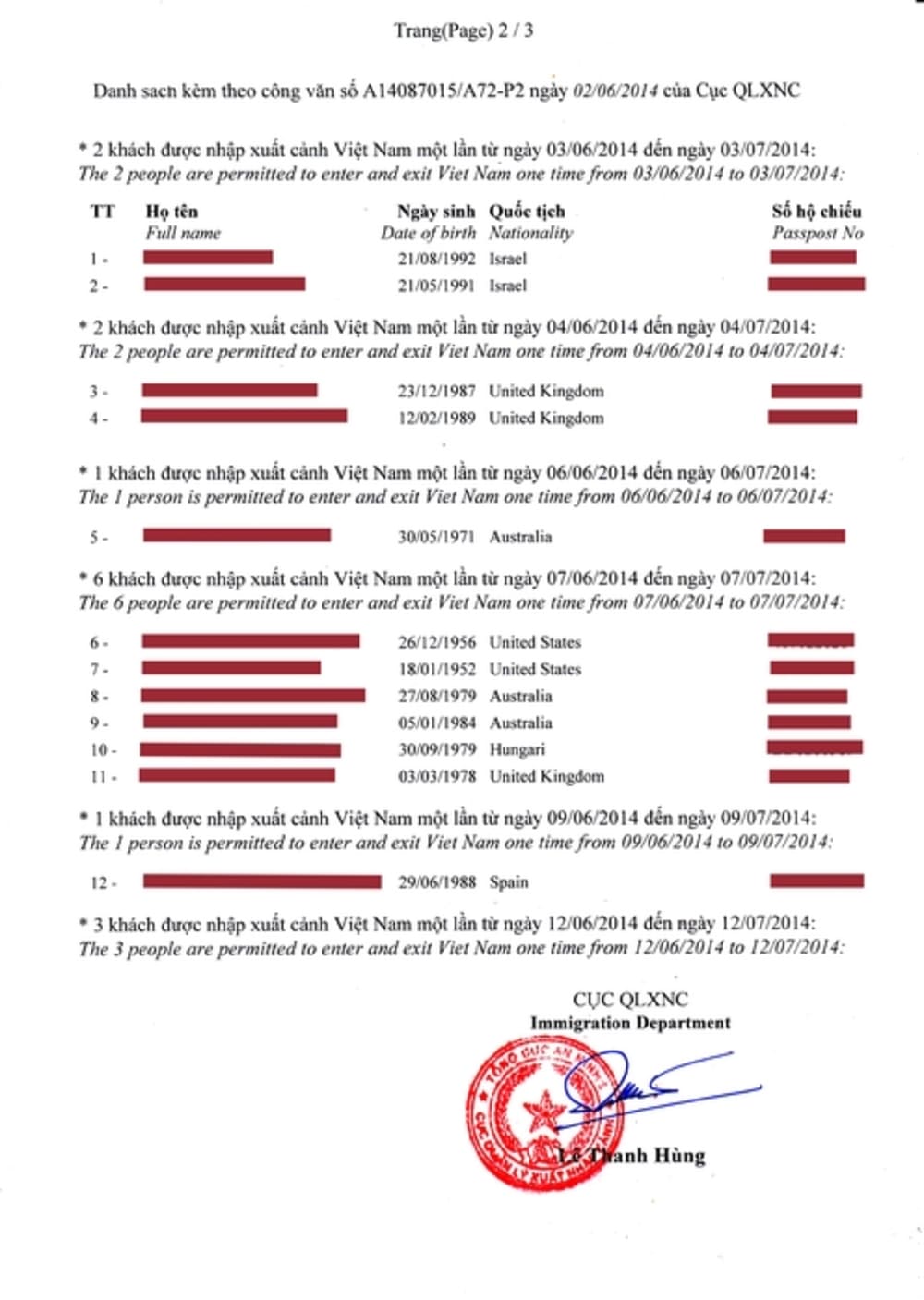
If an agency website lacks a dedicated checkbox for confidential processing, contact their support team via email or messaging apps to confirm their policies. Reputable providers reliably accommodate privacy requests for a minor surcharge. The resulting authorization will feature exclusively your details, alongside family members if applying together.
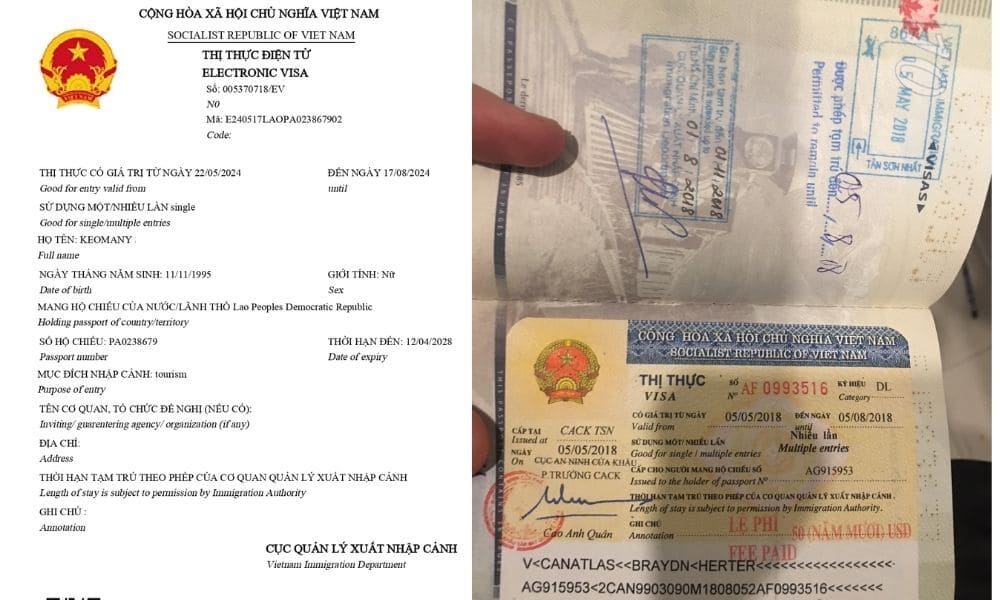
Travelers frequently express concern when their finalized document lacks wet ink signatures. The immigration department recently modernized document layouts, replacing physical stamps with QR codes and digital signatures. Airline desk operators utilize these precise digital markers to verify your clearance instantly within the national aviation database.
Standard processing for the pre-approval letter takes 2 to 5 working days, but urgent services can secure a letter in 2 to 8 hours. This rapid turnaround functions on weekends and public holidays, establishing it as the definitive choice for emergency travel scenarios.
Evaluating your required timeline demands separating the digital authorization from the physical airport experience. Procuring the digital authorization moves rapidly, dictated by your willingness to pay premium processing fees. Agencies utilize direct communication lines to border officials, ensuring accelerated approvals during Vietnamese business hours.
The physical wait time inside the terminal introduces completely different variables. Your delay fluctuates based entirely on concurrent flight arrivals. Landing directly behind two wide-body aircraft from major regional hubs can result in wait times exceeding ninety minutes. Conversely, arriving during off-peak morning hours regularly yields a completed process in under twenty minutes.
📌 Expert Insight:
Print and pre-fill the NA1 (Entry/Exit) form before you land. This allows you to completely bypass the crowded form-filling desks at the airport and jump straight into the processing queue.
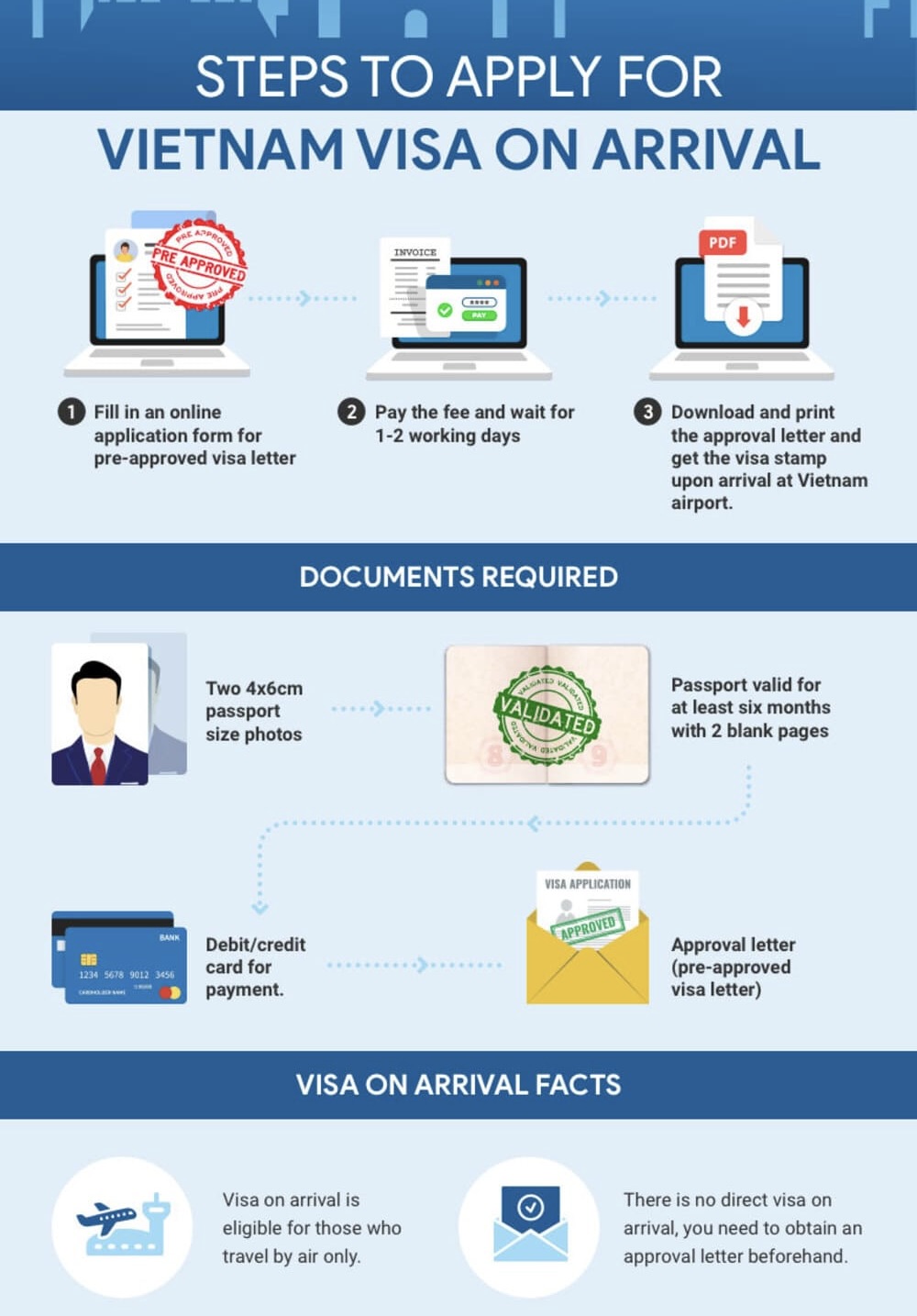
Travelers frequently neglect the physical photograph requirement. You must provide standardized passport portraits measuring exactly 4 by 6 centimeters. While officials occasionally accept slightly different international dimensions, possessing the correct size prevents aggravating procedural friction. Most major arrival halls maintain a small photography kiosk near the desk, charging roughly $5 USD for rapid prints.
Pay close attention to counter announcements while waiting. Officers process documents randomly rather than in the strict chronological order received. They broadcast names over a loudspeaker or project passport photos onto a digital screen. Approach the cashier promptly when summoned, settle your government fee, and thoroughly verify the stamped dates before moving toward final passport control.
.jpg)
---Related Articles---
Best visited during dry season (November to April) for ideal weather.
Book accommodations in advance during peak travel season.
Carry local currency (Vietnamese Dong) for markets and small vendors.
Respect local customs and dress modestly when visiting temples.
Hanoi, Vietnam
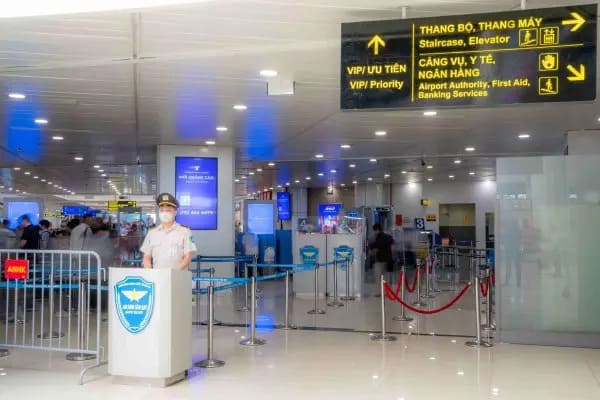
Walk past the immigration queue at Noi Bai Airport. A dedicated Sondax escort guides you through priority lanes — typically done in under 20 minutes.
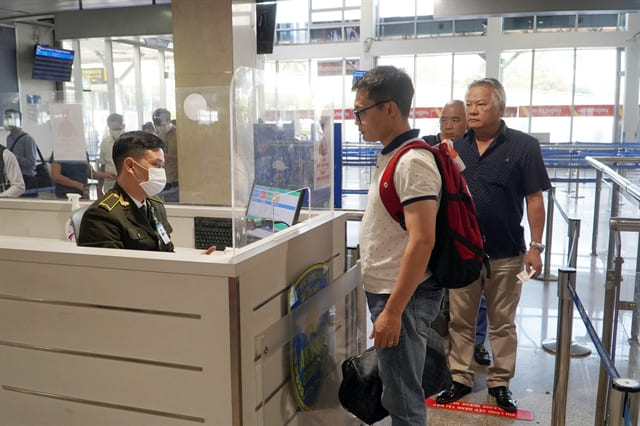
Ho Chi Minh City, Vietnam
Beat the immigration queue at Tan Son Nhat Airport. Our team escorts you through priority lanes — arrival or departure done in under 30 minutes.
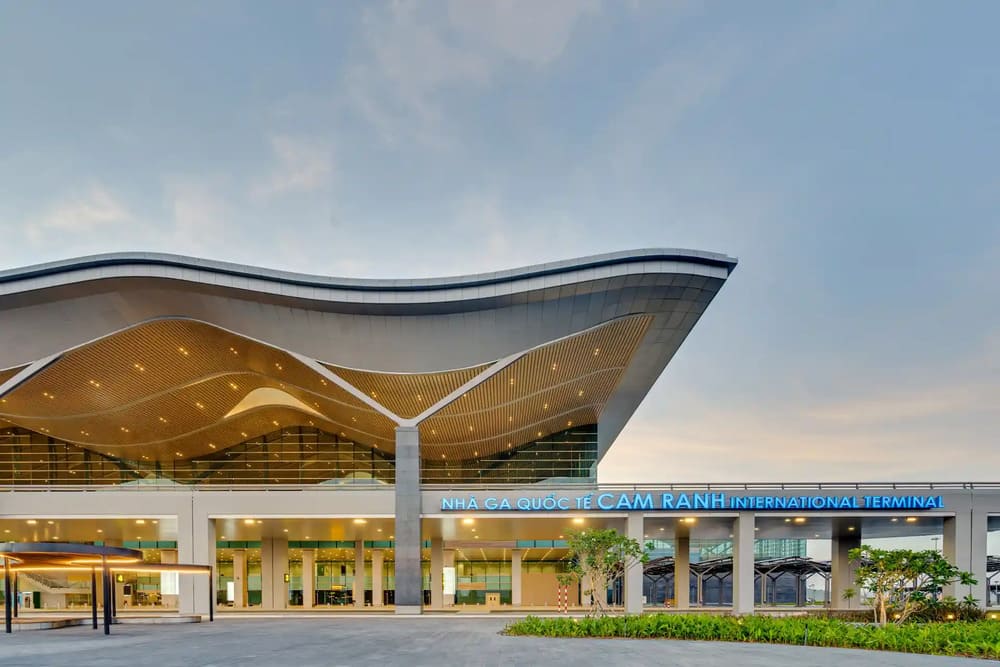
Nha Trang, Vietnam
Priority immigration clearance at Cam Ranh International Airport. Quick entry to Nha Trang.
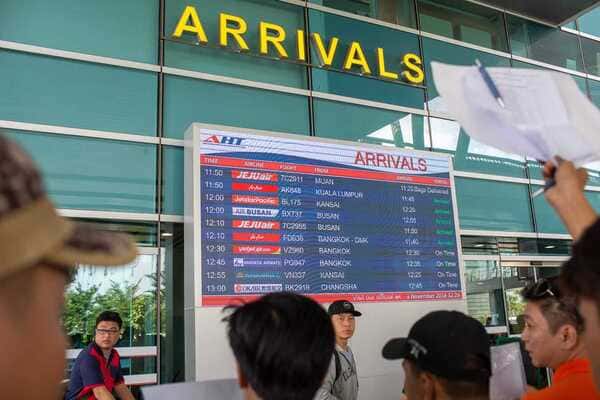
Da Nang, Vietnam
Priority immigration clearance at Da Nang International Airport. Skip the queue and clear immigration quickly.
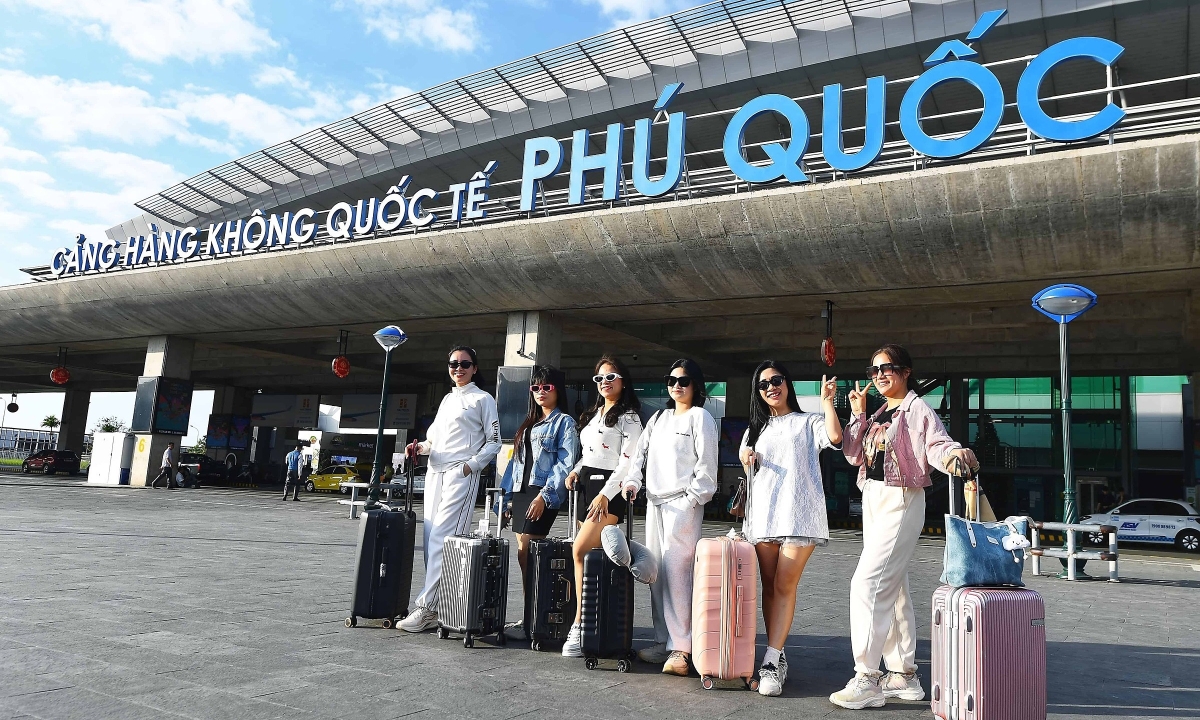
Phu Quoc, Vietnam
Priority immigration clearance at Phu Quoc International Airport. Fast entry to paradise island.
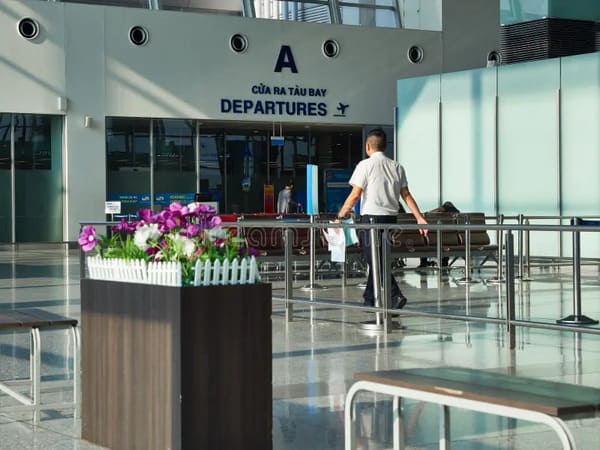
Noi Bai International Airport, Hanoi
Walk past the immigration queue at Noi Bai Airport. A dedicated Sondax escort guides you through priority lanes - typically done in under 20 minutes.
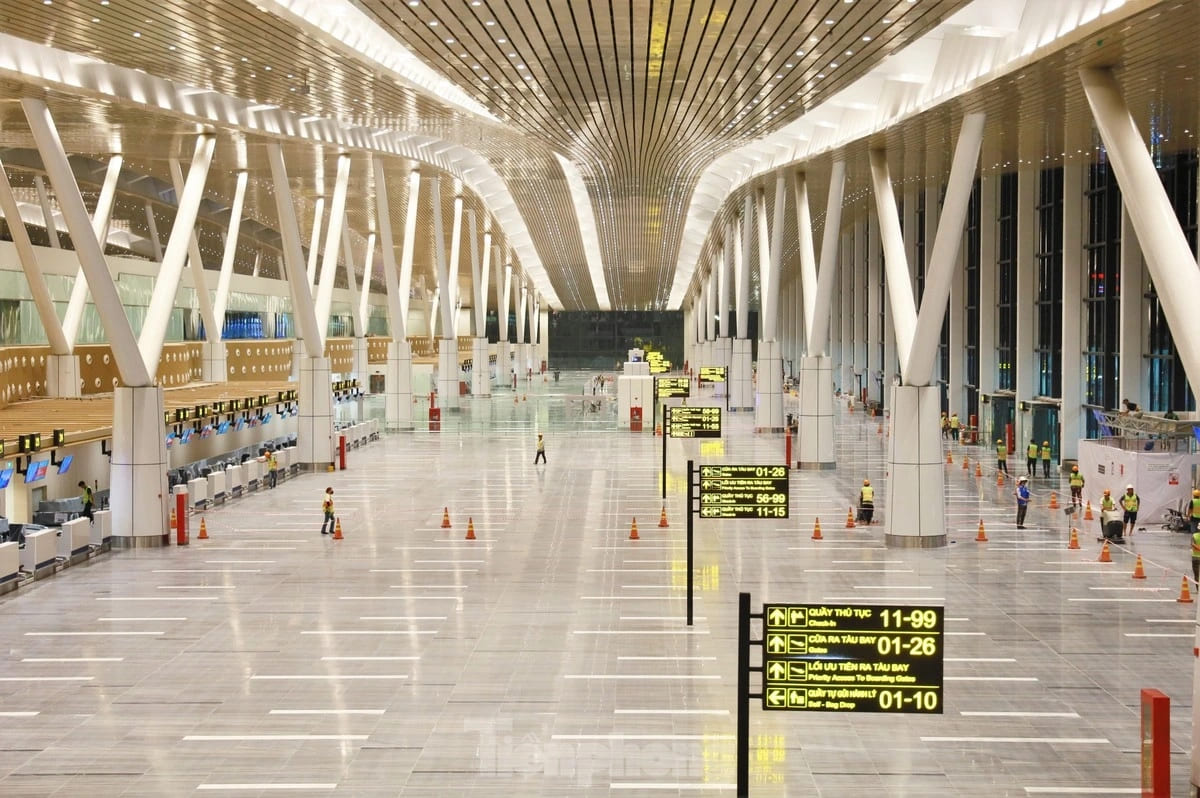
Tan Son Nhat, Ho Chi Minh City
Beat the immigration queue at Tan Son Nhat Airport. Our team escorts you through priority lanes — arrival or departure done in under 30 minutes.