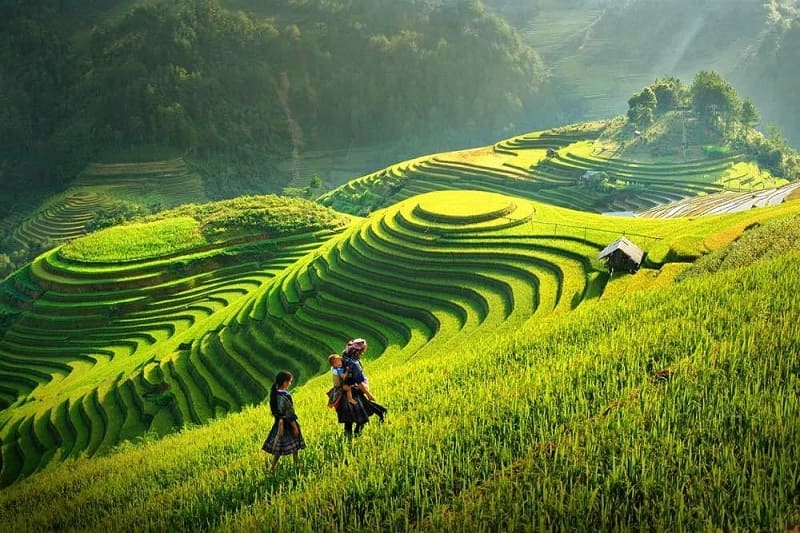

Skip the tourist traps and fog-filled dreams. Our latest guide offers a "fog-proof" roadmap and insider logistics to help you experience the authentic heart of Sapa's rice terraces with total confidence.
Sapa is absolutely worth visiting for its striking terraced rice fields, distinctive ethnic cultures, and the imposing Mount Fansipan at 3,143 meters. While the main town suffers from heavy commercialization, traveling just a few kilometers into the surrounding valleys reveals pristine nature and legitimate cultural immersion.
.jpg)
Sapa town operates as a highly developed, busy commercial center. You will encounter constant hotel construction, bright neon signs, and heavy traffic along the main thoroughfares. However, this infrastructure provides essential amenities, including reliable ATMs, well-stocked pharmacies, and professional outdoor gear shops for last-minute trekking supplies.
The true appeal of the region lies outside these municipal borders. The Muong Hoa Valley and quieter settlements like Ta Phin or Hau Thao remain relatively untouched by the concrete boom. Here, you will find the classic imagery of water buffalo plowing fields and wooden houses clinging to the mountain slopes.
.jpg)
📌 Expert Insight:
Use Sapa town merely as a base camp. Spend your daytime hours exploring the trails or deeper ethnic villages to escape the crowds, returning to town only for evening meals or transit connections.
The best times to visit Sapa are September to October for golden, harvest-ready rice terraces, and April to May for clear skies and lush green fields. Conversely, the period from November to March brings chilly temperatures and dense fog, requiring strategic planning for visibility.
Mountain weather is notoriously volatile, and heavy fog can completely obscure major attractions. Before purchasing expensive cable car tickets for Mount Fansipan, you should always check the live Fansipan Weather Cam available on the Sun World website. Alternatively, consult local Sapa Facebook groups where guides post real-time visibility updates from the summit.
.jpg)
When visibility drops to near zero, do not waste money on viewpoints. Instead, embrace the moody highland climate by pivoting to indoor or ground-level cultural activities. The strategy below ensures you maximize your time regardless of the meteorological conditions.
| Criteria | Clear Day Plan | Misty/Rainy Day Plan |
|---|---|---|
| Morning Activity | Summit Mount Fansipan via cable car | Visit the Sapa Museum for regional history |
| Afternoon Excursion | Drive the O Quy Ho Pass & Glass Bridge | Participate in an ETHOS Batik workshop |
| Evening Relaxation | Sunset drinks at a valley-facing cafe | Red Dao herbal baths in Ta Phin village |
You can travel from Hanoi to Sapa via an overnight train to Lao Cai station followed by a 45-minute mountain transfer, or take a direct sleeper bus via the new highway. The bus takes roughly 5 to 6 hours, while the train journey requires 8 to 9 hours.
Choosing your transportation depends entirely on your tolerance for winding roads and your budget. Train journeys provide a romantic, smoother ride but require a transition at Lao Cai station early in the morning. Upon arrival at Lao Cai, you must negotiate a public bus or a shared minivan for the final steep ascent into Sapa town.
Conversely, sleeper buses drop you directly near the Sapa town lake. These buses navigate the newly developed Hanoi-Lao Cai expressway efficiently. However, the final hour of the bus ride involves sharp mountain switchbacks, which frequently induce motion sickness for sensitive passengers.
.jpg)
| Criteria | Overnight Train | Sleeper Bus | Private Transfer |
|---|---|---|---|
| Time | 8-9 hours | 5-6 hours | 4.5-5 hours |
| Cost | $25-$40 (plus $2 transfer) | $12-$25 | $150-$200 per vehicle |
| Comfort Level | High (flat beds, smooth ride) | Medium (reclined pods) | High (custom pacing) |
| Pros/Cons | Saves a hotel night, but requires a morning transfer. | Direct route, but mountain curves can cause nausea. | Door-to-door service, but significantly more expensive. |
Top activities include trekking the rice terraces in the Muong Hoa Valley, summiting Mount Fansipan via cable car, taking a Red Dao herbal bath in Ta Phin, and canyoning at Love Waterfall. Structuring your itinerary around these core experiences guarantees a well-rounded highland trip.
To truly appreciate the agricultural engineering of the region, you must get your boots muddy. Opt for multi-day treks into less-visited villages instead of heavily trodden paths near Cat Cat. Routes connecting Lao Chai to Ta Van provide excellent scenery, but continuing further toward Ban Ho or Nam Cang yields far fewer crowds.
Engage directly with local Hmong, Red Dao, Tay, and Giay communities by booking homestays. These overnight stops offer basic but comfortable lodging, family-style meals, and a genuine look into daily rural life. Always hire a local guide, as mountain trails frequently change due to landslides and seasonal farming adjustments.
.jpg)
Standing at 3,143 meters (10,312 ft) above sea level, Mount Fansipan dominates the regional skyline. You no longer need a two-day grueling hike to reach the top. Start by taking the Muong Hoa Funicular from Sun Plaza in the town center, which costs roughly 200,000 VND and offers sweeping views of the valley below.
From the funicular terminus, transfer to the main cable car system that ascends into the clouds. The rapid elevation gain can trigger mild altitude sickness, so walk slowly once you disembark. You will need to climb a final set of 600 stone stairs to reach the metallic summit pyramid, though a secondary funicular is available for an extra fee.
.jpg)
📌 Expert Insight:
Fansipan is heavily commercialized, now even featuring a Starbucks at both the base and the summit. Manage your expectations regarding wilderness; you will be sharing the peak with large tour groups and elaborate photo installations.
Beyond hiking, you can participate in ethical Batik and embroidery workshops hosted by social enterprises. Local artisans will teach you the intricate process of utilizing natural beeswax to draw patterns on hemp cloth before dipping it into deep indigo dye vats. This hands-on experience provides crucial context for the textiles you see sold in the markets.
Following a long day of physical activity, experience a traditional Red Dao herbal bath in Ta Phin village, located roughly 13 kilometers (a 25-minute drive) from Sapa town. The Red Dao people forage specific bark, leaves, and roots from the forest, boiling them down into a dark, aromatic liquid. You soak in a wooden tub for 15 to 20 minutes to relieve muscle tension and improve circulation.
.jpg)
For high-adrenaline activities, visit Love Waterfall, situated 16 kilometers outside the main town. Here, you can book a half-day canyoning adventure that includes abseiling down the rock face and cliff jumping into natural plunge pools. Operators usually charge an extra pickup fee from Sapa of approximately $15 USD for transport to the site.
If you prefer a less extreme encounter with nature, check out Silver Waterfall, located just 12 kilometers away along the main mountain pass. You can easily view this towering cascade from the highway, and a short, paved staircase allows you to climb up to a metal bridge bisecting the water flow.
.jpg)
Avoid the heavily commercialized Cat Cat Village, skip the overwhelmingly short 70-second Alpine Coaster, and be aware that the famous Sapa Love Market is now largely a staged performance. Protecting your time and money requires knowing which attractions lack authenticity.
Many visitors unknowingly funnel into tourist traps that prioritize profit over cultural integrity. Cat Cat Village represents the most egregious example. It suffers from severe cultural appropriation, where domestic tourists rent machine-made replica clothes to take photos on artificial sets. Furthermore, the village exhibits poor animal welfare standards regarding the horses and buffalo kept on display.
The Sapa Alpine Coaster is another frequent disappointment. You will pay around $12 USD each way just for a taxi to reach the site. Once there, the ride lasts a mere 70 seconds and predominantly overlooks active construction zones rather than pristine nature. Similarly, the Glass Bridge at O Quy Ho Pass provides spectacular views on clear days, but operators continue selling expensive tickets during heavy fog, rendering the experience a complete waste of money.
.jpg)
To travel ethically in Sapa, buy genuine hand-crafted souvenirs directly from artisans, avoid giving money to child beggars to prevent school absenteeism, and book tours through responsible social enterprises. Your financial decisions directly impact the socio-economic balance of the ethnic minorities.
The markets overflow with cheap, factory-made textiles imported from across the border, marketed as local tribal wear. To identify authentic products, look closely at the back of the embroidery. Hand-stitched items will show messy, irregular knots and thread crossovers, whereas factory polyester prints appear perfectly uniform.
Additionally, you should smell the fabric. Legitimate tribal textiles carry the distinct, slightly earthy scent of natural indigo dye and woodsmoke from the village hearths. Machine-made replicas lack this olfactory signature entirely.
%20(1).jpg)
Poverty remains a visible issue in the region, leading to complex ethical situations for tourists. You will frequently encounter unaccompanied minors selling trinkets late into the evening.
📌 Expert Insight:
You will see very young children (4-5 years old) busking in the town square. Do not give them money or candy, as this incentivizes keeping them out of school. Donate to local NGOs instead.
Sapa is generally very safe for solo female travelers, with low rates of violent crime. However, you must exercise standard caution with unofficial motorbike taxis waiting near the Stone Church. Use the Grab ride-hailing application when possible to ensure your route and fare are tracked digitally.
When venturing into the mountains, hire local, registered female guides for remote trekking paths. Organizations like Sapa Sisters specialize in empowering local Hmong women by providing them with fair wages and autonomous guiding routes, guaranteeing you a safe and educational companion.
.jpg)
Sapa's highland climate is perfect for warm, hearty dishes like Salmon hotpot (Lau ca tam), Black Chicken, Armpit pig (Lợn cắp nách), Horse stew (Thang co), and Bamboo sticky rice (Cơm Lam). The cold weather drives the local culinary focus toward communal, simmering meals.
Dining in the central tourist zone requires vigilance. Be aware of two-tier pricing; some local establishments may have different menus for foreigners versus Vietnamese tourists. Always verify the prices on the physical menu before ordering.
Seek out restaurants away from the main Stone Church square for better value and authenticity. Walking just ten minutes down Xuan Vien Street or Dien Bien Phu Street will lead you to specialized hotpot restaurants where locals gather around boiling vats of farm-raised salmon and fresh mountain vegetables.
(1).jpg)
A minimum of 2 to 3 days is recommended to properly acclimatize and explore the area. Dedicate Day 1 to the town and waterfalls, Day 2 to summiting Fansipan, and Day 3 to trekking the terraces. Rushing through a single-night stay leaves you highly vulnerable to bad weather ruining your entire itinerary.
.jpg)
If your schedule permits, add extra days to align with weekend ethnic markets. The Bac Ha Market, operating exclusively on Sundays, requires a 2.5-hour drive from Sapa but offers the most comprehensive look at regional trading, including livestock and traditional textiles.
Athletic travelers should consider timing their visit to participate in the Vietnam Mountain Marathon. Held annually in late summer, this event opens up exclusive, heavily monitored trail routes that push deep into the Hoang Lien National Park, providing a highly structured way to run the terraces.
ảnh CTA (TA)
Best visited during dry season (November to April) for ideal weather.
Book accommodations in advance during peak travel season.
Carry local currency (Vietnamese Dong) for markets and small vendors.
Respect local customs and dress modestly when visiting temples.
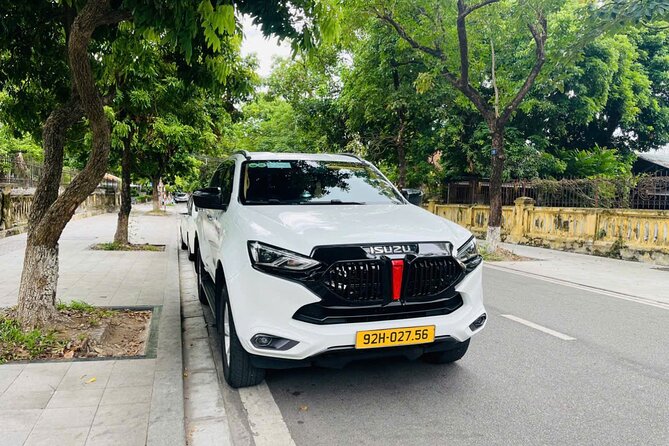
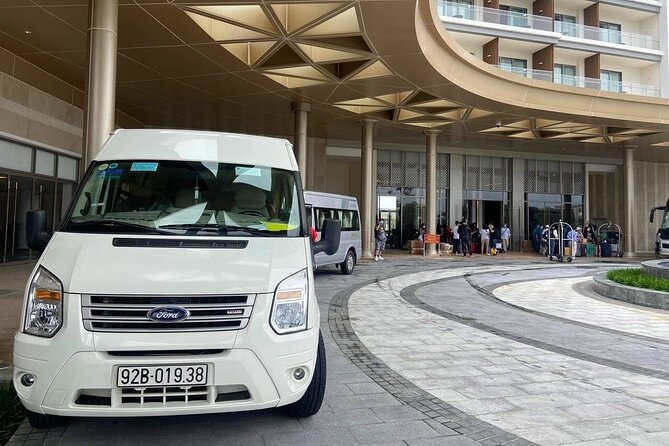



Hanoi, Vietnam
Walk past the immigration queue at Noi Bai Airport. A dedicated Sondax escort guides you through priority lanes — typically done in under 20 minutes.
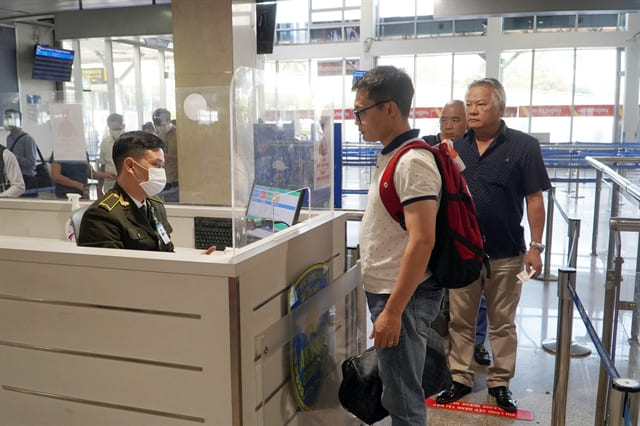
Ho Chi Minh City, Vietnam
Beat the immigration queue at Tan Son Nhat Airport. Our team escorts you through priority lanes — arrival or departure done in under 30 minutes.
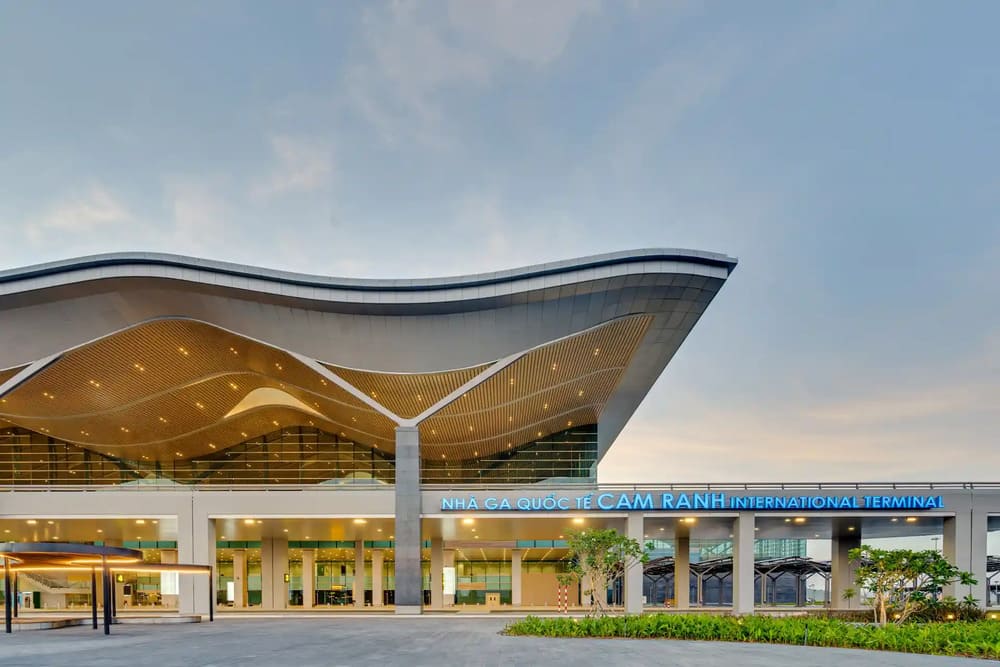
Nha Trang, Vietnam
Priority immigration clearance at Cam Ranh International Airport. Quick entry to Nha Trang.

Da Nang, Vietnam
Priority immigration clearance at Da Nang International Airport. Skip the queue and clear immigration quickly.

Phu Quoc, Vietnam
Priority immigration clearance at Phu Quoc International Airport. Fast entry to paradise island.