
Planning a trip to Ha Long Bay can feel overwhelming with countless cruise options, unpredictable weather, and confusing transport logistics. This guide breaks down exactly how to choose the right bay, verify vessel safety, avoid tourist traps, and experience the emerald waters and limestone karsts ethically and efficiently.
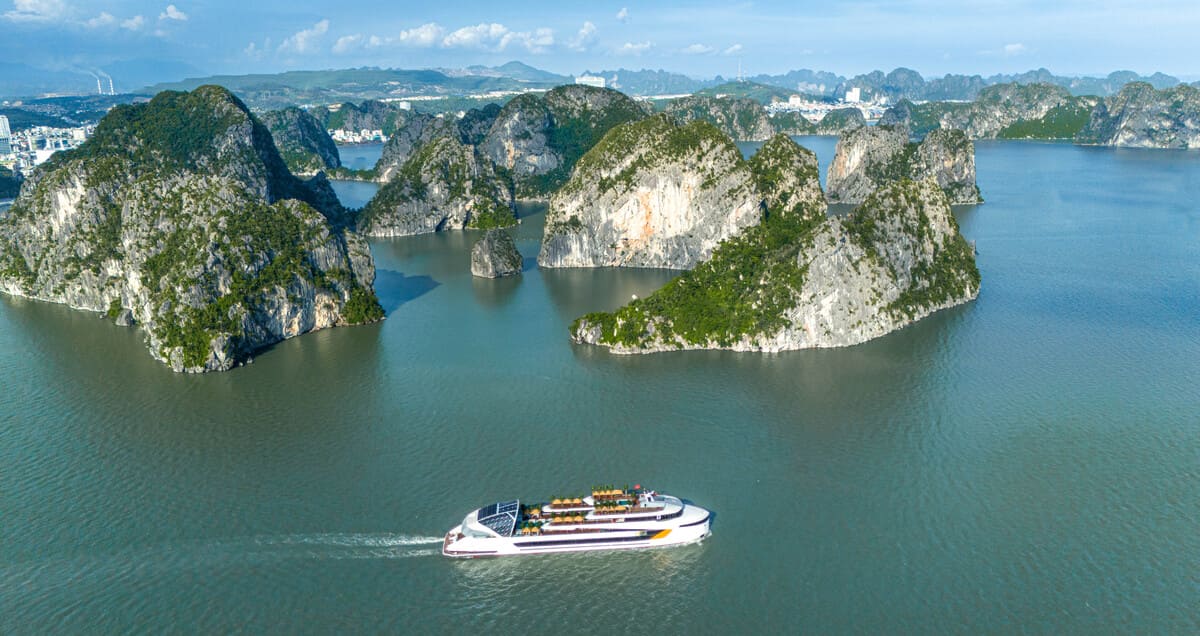
Ha Long Bay is a UNESCO World Heritage Site in Vietnam's Quang Ninh Province, renowned for its emerald waters, nearly 2,000 towering limestone islands, ancient caves, and unique floating fishing villages. Beyond its aesthetic appeal, the region holds immense geological significance spanning hundreds of millions of years.
.jpg)
The region is home to exactly 1,969 limestone karsts that stand as physical records of 500 million years of geological history. These towering pillars were shaped by millions of years of tropical weather and ocean activity, creating a striking topography unique to the Gulf of Tonkin. The core UNESCO-protected zone covers 1,500 square kilometers, requiring specific permits and routing plans for maritime vessels to enter and anchor.
Historical roots in this region run exceptionally deep. The ancient Hoabinhian culture relied on these sheltered waters and cavernous structures for survival thousands of years ago. Local folklore tells legendary tales of descending dragons that spat jewels into the sea, forming the jagged limestone pillars to block invading armadas from the north.
Furthermore, the intricate cave systems historically provided perfect hiding spots for ancient pirates patrolling the South China Sea trade routes. Today, visitors can walk through these exact caverns, observing massive stalactites and stalagmites formed over millennia.
.jpg)
📌 Expert Insight:
Good to know - Bring a crisp 200,000 VND note! The Dinh Huong (Incense Burner) islet featured directly on the bill's design is a highly popular photo-op while cruising through the main channels.
Yes, its dramatic UNESCO-listed seascape, ancient grottoes, and serene anchorages make it a bucket-list Vietnam highlight. While heavily trafficked in central areas, choosing alternative routing or multi-night voyages guarantees the tranquil and unforgettable maritime exploration you are seeking.
Many travelers worry that overtourism has ruined the bay's natural appeal. However, the sheer scale of the gulf means isolation is entirely possible if you book the correct itinerary. By sailing past the primary day-trip zones, you can still experience silent mornings surrounded by towering karsts without another vessel in your immediate vicinity.
.jpg)
The key to a worthwhile visit lies in strategic planning and managing your expectations regarding transport logistics. Avoiding the chaotic daytime rush hours at the international marinas ensures your trip begins on a relaxed note. Ultimately, the visual impact of the limestone pillars rising vertically from the dark emerald water remains unmatched anywhere else in Southeast Asia.
Selecting the right bay depends on your tolerance for crowds and desired activities; Ha Long is iconic but crowded, Lan Ha offers cleaner waters and adventure sports, while Bai Tu Long provides a secluded alternative. Each region requires distinct vessel permits and completely different port access logistics.
| Criteria | Ha Long Bay | Lan Ha Bay | Bai Tu Long Bay |
|---|---|---|---|
| Vibe | Heavily trafficked center | Trending alternative | Quietest, highly secluded |
| Crowds | Very High | Moderate | Low |
| Key Activities | Sung Sot Cave, large viewing points | Deep water soloing, clean swimming | Peaceful cruising, untouched karsts |
| Port Access | Tuan Chau International Marina | Got Pier / Beo Harbour | Hon Gai / Cam Pha Ports |
Ha Long Bay operates as the epicenter of the region's massive tourism industry. It features iconic, large-scale attractions like Sung Sot (Surprise) Cave and the panoramic viewpoint on Ti Top Island. Due to its intense popularity, you will share anchorages with dozens of other vessels, making it less suitable for travelers seeking absolute silence.
Lan Ha Bay serves as a highly sought-after alternative situated immediately south of the main bay. It forms part of the expanded UNESCO designation alongside the rugged Cat Ba Archipelago. It offers objectively cleaner water conditions for swimming and permits specialized adventure activities like deep water soloing.
Bai Tu Long Bay represents the quietest northeast option, protected by strictly limited vessel permits. This area is perfect for securing secluded spots and avoiding large tour groups entirely. Cruising here means you sacrifice access to the massive, famous caves, but you gain an exclusive, highly regulated maritime environment.
.jpg)
The ideal times to visit are March to May for sunny breezes, and September to November for clear skies. Winter months bring a moody mist, whereas June to August introduces heavy monsoons and a significantly higher risk of unexpected port closures.
Peak travel seasons naturally align with Spring (March–May) and Autumn (September–November). During these specific windows, you will encounter optimal cruising conditions with moderate temperatures, low humidity, and minimal rainfall. Because weather conditions are highly predictable, these months require booking your vessel at least three to four months in advance due to high international demand.
If you travel during the misty winter period of January, expect daytime temperatures hovering between 15°C and 20°C. This weather creates a dramatic, atmospheric environment that is perfect for professional photography and quiet morning Tai Chi on the sundeck. You will need a heavy windbreaker, as the sea breeze feels significantly colder when moving quickly between islands.
Summer carries distinct logistical risks, specifically from June to August. High temperatures are accompanied by severe tropical storms and sudden monsoons. Consequently, storm cancellations are dictated strictly by local port authorities for safety, not the cruise companies, meaning your itinerary can be paused without prior notice.
.jpg)
You can reach Ha Long Bay from Hanoi via a 170km expressway journey taking under three hours by bus, shared shuttle, or private car. Alternatively, flying into Hai Phong's Cat Bi Airport offers a faster 45-minute land transfer directly to the cruise terminals.
| Vehicle Type | Time | Cost ($) | Pros/Cons |
|---|---|---|---|
| Shared shuttle | 2.5 – 3 hours | $10–$20 USD | Cost-effective / Multiple hotel pickups delay departure |
| Luxury limousine | 2.5 hours | $30–$60 USD | High comfort, Wi-Fi / More expensive than standard buses |
| Private car | 2.5 hours | $80–$150 USD | Door-to-door, complete flexibility / Highest overall cost |
The modern Ha Long-Hai Phong Expressway revolutionized the regional transit experience, cutting the old four-hour, traffic-filled ride down to roughly 2.5 hours. Standard shared shuttles typically depart from Hanoi's Old Quarter between 8:00 AM and 9:00 AM. These 16-seat vehicles are highly cost-effective but involve navigating tight city streets for multiple hotel pickups, which easily adds 30 minutes to your transit time.
Luxury limousines utilize modified minivans equipped with plush, reclining leather seats, individual USB charging ports, and onboard Wi-Fi. This simple upgrade drastically improves your comfort level during the highway stretch through the Red River Delta. Private cars remain the premium choice, offering seamless door-to-door service and the total flexibility to dictate your exact departure time.
.jpg)
📌 Expert Insight:
Good to know - Seaplane services officially ceased operation in April 2026. If flying domestically or from Singapore, Cat Bi Airport in Hai Phong is absolutely your fastest land route to the departure port.
Booking a 3-day, 2-night (3D2N) voyage is the optimal choice to thoroughly absorb the environment, whereas budget-conscious travelers can utilize the Cat Ba Island backdoor for affordable day tours. Avoiding rushed day trips directly from Hanoi prevents deep exhaustion from excessive highway driving.
You should actively avoid standard day cruises departing directly from Hanoi. The six or more hours of exhausting round-trip highway driving leaves you with barely four hours actually on the water. This heavily rushed schedule forces operators to herd passengers through crowded cave attractions at breakneck speeds just to return to the harbor before sunset.
A 3-day, 2-night (3D2N) voyage is strongly recommended for foreigners. This extended duration allows you to stop optimizing every single minute and truly absorb the bay's natural rhythm. You will reach much deeper anchorages, experience two separate sunsets over the water, and successfully avoid the chaotic daily passenger turnover period at the primary marinas.
.jpg)
Independent travelers do not need to rely on expensive Hanoi-based travel agencies to access the water. Taking a direct bus and ferry combination from Hanoi directly to Cat Ba Island requires a bit more logistical effort but pays off immensely in savings. Once you arrive on the island, dozens of local operators offer localized, highly flexible Lan Ha trips.
📌 Expert Insight:
Good to know - Travelers can save up to 90% of the cost by taking a bus/ferry to Cat Ba Island independently and booking day tours for as low as $20 USD, rather than paying $300+ for Hanoi-packaged luxury cruises.
Top activities include cruising the emerald waters, exploring ancient grottoes like Sung Sot Cave, kayaking through secluded karsts, night squid fishing, and engaging in deep water soloing on nearby Cat Ba Island. Each distinct bay provides specific excursions tailored to either high-end relaxation or active adventure sports.
.jpg)
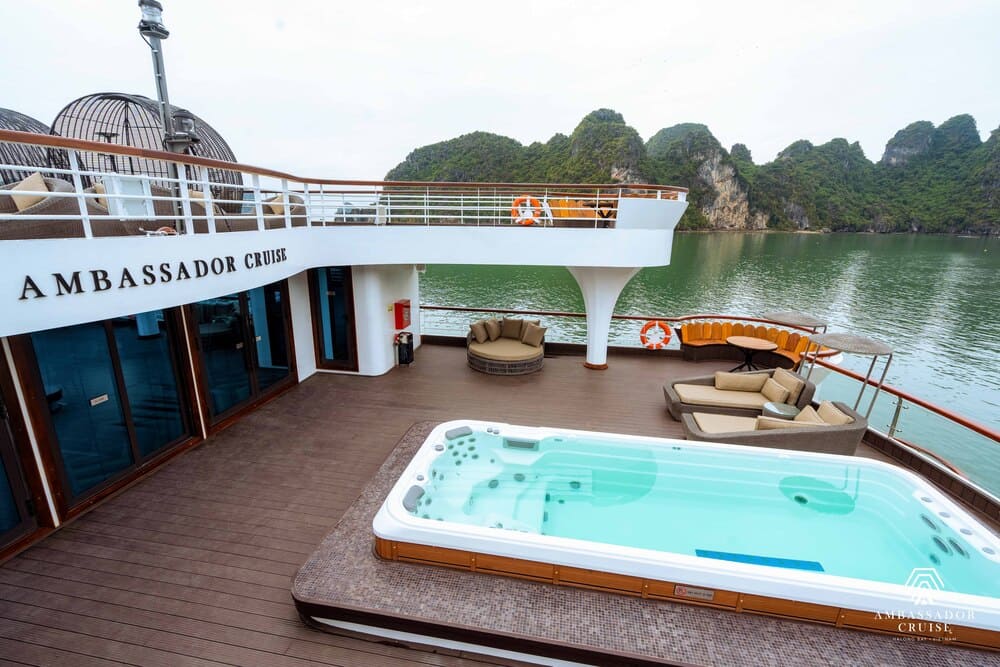
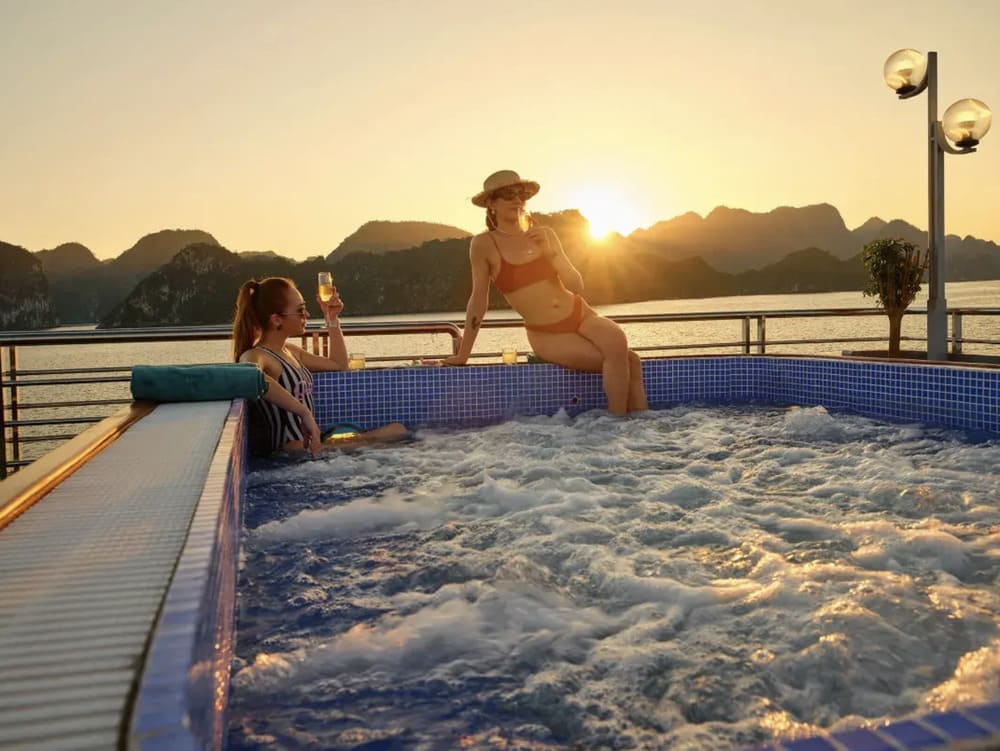
Wellness and cultural immersion are rapidly becoming central to premium cruising itineraries. You can utilize dedicated spa decks, enjoy entirely silent anchorages, or participate in modern farming tours with coastal cultivators. These slower-paced activities provide an excellent alternative to the traditional, overcrowded cave hikes that dominate basic tour packages.
.jpg)
Night squid fishing serves as a surprisingly absorbing evening activity for international guests. After dinner, crews lower exceptionally bright halogen lights toward the water to attract the squid, handing you simple bamboo rods. Even if you catch absolutely nothing, sitting over the dark water under the stars is highly therapeutic.
.jpg)
Deep water soloing remains best accessed via Lan Ha Bay for dedicated climbing enthusiasts. This high-adrenaline sport involves scaling vertical limestone faces without ropes, relying solely on the deep water below for a safe landing. You must book this activity through specialized, licensed climbing operators based strictly on Cat Ba Island to ensure proper tidal safety.
.jpg)
Foreign travelers must verify their vessel's safety by checking life-raft maintenance tags, engine room fire suppression systems, crew English proficiency, official marine tourism licenses, and overall vessel age. Taking proactive steps prevents you from boarding a hazardous, poorly maintained ship.
With stories of 'bribed inspections' regularly circulating in the regional maritime industry, verifying your vessel's actual safety is critical before booking any non-refundable tickets. First, physically check the life-rafts on the upper decks for visible, up-to-date inspection tags upon boarding. Next, ensure the engine room features a modern fire suppression system, which is often proudly noted on the operator's official deck plans online.
.jpg)
Clear communication during a crisis is entirely non-negotiable. The operational crew must clearly communicate emergency procedures in English during the mandatory safety briefing prior to harbor departure. Furthermore, verify the operator holds valid documentation issued directly by the Ministry of Culture, Sports and Tourism, rather than just relying on overwhelmingly positive TripAdvisor reviews.
Finally, scrutinize the vessel's specific age before handing over your credit card. You should actively avoid booking ships older than 15 years, as they carry significantly higher risk profiles for mechanical failure. Modern steel-hulled ships constructed within the last five years consistently offer superior stability and integrated safety technology.
📌 Expert Insight:
Good to know - Most cruises anchor in calm, highly sheltered waters, debunking the extreme seasickness myth. If prone to motion sickness, take non-drowsy medication exactly 30 minutes before leaving the harbor, as the initial departure is always the choppiest.
Ethical travel here requires verifying typhoon damage impact on local villages, practicing respectful cultural etiquette, and demanding proof of genuine environmental commitments. Spotting deceptive marketing ensures your tourism dollars support sustainable operations rather than exploitative, high-polluting companies.
.jpg)
The post-typhoon reality in the region requires careful navigation and respect for local recovery efforts. Cua Van Fishing Village was severely impacted by Typhoon Yagi in late 2024, altering many standard cruising routes and destroying local infrastructure. You must verify current accessibility and community readiness before booking Route 3 itineraries that heavily feature these floating settlements.
Practicing strict cultural etiquette is mandatory when interacting directly with maritime communities. Always ask for clear photo permission before photographing locals working on their aquaculture farms or repairing their nets. Additionally, you must actively avoid giving candy or money directly to children, as this heavily incentivizes them to abandon school in favor of begging from tourist boats.
Community support should be systemic rather than purely transactional. Choose cruise operators that actively hire local rowers at fair, documented wages to operate their small bamboo boats. Premium operators also source their seafood directly from local coastal cultivators, ensuring vital tourism revenue stays within the immediate provincial economy.
.jpg)
Many companies claim to be "eco-friendly" simply by asking you to reuse your bathroom towel. To spot true sustainability, ask operators directly if they possess onboard water filtration plants designed to completely eliminate single-use plastic bottles. Genuine green ships will consistently supply glass carafes refilled from a central, purified system.
Furthermore, actively inquire about their participation in official 'Halong Clean-Up' days. Fleets that dedicate paid staff and fuel to removing floating debris from the gulf demonstrate genuine environmental commitment. If the booking agent cannot provide photographic evidence of these specific practices, their green marketing is entirely fabricated.
.jpg)
Travelers need a $25 USD e-visa applied for via the official government portal, a local Viettel or Vinaphone SIM card for reliable data, and small cash denominations for tipping. Preparing these logistical elements in advance prevents costly border delays and communication blackouts on the water.
The Vietnam e-visa requirement is incredibly strict and rigorously enforced at all air and land entry points. It costs exactly $25 USD for a standard 90-day stay and must be applied for exclusively via the official government portal. Third-party agencies charging $50 or more are exploiting tourists for a digital service you can easily complete yourself in ten minutes.
.jpg)
Connectivity reality on the water is often highly disappointing for remote workers. Premium ship Wi-Fi is notoriously unstable once the vessel moves behind massive limestone formations that block satellite signals. To guarantee access, buy a physical Viettel or Vinaphone SIM (typically $5–$10 USD) at the airport upon arrival for reliable 4G data across the bay.
Finally, clearly understand the local tipping etiquette before you board your vessel. Customary rates sit firmly at $5–$10 USD per guest, per day for the general boat crew, usually placed in a communal box at the reception desk during checkout. If you hire a private guide for personalized onshore excursions, handing them $10–$15 USD directly shows appreciation for exceptional, localized service.
ảnh CTA (TA)
Best visited during dry season (November to April) for ideal weather.
Book accommodations in advance during peak travel season.
Carry local currency (Vietnamese Dong) for markets and small vendors.
Respect local customs and dress modestly when visiting temples.