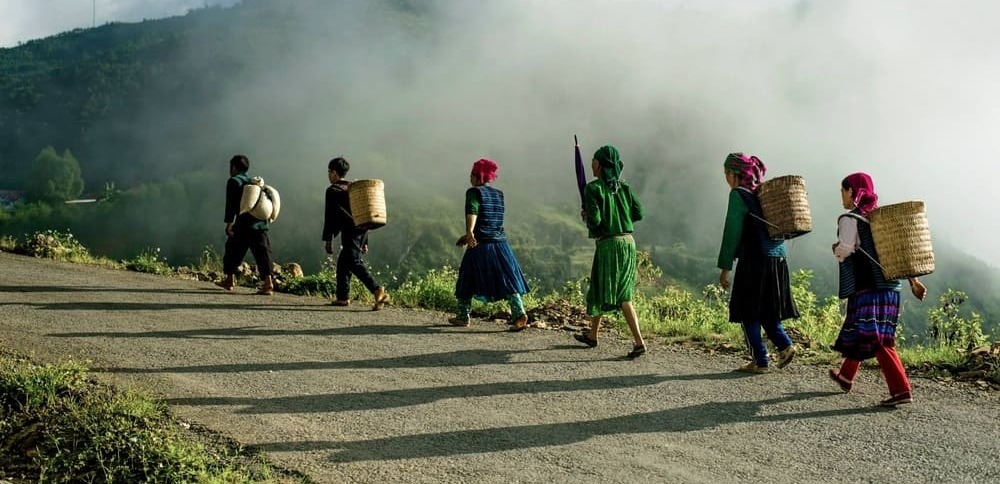

Between the logistical hurdles of motorbike travel and the importance of respecting ethnic minority traditions, there is a lot to consider. We’ve put together this guide to share the ground truth about the Ha Giang Loop. By focusing on practical safety facts and genuine cultural etiquette, we hope to help you move beyond the photos and experience the region with clarity and respect.
The Ha Giang Loop is a 350-kilometer motorcycle road trip through northern Vietnam's rugged karst mountains, sweeping valleys, and ethnic villages. It serves as the primary gateway to the UNESCO-recognized Dong Van Geopark and the sheer drops of the Ma Pi Leng Pass.
.jpg)
Riders tackle steep gradients and tight hairpin turns across varying elevations ranging from 800m to 2,000m above sea level. Consequently, the local climate and flora shift drastically within a single afternoon of driving. You will pass through dense, humid pine forests before emerging onto barren, jagged limestone plateaus that stretch toward the horizon. The geological formations here date back hundreds of millions of years, offering unparalleled geographical education.
You will experience jaw-dropping frontier territories immediately bordering the Chinese border. Military checkpoints operate constantly near the northernmost tip at Lung Cu Flag Tower, requiring visitors to carry their physical passports at all times. Furthermore, this extreme northern frontier remains largely untouched by heavy commercialization, demanding absolute self-sufficiency from travelers. You must bring personal medical kits and mechanical repair tools to handle sudden flat tires.
%20(1)(1).jpg)
Ha Giang is located approximately 320 kilometers north of Hanoi. Travelers can reach the city via overnight sleeper buses or daytime limousine minivans. The journey generally takes between 6 to 7 hours, depending heavily on highway traffic and seasonal weather conditions.
| Criteria | Sleeper Bus | Limousine Minivan | Private Taxi |
|---|---|---|---|
| Cost | $9 - $12 | $15 - $25 | $60 - $120 |
| Time | 7 - 8 hours | 6 - 6.5 hours | 5.5 - 6 hours |
| Pros | Cheap overnight transit; saves daylight hours | Spacious seating; comfortable daytime travel | Flexible departure; door-to-door service |
| Cons | Uncomfortable for tall travelers; noisy | Strict luggage limits; minimal stops | Expensive for solo travelers; booking required |
Sleeper buses provide cheap overnight transit to save valuable daylight hours for your riding itinerary. You generally board late in the evening from Hanoi's My Dinh Bus Station and arrive in Ha Giang city shortly before dawn. Local motorcycle rental shops frequently offer complimentary dormitory beds for these early arrivals. Consequently, you can rest for a few hours before the morning motorcycle handovers begin.
%20(1).jpg)
Conversely, limousine minivans offer spacious, comfortable seating for those who prefer daytime travel. These modified transit vans feature reclining leather captain's chairs, strong air conditioning, and individual USB charging ports. You can book these tickets easily through digital platforms like Vexere, ensuring your seat is reserved well in advance.
Ha Giang is highly popular but carries severe risks due to steep, winding mountain roads and unpredictable weather patterns. Tourists without advanced riding experience should hire an "Easy Rider" local guide to navigate the dangerous terrain safely and legally.
📌 Expert Insight:
Police checkpoints are extremely active. Most international travel insurance is completely void unless you possess a 1968 Convention International Driving Permit (IDP) and a valid home-country motorcycle endorsement.
Riding pillion with a licensed Easy Rider is the safest way to ensure your medical insurance remains valid during an accident. These local professionals possess extensive knowledge of blind corners, gravel patches, and erratic local driving habits. Consequently, choosing this option completely removes the legal anxiety associated with foreign vehicle operation. You can focus entirely on the surroundings rather than dodging heavy commercial trucks.
.jpg)
If driving yourself, expect heavy fines or immediate motorbike impoundments without proper legal documentation. Local police regularly establish strict roadblocks on the primary routes exiting Ha Giang city, specifically near the Bac Sum Pass. Without the exact 1968 Convention IDP paired with a heavy motorcycle license from your home country, authorities will halt your trip. They strictly reject the 1949 Convention IDP issued by countries like the United States or Australia.
Never ride after dusk under any circumstances. The rugged terrain completely lacks street lighting, while rockfall hazards and wandering cattle increase significantly as temperatures drop. Furthermore, dense mountain fog frequently rolls in during the late afternoon, severely reducing visibility on narrow cliffside passes. You must plan your daily mileage strictly to reach your homestay before sundown.
For digital nomads and independent navigators, Viettel currently offers the most reliable cellular signal on the high mountain passes. Competing carriers suffer from massive dead zones between major settlement areas. You must download offline regional maps via Google Maps before departing your hotel each morning. Additionally, dropping pins at your intended lunch stops ensures you never lose your bearing at unmarked dirt intersections.
.jpg)
The best time to visit Ha Giang is during the spring from March to May, or autumn from September to November. November offers the perfect balance of warm, dry riding days and pleasantly cool nights.
📌 Expert Insight:
Strictly avoid visiting from June through August; heavy monsoon rains create a high risk for dangerous landslides on mountain passes.
Pack highly breathable layers to handle drastic temperature shifts between deep valleys and exposed peaks. A thermal base layer paired with a high-quality, waterproof windbreaker serves far better than a single heavy jacket. Storage on a standard semi-automatic motorcycle is minimal, so strict prioritization is necessary. You should strap a single 15-liter drybag to the rear rack and leave oversized luggage back in Hanoi.
Bring a lightweight sleeping bag liner for musty homestay beds encountered in remote agricultural villages. A quick-drying microfiber towel is mandatory for natural waterfall swims or using shared communal bathrooms. Additionally, mount a GoPro directly to your helmet or chest harness to capture stabilized footage. Operating a handheld smartphone on these notoriously bumpy, pothole-riddled roads guarantees a catastrophic crash.
.jpg)
Top attractions along the route include the Dong Van Karst Plateau Geopark, Ma Pi Leng Pass, Quan Ba Heaven Gate, and the Tu San Gorge. The gorge officially ranks as the deepest canyon in Southeast Asia, plunging 800 meters into the Nho Que River.
| Criteria | Khau Vai Love Market | Sa Phin Market | Hmong King's Palace |
|---|---|---|---|
| Location | Meo Vac District | Sa Phin Valley (near Dong Van) | Sa Phin Valley |
| Cycle / Hours | Annually (27th day of 3rd lunar month) | Rotating six-day cycle | Daily (8:00 AM - 5:00 PM) |
| Key Cultural Highlights | Ex-lovers reuniting; traditional folk games | Trading livestock; local agricultural goods | Opium-trade era architecture; Chinese-Hmong design |
Experience the Sa Phin market's unique rotating six-day cycle, which shifts one day earlier each week. This ancient trading format dictates the rhythm of agricultural commerce for highly isolated communities. You will find locals trading water buffalo, wild medicinal herbs, and homemade corn wine before the sun peaks. Arriving by 6:00 AM guarantees you witness the heaviest trading volumes.
.jpg)
Observe the intricate, bright clothing of the local Hmong, Dao, and Tay communities gathered at these commercial hubs. Each ethnic subgroup utilizes specific indigo dyeing techniques and geometric embroidery patterns to signal their tribal heritage. Taking photographs is acceptable, but you must ask for clear permission first. Treat the residents with respect rather than viewing them as mere background props.
.jpg)
Engage in "Happy Water" social rituals with your guides and homestay hosts at dinner. This local rice or corn wine clocks in at a potent 35% to 45% ABV and forms the backbone of northern hospitality. Sharing these aggressive shots builds immediate rapport with the village elders. However, riders must practice strict moderation to guarantee complete sobriety for the next day's technical mountain descents.
You should stay in major stopover towns like Yen Minh, Dong Van, Meo Vac, and Du Gia to secure essential recovery amenities. Accommodation options range from cheap communal stilt-house homestays to specialized boutique lodges offering private rooms and hot showers.
📌 Expert Insight:
Always carry 2-3 days' worth of VND in cash. Rural ATMs in Dong Van or Meo Vac frequently run dry or reject international cards.
Recover from long, punishing rides with authentic Dzao medicinal herbal baths heavily concentrated in Nam Dam village. Local practitioners boil wild forest botanicals in large wooden barrels to soothe severe lower back and forearm fatigue. This therapeutic tradition remains a critical physical reset before tackling the steepest sections of the northern plateau. You typically soak for twenty minutes to achieve maximum muscle relaxation.
.jpg)
Opt for boutique stays like the Dao Lodge for traditional architectural elegance away from excessively noisy backpacker hostels. These elevated options provide thick western-style mattresses, reliable hot water pressure, and proper structural soundproofing. Consequently, you guarantee a restful sleep cycle instead of enduring late-night dormitory disruptions. Booking these premium rooms requires reservations at least three weeks in advance during the October peak season.
.jpg)
Ask about QR Code Payments (VNPay/Momo) setup for foreigners to bypass heavy ATM reliance. Many small highway vendors now display laminated QR codes for immediate, cashless bank transfers. Connecting your international travel card to a compatible digital payment gateway streamlines purchasing bottled water or emergency fuel. This tactic proves invaluable in isolated sectors where physical currency exchanges are impossible.
Digital nomads should actively seek out specific homestays equipped with Starlink or high-speed fiber networks for remote work stability. Standard rural Wi-Fi drops frequently during heavy mountain storms, immediately severing corporate server access. Verifying exact connection speeds via direct messages to the property manager prevents missed deadlines. You can easily maintain international client calls from Dong Van if you secure the right lodging infrastructure.
.jpg)
Choosing between northern Vietnam's premier destinations depends entirely on your physical stamina and desired mode of exploration. Ha Giang offers extreme motorcycle adventure, Sapa focuses on pedestrian mountain trekking, and Ninh Binh delivers relaxed flat-water boat navigation.
| Criteria | Ha Giang Loop | Sapa | Ninh Binh |
|---|---|---|---|
| Vibe | Extreme, rugged frontier | Cool, misty alpine retreat | Serene, tropical river valley |
| Physical Difficulty | High (Motorcycle endurance) | Moderate to High (Steep trekking) | Low (Sitting in rowboats; flat cycling) |
| Primary Transport | Manual/Semi-automatic motorbike | On foot; cable car | Sampan boat; bicycle |
| Authentic Culture Factor | Very High (Isolated villages) | Moderate (Heavily commercialized) | Low (Primarily natural scenery) |
.jpg)
Ha Giang demands significant mental and physical endurance, rewarding you with the most pristine ethnic culture in the country. The high barrier to entry keeps mass tourism strictly controlled, ensuring interactions remain highly authentic. Conversely, Sapa features heavy commercial development and aggressive street vendors. However, its iconic terraced rice fields remain undeniably impressive for dedicated hikers willing to walk deep into the Muong Hoa valley.
.jpg)
Ninh Binh serves as the perfect low-impact alternative for those exhausted by constant transit and logistical stress. You glide quietly through flooded limestone caves on rowboats rather than wrestling a heavy motorcycle around cliff edges. Furthermore, navigating Ninh Binh requires simple bicycle rentals on flat, paved paths. Ultimately, assess your personal risk tolerance and legal driving status before committing to the rigorous northern loop.
ảnh cta thế anh
Best visited during dry season (November to April) for ideal weather.
Book accommodations in advance during peak travel season.
Carry local currency (Vietnamese Dong) for markets and small vendors.
Respect local customs and dress modestly when visiting temples.
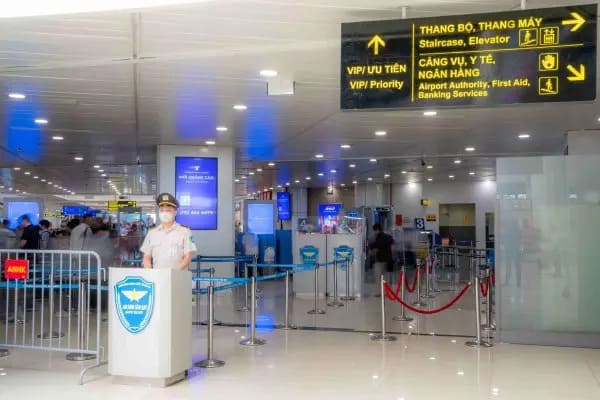
Hanoi, Vietnam
Walk past the immigration queue at Noi Bai Airport. A dedicated Sondax escort guides you through priority lanes — typically done in under 20 minutes.
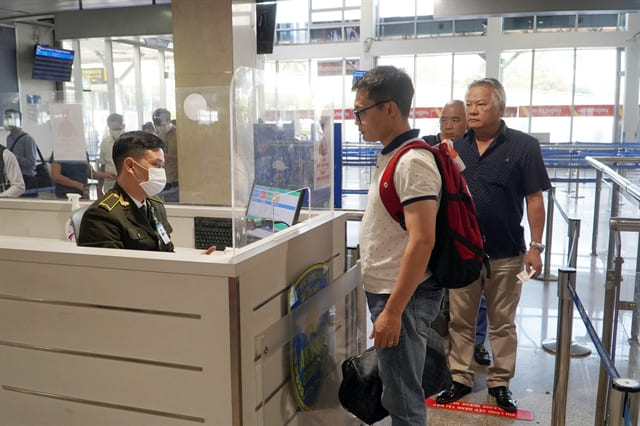
Ho Chi Minh City, Vietnam
Beat the immigration queue at Tan Son Nhat Airport. Our team escorts you through priority lanes — arrival or departure done in under 30 minutes.
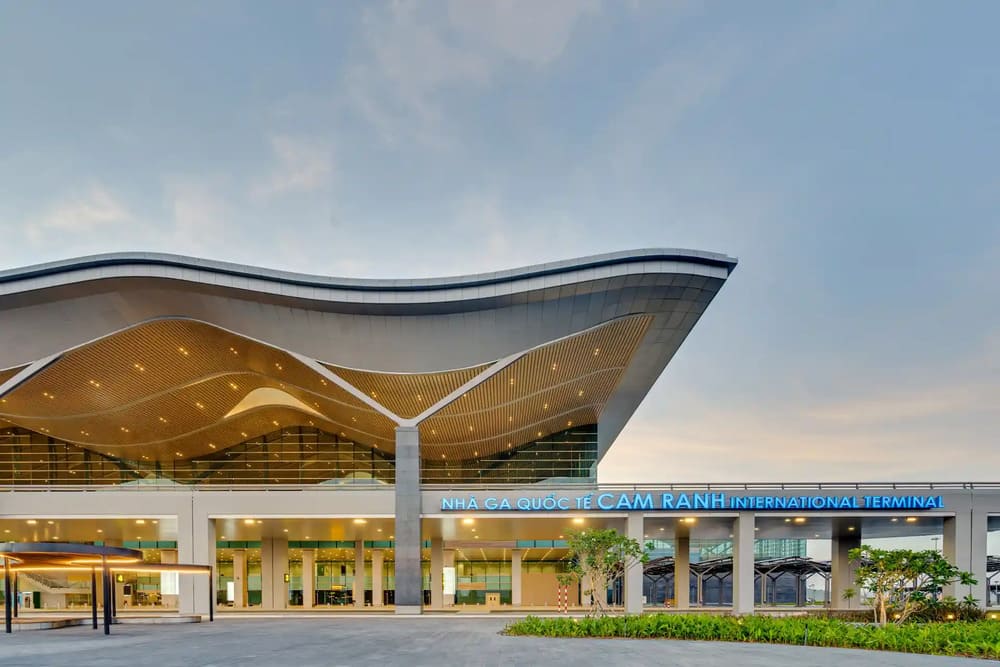
Nha Trang, Vietnam
Priority immigration clearance at Cam Ranh International Airport. Quick entry to Nha Trang.
Da Nang, Vietnam
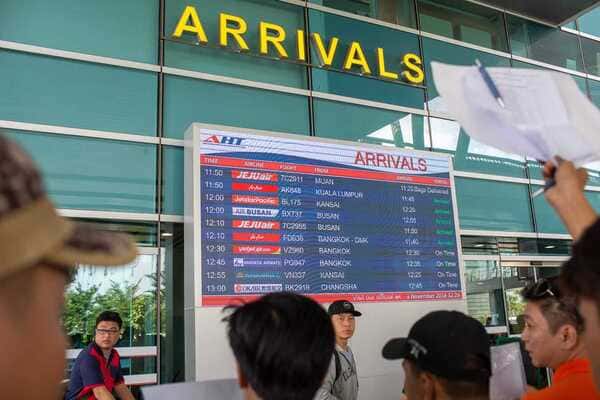
Priority immigration clearance at Da Nang International Airport. Skip the queue and clear immigration quickly.

Phu Quoc, Vietnam
Priority immigration clearance at Phu Quoc International Airport. Fast entry to paradise island.