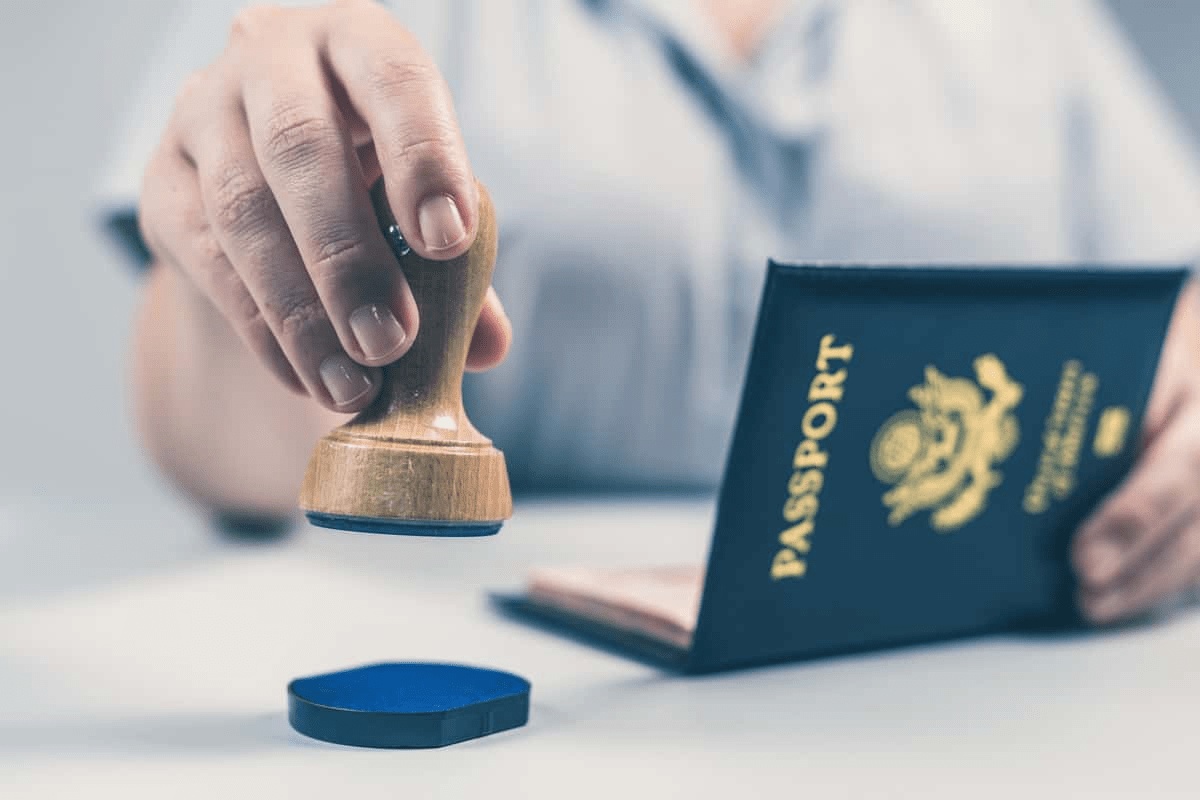

If you've been trying to figure out how to extend your stay in Vietnam, you already know the rules seem to change every other week. Since you can't just 'renew' a tourist visa from your couch anymore, you need a solid plan. This guide breaks down your actual options, including the DIY steps for an internal extension and our top picks for a stress-free visa run that won't break the bank.
A visa extension grants a stay permit stamp for a single-entry continuation without leaving Vietnam, whereas visa renewal, which issues a fresh sticker, is currently suspended. Therefore, official internal extensions or border visa runs are the only legal ways to stay longer and avoid severe overstay penalties.
Understanding this distinction is critical for your travel planning. An extension simply adds a new date to your existing visa status. It does not change your visa category or allow for multiple entries. If you overstay without an approved extension, you face fines ranging from 1.25 million VND to 2 million VND for less than 16 days, followed by potential blacklisting.
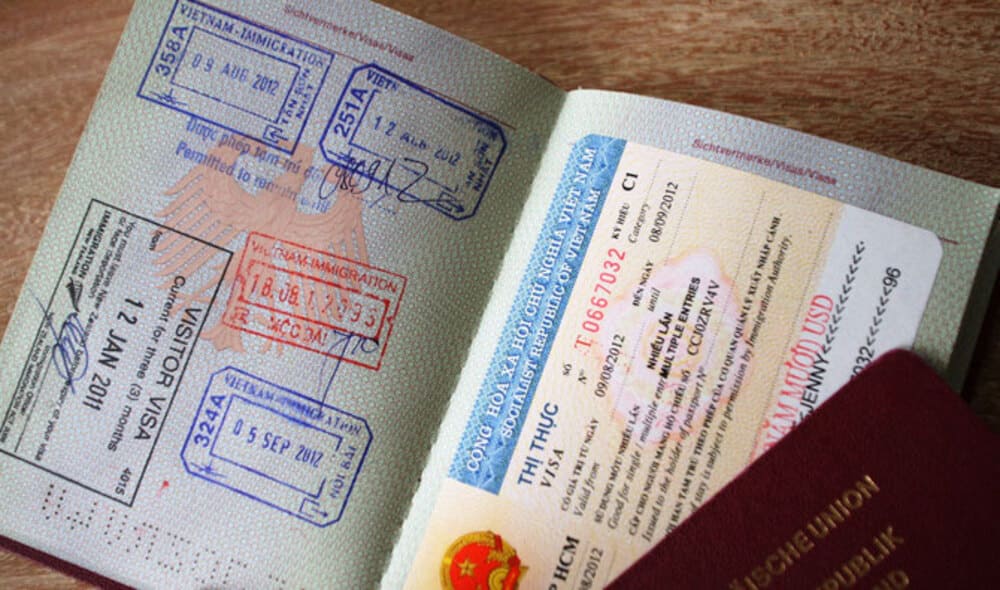
Because tourist extensions are suspended, the immigration department restricts internal processing to specific, sponsored visa categories. You must meet exact criteria before applying.
📌 Expert Insight:
Once you extend your visa, the extension is valid for single entry only. If you leave Vietnam for a weekend trip, the extension becomes void immediately and you will need a new visa to return.
.jpg)
Currently, standard tourist e-visas and ordinary visa exemptions cannot be extended from within the country. Tourists must perform a border visa run to legally reset their stay in Vietnam. Immigration regulations strictly enforce this rule, meaning you must physically exit and re-enter with new documentation.
If you entered Vietnam on a 30-day or 90-day e-visa (category EV), or a standard 15-day to 45-day visa exemption, local immigration offices will reject your extension application. Consequently, you must plan a short trip across a land border or take an international flight. You should apply for your new e-visa at least one week before your current visa expires, as the standard processing time is three to five working days.
.jpg)
If you hold a complex visa type or a legacy sponsor situation, using an agency might save time. However, immigration rules change frequently without public notice. Reliable visa agencies now utilize a strict pre-check protocol to verify your eligibility before charging fees.
📌 Expert Insight:
Before traveling to an immigration office or paying an agency, always send a photo of your current visa and passport data page via WhatsApp/email for a 'pre-check' to confirm eligibility under the latest rules.
To apply DIY and save agency fees, submit Form NA5 and proof of online temporary residence registration to an official Immigration Department. The standard processing time is typically five to seven working days. Ensure all your documentation is complete before arriving to avoid immediate rejection.
The DIY route is highly cost-effective for business visa holders and spouses of Vietnamese citizens. You bypass premium agency markups, which often add $50 to $100 USD to the official government fee. You must file the paperwork in person. If you are extending a DN (business) visa, your employer's legal representative must sign and stamp the NA5 document beforehand.
.jpg)
Immigration officers operate with strict checklists. Missing a single signature or photocopy will result in your application being denied at the counter.
📌 Expert Insight:
Temporary Residence Registration is the biggest DIY fail-point. Your landlord or hotel must register you with the local police via the online immigration portal before the office will even look at your application. Bring a printout or screenshot of this online confirmation.
You must visit the immigration office specific to your registered temporary address. Arrive 30 minutes before opening time to secure an early queue number.
| City | Exact Address | Operating Hours |
|---|---|---|
| Hanoi | 44-46 Tran Phu Street, Ba Dinh District | Mon-Fri: 8:00 – 11:30 & 13:30 – 16:00 Sat: 8:00 – 11:30 (Submissions only) |
| Da Nang | 78 Le Loi Street, Hai Chau District | Mon-Fri: 8:00 – 11:30 & 13:30 – 16:00 Sat: 8:00 – 11:30 (Submissions only) |
| Ho Chi Minh City | 333-335-337 Nguyen Trai, District 1 | Mon-Fri: 7:30 – 11:30 & 13:00 – 17:00 Sat: 7:30 – 11:30 (Submissions only) |
.jpg)
A visa run involves exiting Vietnam to neighboring countries such as Cambodia or Laos and re-entering with a newly approved e-visa, typically costing around 75 to 95 USD in total. This is a common solution for travelers who are not eligible for a Vietnam Visa Exemption or cannot extend their stay internally, as it allows a legal reset of their permitted stay duration in Vietnam.
You can execute a visa run via a cheap flight to Bangkok or Kuala Lumpur, but land border runs remain the fastest and most economical option. Before leaving your apartment, ensure your new Vietnam e-visa is fully approved and downloaded. When applying for the e-visa, you must select the exact land border checkpoint you plan to use for re-entry.
.jpg)
Executing a land border run requires a full day of travel. You will exit Vietnam, enter the neighboring country, process the foreign visa, immediately exit that country, and present your new e-visa to Vietnamese immigration.
| Route Strategy | Travel Time & Bus Cost | Pros & Cons |
|---|---|---|
| Moc Bai Border (from HCMC) | 2.5 hours each way $15 – $20 USD (Round trip) |
Pros: Fast, cheap, multiple daily buses. Cons: Highly crowded, requires Cambodia visa fee. |
| Cau Treo Border / Laos (from Hanoi) | 8+ hours each way $25 – $30 USD (Round trip) |
Pros: Straightforward Laos visa on arrival. Cons: Exhausting overnight mountain bus ride. |
.jpg)
When budgeting your trip, break down the strict financial requirements. Missing cash can lead to delays at remote border checkpoints. Expect the following fixed costs:
📌 Expert Insight:
Always print a physical copy of your new Vietnam e-visa. Additionally, prepare exact USD cash for the neighboring country's border agents (crisp, untorn bills) to avoid arbitrary 'processing fee' scams or poor exchange rates.
(1).jpg)
---Related Articles---
Best visited during dry season (November to April) for ideal weather.
Book accommodations in advance during peak travel season.
Carry local currency (Vietnamese Dong) for markets and small vendors.
Respect local customs and dress modestly when visiting temples.


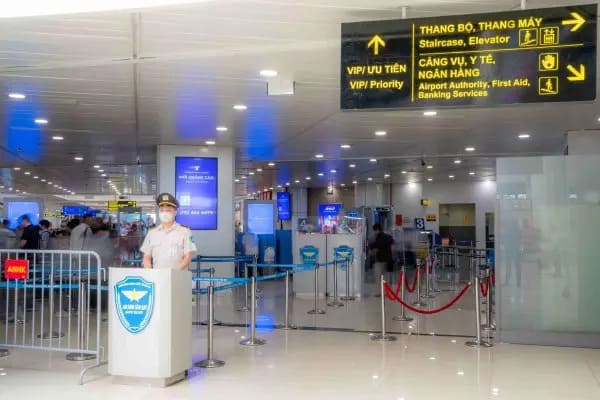
Hanoi, Vietnam
Walk past the immigration queue at Noi Bai Airport. A dedicated Sondax escort guides you through priority lanes — typically done in under 20 minutes.
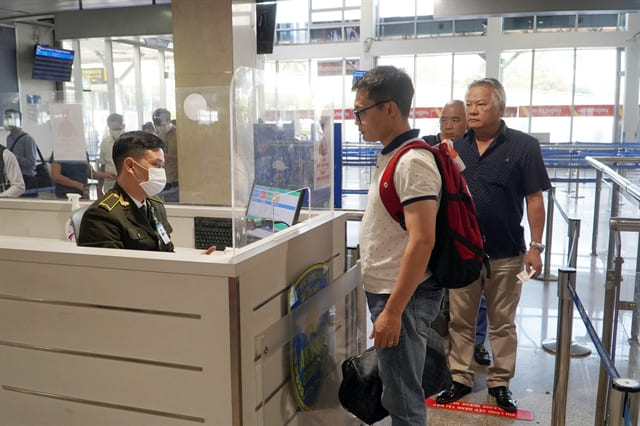
Ho Chi Minh City, Vietnam
Beat the immigration queue at Tan Son Nhat Airport. Our team escorts you through priority lanes — arrival or departure done in under 30 minutes.
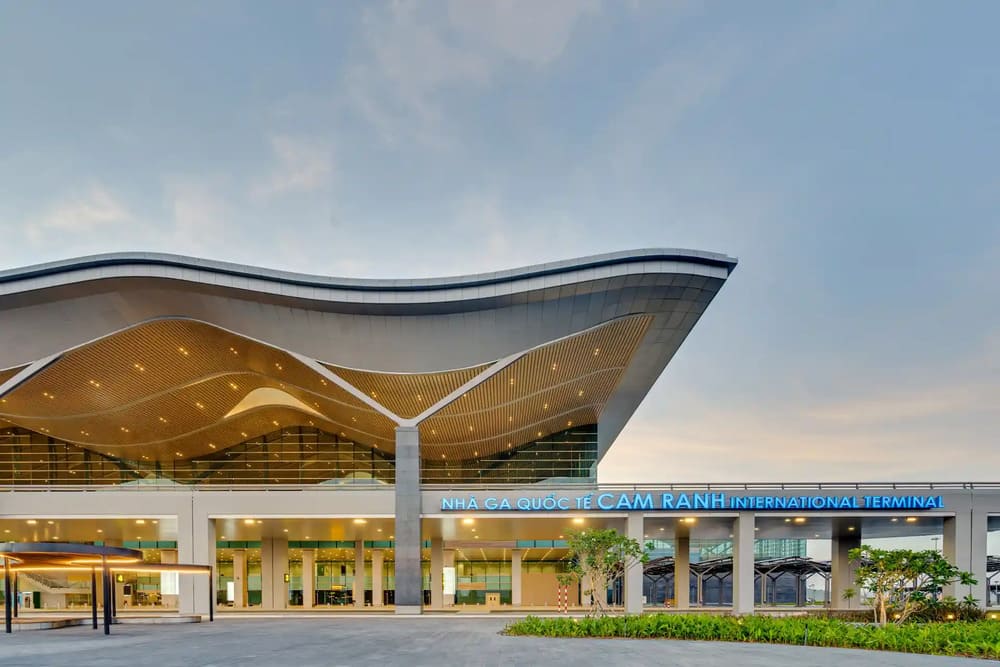
Nha Trang, Vietnam
Priority immigration clearance at Cam Ranh International Airport. Quick entry to Nha Trang.
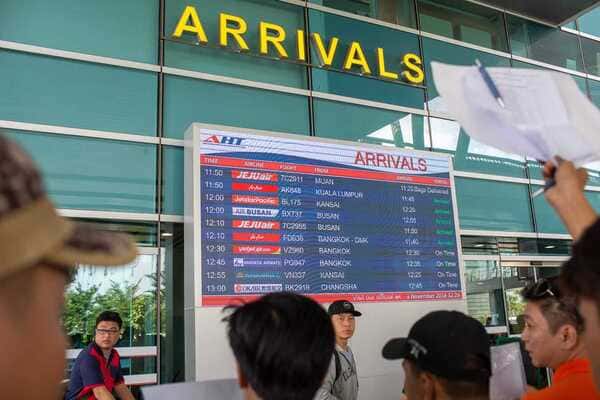
Da Nang, Vietnam
Priority immigration clearance at Da Nang International Airport. Skip the queue and clear immigration quickly.

Phu Quoc, Vietnam
Priority immigration clearance at Phu Quoc International Airport. Fast entry to paradise island.
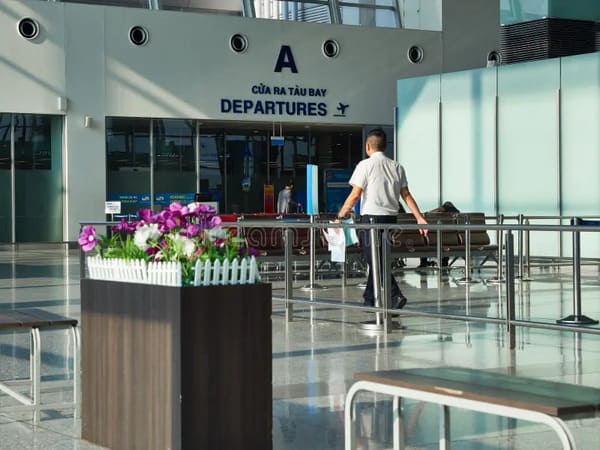
Noi Bai International Airport, Hanoi
Walk past the immigration queue at Noi Bai Airport. A dedicated Sondax escort guides you through priority lanes - typically done in under 20 minutes.
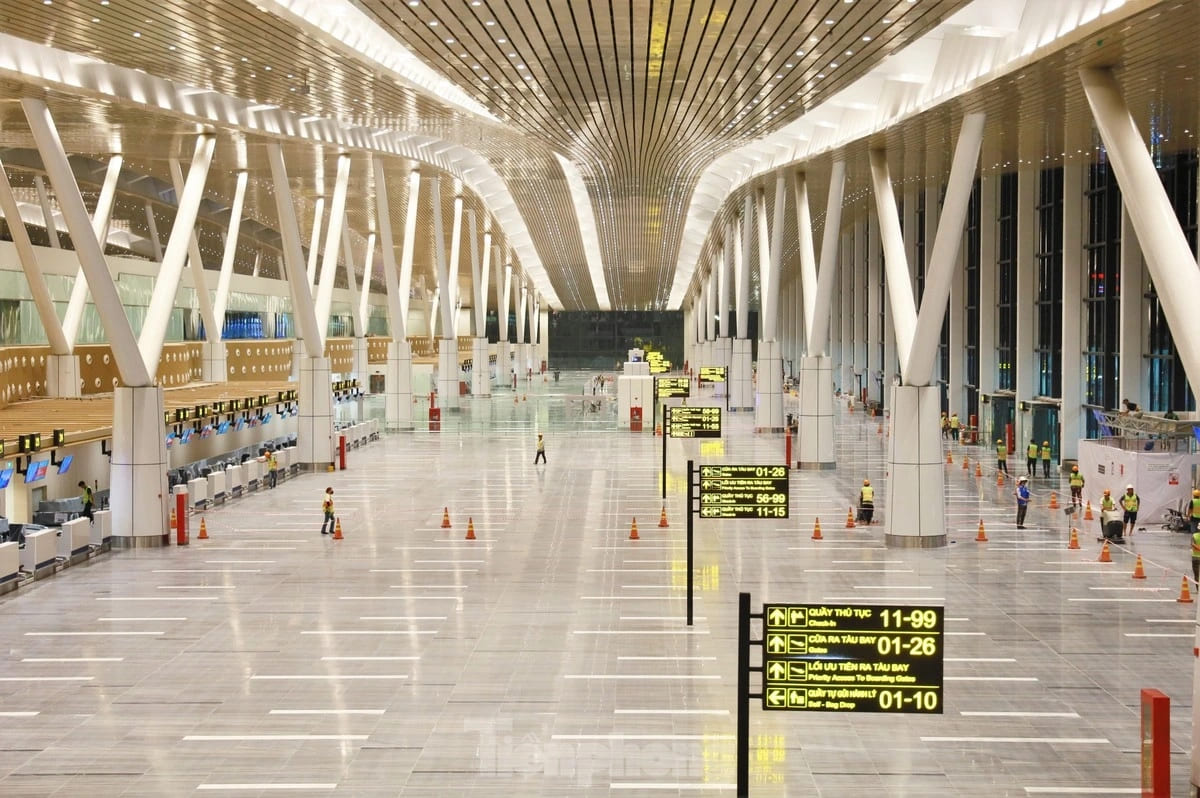
Tan Son Nhat, Ho Chi Minh City
Beat the immigration queue at Tan Son Nhat Airport. Our team escorts you through priority lanes — arrival or departure done in under 30 minutes.