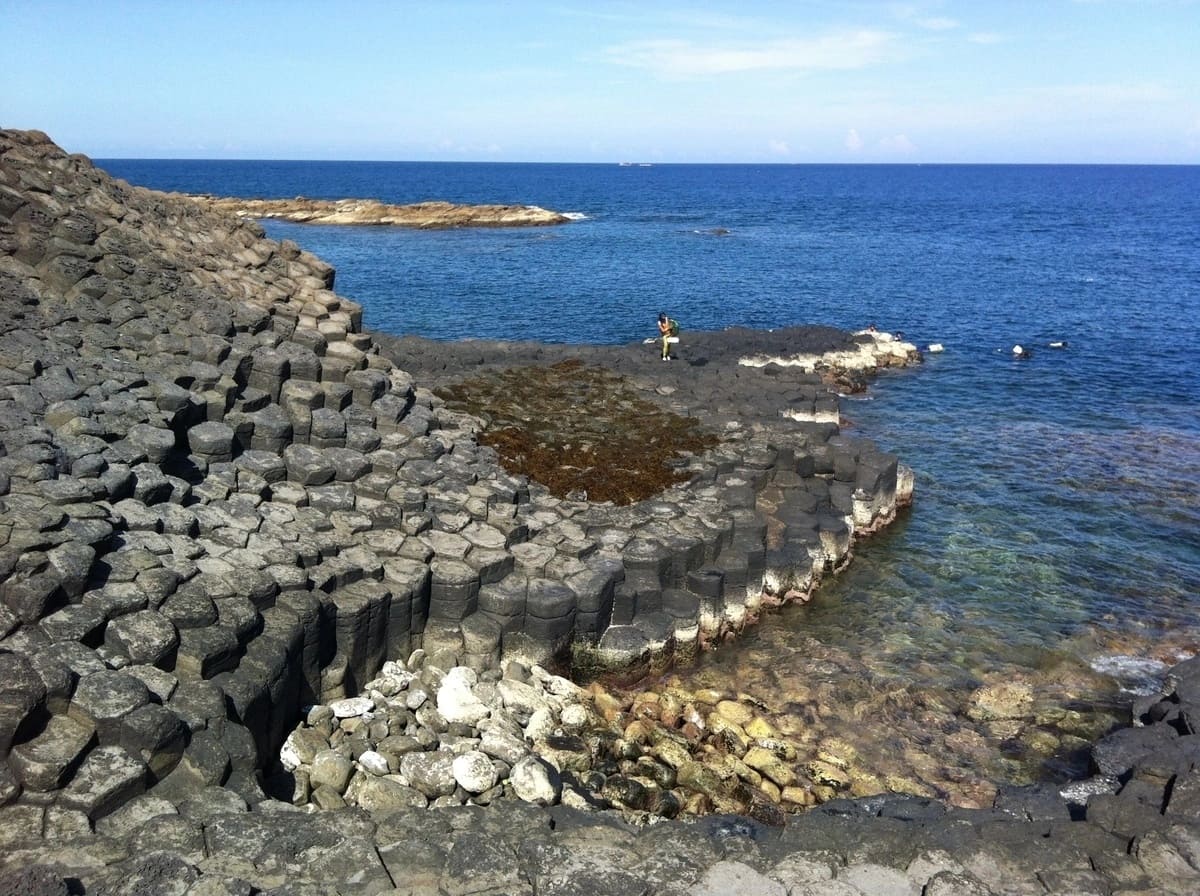

While the rest of the world is fighting for a spot on the beaches of Nha Trang or Da Nang, a raw and cinematic paradise is waiting just around the corner. Phú Yên Việt Nam is the last frontier of the central coast, a land of volcanic cliffs, empty horizons, and traditions that haven't been "sold" to the masses yet.
Phu Yen is renowned for its 200km raw coastline, Da Dia basalt reefs, cinematic yellow sunflower fields at Bai Xep, 11th-century Cham architecture, and distinctive seafood like tuna eyes. This province actively resists overdevelopment, offering an untouched alternative to Vietnam's heavily trafficked resort cities.
(1).jpg)
Understanding regional differences prevents mismatched expectations. Phu Yen sits directly between two major hubs, functioning as a strategic buffer zone for travelers prioritizing geography over commercial entertainment.
| Criteria | Phu Yen | Nha Trang | Binh Dinh (Quy Nhon) |
|---|---|---|---|
| Crowd level | Very Low (Primarily domestic tourists) | Extremely High (Mass international tourism) | Moderate (Growing domestic popularity) |
| Primary attractions | Basalt reefs, Cham ruins, remote beaches | High-rise resorts, islands, nightlife | Ky Co beach, Eo Gio cliffs, seafood |
| Vibe/Pace | Quiet, rural, cinematic, and slow-paced | Loud, commercial, and highly developed | Balanced, emerging cafe culture, coastal |
Choosing Phu Yen means you will not find endless strips of international fast-food chains or large nightclub districts. Instead, the province caters to visitors seeking uncrowded historical sites and authentic village dynamics. The regional government maintains strict zoning around its most significant ecological landmarks, ensuring the coast remains relatively pristine.
(1).jpg)
You can fly into Tuy Hoa Airport (TBB) from Hanoi or Ho Chi Minh City in 40-60 minutes for $85-$170. Alternatively, take a scenic train or sleeper bus. Taxis to the city center take 15-20 minutes and cost approximately $6.50 depending on your hotel.
Booking domestic flights early ensures the lowest fares, particularly around national holidays like Tet. If you prefer overland travel, the Reunification Express train stops directly at Tuy Hoa Railway Station, providing excellent ocean views along the southern segment. Sleeper buses offer a highly budget-friendly option, typically departing late at night from Ho Chi Minh City's Mien Dong bus station and arriving by dawn.
(1).jpg)
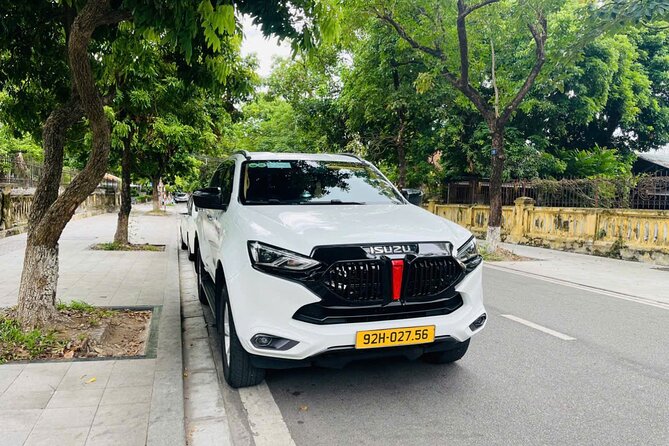
Exploring the wider province requires reliable transportation, as public bus networks rarely service remote rural areas. Motorbike rentals cost roughly $6 to $8 per day within the city center. Always request a thoroughly checked automatic or semi-automatic scooter, as coastal gradients can strain older engines.
(1).jpg)
📌 Expert Insight:
Good to know - If driving a motorbike along the south-central coast, Tuy Hoa offers the best mid-point mechanic stops and reliable English-speaking emergency help compared to remote stretches. Keep your fuel tank above half when leaving city limits.
The best time to visit is during the dry spring months from January to August. Early spring is ideal for mild weather and dynamic cultural events. Consider timing your arrival around the O Loan Lagoon boat racing festival on the 7th day of the Lunar New Year.
Your itinerary should dictate your exact travel dates. Beachgoers require clear skies and calm waters, which peak around June. Conversely, cultural enthusiasts might prefer the cooler, festive atmosphere of late January. Always monitor localized typhoon warnings if traveling near the end of the dry season.
(1).jpg)
Understanding the micro-climates of the south-central coast ensures you pack appropriately. The province experiences sharp temperature contrasts between the coastal plains and the elevated inland areas.
(1).jpg)
Top attractions include the honeycomb basalt columns of Da Dia Reef, Bai Xep beach featured in 'Yellow Flowers on Green Grass', O Loan Lagoon, Hon Yen Island's floating lobster farms, and the ancient Nhan Tower.
Structuring your daily routes geographically prevents exhausting backtracking across the province. Group northern sites like Da Dia Reef and Mang Lang Church into one full-day itinerary. Reserve a separate afternoon for the southern coastal areas to capture optimal sunset lighting.
Phu Yen's topography differs sharply from the southern deltas. The province features jagged sea cliffs dropping directly into the ocean, interspersed with quiet, unpatrolled coves. Strong seasonal currents mean you must always assess water conditions before swimming.
(1).jpg)
.jpg)
.jpg)
The historical footprint of the Champa Kingdom remains deeply embedded in the region. These sites demand respectful attire; ensure your shoulders and knees are covered when entering religious zones.
.jpg)
.jpg)
.jpg)
Essential dishes include O Loan Lagoon blood cockles, banh canh he (chive soup), bun cha ca, and the famous ocean tuna eyes. For a milder taste, try the region's crispy, smaller version of banh xeo and fried chicken rice.
Central Vietnamese cuisine typically relies heavily on spice and complex fermentation. However, Phu Yen balances this with exceptionally fresh seafood that requires minimal seasoning. Local dining leans toward open-air establishments where the atmosphere remains intensely casual.
Navigating local menus requires an open mind. Many regional dishes utilize ingredients discarded by Western kitchens, transforming them into nutrient-dense delicacies. Street stalls along Le Duan Street offer prime testing grounds for these culinary adventures.
.jpg)
If extreme dining sits outside your comfort zone, the region provides excellent approachable alternatives. Banh canh he features a rich mackerel broth topped with a dense layer of finely chopped green chives. You can find excellent bowls near the central Tuy Hoa market for roughly $1.50.
.jpg)
📌 Expert Insight:
Good to know - O Loan Lagoon is the premier spot to eat fresh seafood right by the water. Try the steamed mackerel scad or oyster porridge for distinctly lighter, fresher alternatives to northern Vietnamese preparations.
Accommodation in Phu Yen ranges from basic homestays to high-end coastal villas, with prices sitting significantly lower than neighboring beach destinations. You must choose between staying in the practical Tuy Hoa city center or retreating to isolated coastal properties.
City hotels provide immediate access to night markets, pharmacies, and reliable transport networks. Coastal resorts, while objectively more luxurious, often require you to eat solely at their in-house restaurants due to geographic isolation. Review the table below to align your budget with the appropriate tier.
.jpg)
| Criteria | Budget (Homestays) | Mid-Range Resort | Luxury Villa |
|---|---|---|---|
| Typical Cost (Per Night) | $43 USD | $120 USD | $463 USD |
| Typical Amenities | Private room, basic AC, scooter rental assistance | Ocean views, communal pool, inclusive breakfast | Private plunge pools, spa access, fine dining |
| Proximity to Tuy Hoa Center | Highly central, walking distance to street food | Usually 10-15 minutes outside the city | Up to 45 minutes away (e.g., Zong Xuan Bay) |
When calculating your total trip costs, allocate funds for site entry fees, motorbike fuel, and dining. A mid-range traveler should expect to spend around $50 to $70 per day excluding flights and accommodation. Luxury travelers utilizing private car hires will easily push daily expenses past $150. Always carry small denomination Vietnamese Dong, as digital payments remain spotty outside the main city center.
CTA TA
Best visited during dry season (November to April) for ideal weather.
Book accommodations in advance during peak travel season.
Carry local currency (Vietnamese Dong) for markets and small vendors.
Respect local customs and dress modestly when visiting temples.