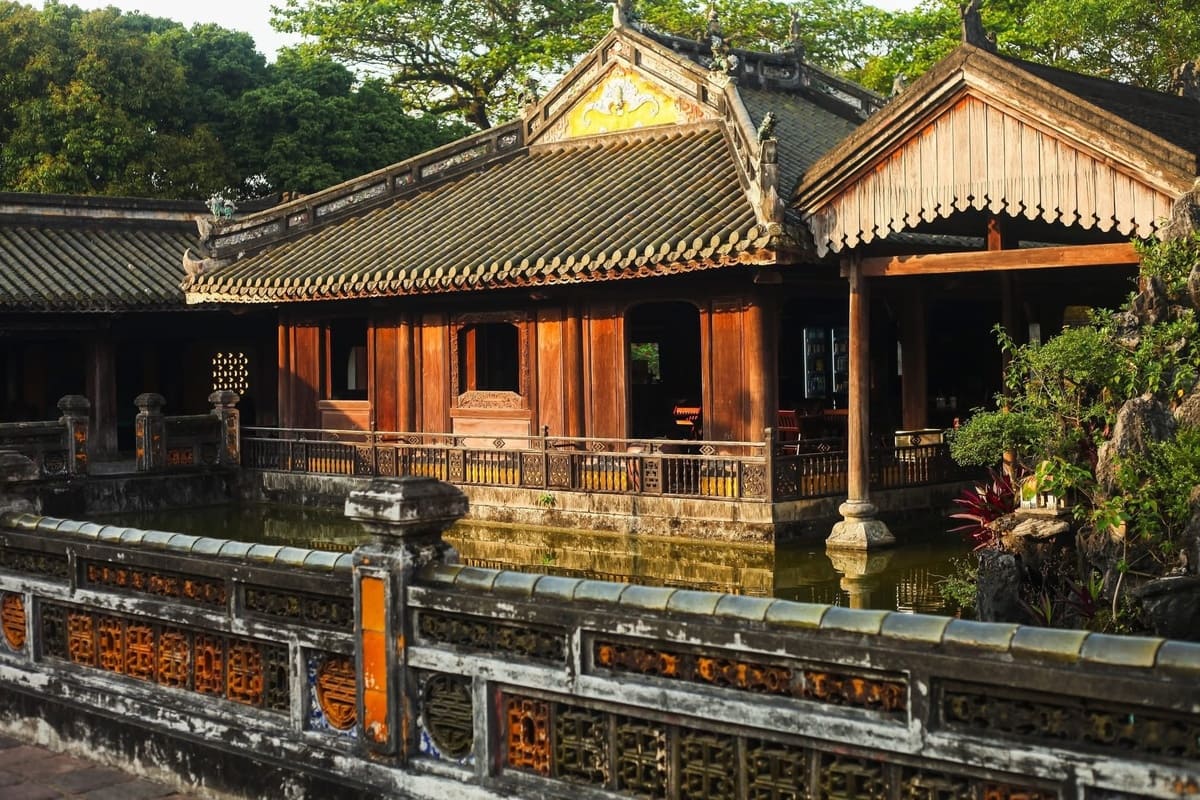

Hue is a city where history breathes on every corner and the food tells a story of royalty. If you want to experience the poetic soul of Central Vietnam away from the modern crowds, this guide is for you. From watching the sunset over the Perfume River to hunting down the best authentic bowl of Bun Bo Hue, here is how to explore Hue like an insider.
Hue's Imperial City operates as a UNESCO World Heritage Site enclosing the Imperial Citadel, the Forbidden Purple City, and several dynastic palaces. This walled fortress spans 520 hectares along the northern riverbank and served as the political center for the Nguyen Dynasty for exactly 143 years. Enter through the U-shaped Ngo Mon Gate to reach Thai Hoa Palace, an architectural marvel built with 80 solid ironwood pillars supporting a complex crab shell-style roof. The royal court strictly reserved this central corridor for the reigning emperor.
.jpg)
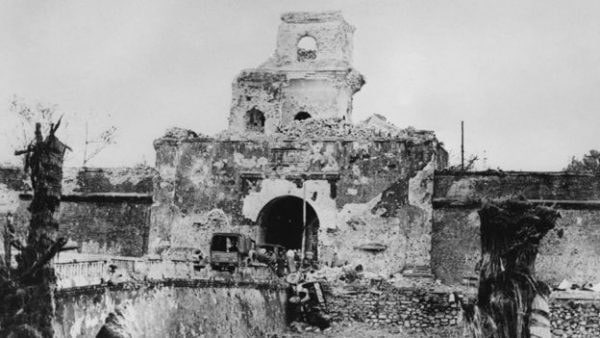
Bombing during the 1968 Tet Offensive destroyed roughly 80 percent of the inner structures within the Forbidden Purple City. Today, government restoration crews rebuild the remaining foundations using traditional masonry techniques and historically accurate lacquering. Allocate at least two hours to walk the 10-kilometer perimeter walls. Stand beside the Nine Holy Cannons near the entrance, which workers cast in 1803 from confiscated bronze weapons to represent the four seasons and five natural elements.
Commit two to three full days to explore Hue properly. One day limits you to the central Imperial Citadel and a rushed 45-minute dragon boat ride on the Perfume River. Adding a second day lets you cluster the Nguyen Dynasty Royal Tombs, specifically the Khai Dinh and Minh Mang mausoleums located 10 kilometers away in the southern hills. A third day opens time for modern ruins like Thuy Tien Lake, the $3 million abandoned waterpark, and localized food tours.
.jpg)
Pacing matters heavily when confronting central Vietnam's intense daytime heat. Use your early mornings for highly exposed sites like the sprawling Tu Duc tomb complex. Save the tree-lined riverside walks and enclosed pagoda visits for the afternoon when temperatures routinely breach 35 degrees Celsius. If you hold a tight transit schedule between Hanoi and Da Nang, two nights provide a sufficient 48-hour window to cover the primary historical zones without physical exhaustion.
The Perfume River anchors the city's geography, running 30 kilometers to divide the historical northern bank from the modern southern districts. Rent a bicycle to follow the newly paved paths lining both sides of this central waterway. Drive 15 kilometers northeast across the Thuan An bridge to reach the 52-square-kilometer Tam Giang Lagoon. Local fishermen harvest shrimp and crabs here daily, creating an active maritime economy clearly visible from the shoreline.
.jpg)
Look south to navigate the Hai Van Pass route toward Da Nang. Stop at Elephant Springs 53 kilometers from Hue city center to swim in clear mountain runoff pools surrounded by massive boulders. Continue further to reach the white sands of Lang Co beach before climbing the 21-kilometer mountain pass. You can book a direct train ride from Hue to Da Nang to view the ocean cliffs from a secure railway car.
.jpg)
Hue commands respect for a distinct imperial cuisine initially developed to satisfy Nguyen Dynasty royal court demands. Chefs created over 1,000 separate dishes during this period, focusing on complex table presentation and smaller individual portions. You must try Bún bò Huế, a spicy beef noodle soup infused with lemongrass, pig knuckles, and fermented shrimp paste. Walk into Dong Ba Market near the Tran Hung Dao street entrance to find crowded local stalls serving massive bowls for 40,000 VND ($1.55).
.jpg)
.jpg)
Eat Bánh bèo, steamed rice cakes topped with dried shrimp, scallions, and fried pork crackling served in tiny shallow ceramic bowls. Com hen (clam rice) provides a direct traditional connection to rural Central Vietnam. Cooks mix room-temperature rice with stir-fried baby clams, roasted peanuts, star fruit, and fresh herbs, pouring hot clam broth over the top just before serving. Grab a bowl at the specialized clam stalls on Hen Islet (Con Hen) for 25,000 VND ($1.00).
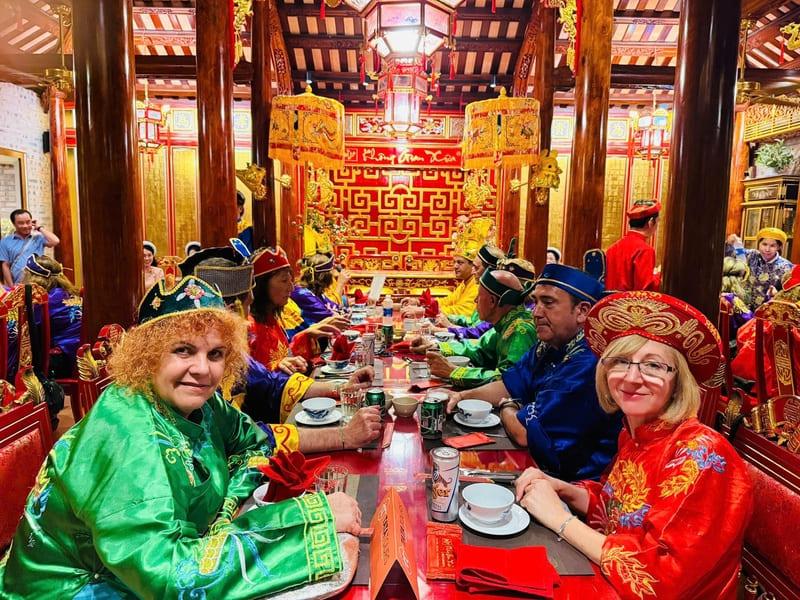
The city stages the biennial Hue Festival, an international event focusing heavily on Vietnamese heritage and royal history. Planners coordinate traditional music performances, contemporary art exhibitions, and elaborate royal ceremonies inside the historical venues of the Imperial City. Ticket prices range from 100,000 VND to 300,000 VND ($3.95 to $11.80) for individual evening performances during the six-day schedule.
Smaller localized celebrations and Buddhist observances maintain a consistent calendar throughout the year. The seven-story Thien Mu Pagoda serves as the primary focal point for Vesak Day, commemorating the birth of Buddha. Monks lead massive candlelit processions along the Perfume River banks during this lunar holiday. Arrive before 6:00 AM on festival days to observe the morning chanting rituals without fighting the afternoon tour bus crowds.
.jpg)
.jpg)
Grouping sights by location prevents you from paying multiple 150,000 VND ($5.90) taxi fares to cross the same bridge twice. The northern bank holds the Imperial City, the Hue Museum of Royal Antiquities, and An Dinh Palace within a dense, walkable grid. The southern hills contain the major royal mausoleums spread across several kilometers of winding, poorly marked access roads. The Perfume River serves as the physical dividing line between these historical zones.
| Tomb | Cost USD | Time | Best for | Watch out for |
|---|---|---|---|---|
| Tu Duc Tomb | $5.90 (150,000 VND) | 90 minutes | Poetic lakes and pine forests | Long walking distances between pavilions |
| Minh Mang Tomb | $5.90 (150,000 VND) | 60 minutes | Strict architectural symmetry | Zero shade on the main ceremonial courtyard |
| Khai Dinh Tomb | $5.90 (150,000 VND) | 45 minutes | Intricate glass and ceramic mosaics | 127 steep concrete stairs to reach the entrance |
.jpg)
Look beyond the primary historical zones to stretch your travel budget. The outer edges of the city contain structures that rarely see large tour groups.
📌 Insider note:
Security guards officially block the main gate of the Thuy Tien Lake Abandoned Waterpark. Drive your scooter to the dirt path 200 meters south of the entrance. Hand a local guard 20,000 VND ($0.80) in cash, and he will wave you through the pine trees directly to the rotting dragon structure.
.jpg)
Calculating daily costs in central Vietnam requires factoring in the high entrance fees for dynastic sites. While street food and guesthouse lodging remain cheap, spending $20 per day on individual tomb tickets destroys a strict backpacker budget fast. Buy the 530,000 VND ($20.85) combo ticket at your first stop if you plan to visit the Citadel plus three specific royal tombs. This route saves you roughly 15 percent compared to individual gate prices.
| Budget Tier | Cost USD | Accommodation | Food | Activities |
|---|---|---|---|---|
| Budget | $25 - $35 | Hostel dorm bed near Pham Ngu Lao ($6) | Street food stalls and Dong Ba Market ($8) | One tomb ticket and free pagoda visits ($10) |
| Mid-range | $60 - $90 | Boutique hotel with pool in French Quarter ($35) | Sit-down imperial cuisine restaurants ($20) | Combo ticket and Grab taxi rides ($25) |
| Luxury | $150+ | Azerai La Residence riverside suite ($120+) | Fine dining and hotel breakfast buffets ($50) | Private guided vehicle and Perfume River cruise ($80) |
.jpg)
Self-driving a rented scooter offers the cheapest method to reach the scattered tombs, but navigating the aggressive traffic circles near the Truong Tien Bridge demands prior Asian driving experience. Hiring a private car with an English-speaking driver for four hours costs approximately 600,000 VND ($23.60) and eliminates parking logistics entirely. For vegetarian travelers, booking a specialized Vegetarian Food and Nightlife Tour by Motorbike with a female guide offers deep cultural insight compared to exploring independently. These four-hour evening tours typically cost $45 and secure access to unmarked family kitchens cooking strict Buddhist recipes.
The Hue Imperial Citadel opens daily from 8:00 AM to 5:30 PM throughout the year. As of this year, foreign adult visitors pay exactly 200,000 VND ($7.85) for single-entry admission at the Ngo Mon Gate ticket booth. Purchase a combination pass if visiting additional tombs to save money.
A dedicated shuttle bus departs Phu Bai International Airport following all domestic flight arrivals. The 15-kilometer journey costs 50,000 VND ($1.95) per person and terminates near the central Vincom Plaza. Private Grab vehicles complete the same route in 30 minutes for roughly 250,000 VND ($9.85).
Guards at the Thien Mu Pagoda and the royal tombs strictly enforce a conservative dress code. You must wear clothing that covers your shoulders and extends below your knees. Carry a lightweight sarong in your daypack to wrap over shorts before approaching the ticket turnstiles.
Hue preserves 19th-century royal and military architecture spread across a massive geographic footprint requiring motorized transport. Hoi An protects a highly concentrated 15th-century mercantile trading port built strictly for walking. Hue holds 143 years of imperial political weight, while Hoi An reflects diverse international merchant influences.
Heavy monsoon rains flood low-lying streets between October and December, severely disrupting transport routes to the royal tombs. Traffic accidents represent the highest daily risk. Always wear a helmet when riding motorbikes and refuse rides from cyclo drivers demanding additional payment at the end of a trip.
CTA TA
Best visited during dry season (November to April) for ideal weather.
Book accommodations in advance during peak travel season.
Carry local currency (Vietnamese Dong) for markets and small vendors.
Respect local customs and dress modestly when visiting temples.