
Independent travelers often reach the An Suong Bus Station only to realize no transit signs are in English. Navigating rural transfers toward the Moc Bai border requires knowing exactly how to communicate your destination. The difference between getting stranded with unauthorized drivers and a simple $2 transit is having exact translation phrases. This guide gives you those phrases.
Tây Ninh is primarily recognized as the birthplace of Caodaism, featuring the Cao Dai Holy See established in 1926 under the guidance of Pham Cong Tac. The religion's 100-hectare operational center blends European, Asian, and Islamic architectural elements into a massive worship complex.
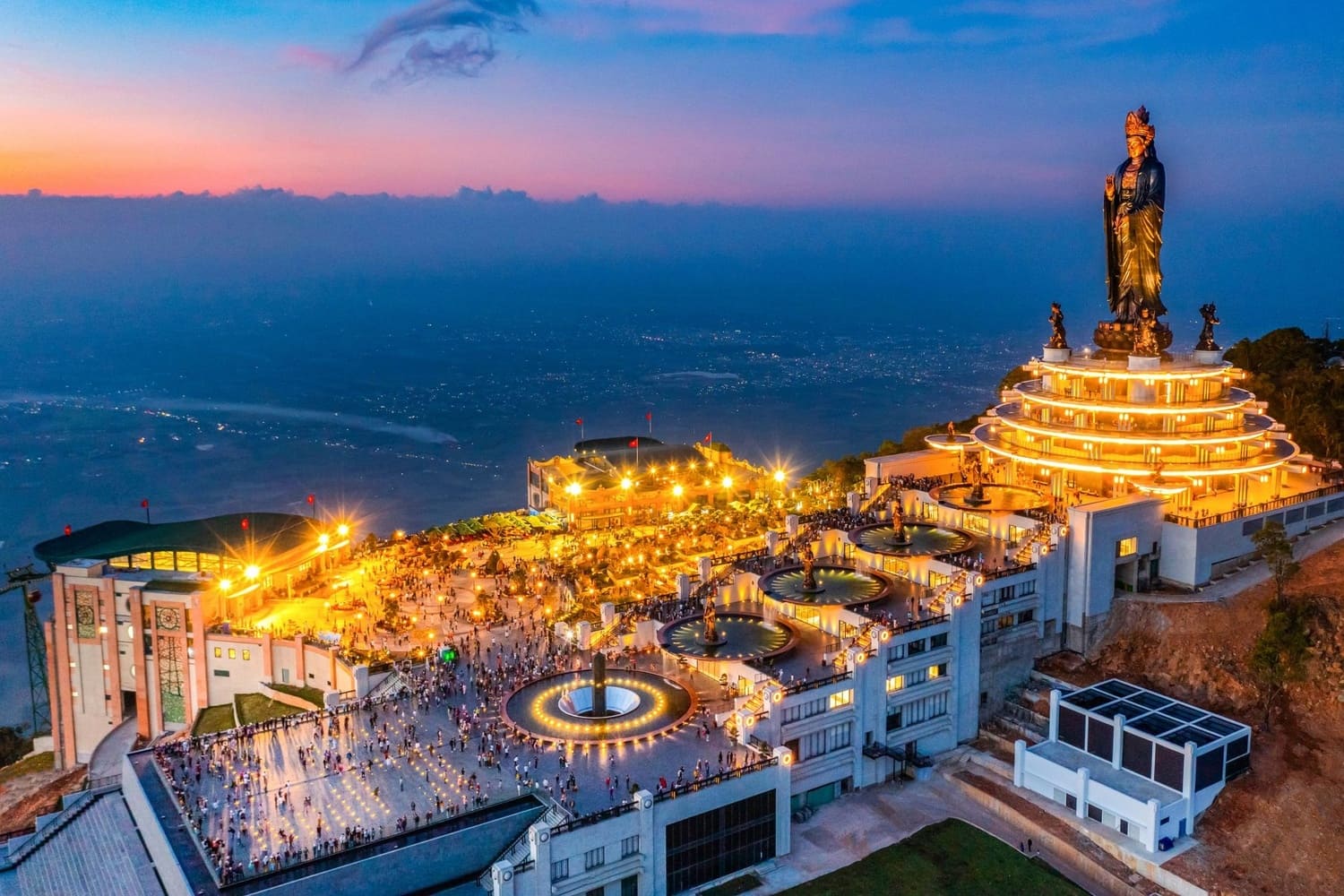
Additionally, the province hosts Ba Den Mountain. Rising 986 meters above the surrounding agricultural plains, it stands as the highest peak in southern Vietnam. The granite mountain serves as a major Buddhist pilgrimage destination, drawing hundreds of thousands of devotees annually to its network of cliff-side pagodas and modern summit temples.
.jpg)
Tay Ninh is located in southwestern Vietnam, functioning as a vital transit corridor within the Southeast administrative region. It serves as a terrestrial bridge connecting the flat waterways of the Mekong River Delta to the higher terrain of the Central Highlands. The province shares a 240-kilometer international border with Cambodia along its western and northern edges. This boundary houses the busy Moc Bai International Border Gate, the primary overland crossing point for commercial trucking and passenger buses traveling between Ho Chi Minh City and Phnom Penh.
.jpg)
No, Tay Ninh is not in Ho Chi Minh City. It operates as an independent province and capital city situated 95 kilometers northwest of Ho Chi Minh City's central business district. While frequent transit options link the two areas, Tay Ninh maintains its own provincial government and infrastructure.
The cities are connected primarily by National Route 22, a multi-lane highway carrying heavy freight and passenger traffic. This direct highway access makes Tay Ninh a highly popular overland day-trip destination for travelers based in District 1.
.jpg)
Tan Son Nhat International Airport (SGN) in Ho Chi Minh City is the closest commercial aviation hub to Tay Ninh, located approximately 95 kilometers southeast of the provincial center. Overland transit from the airport arrivals terminal to Tay Ninh city takes roughly 2.5 to 3 hours driving. Private cars and buses exit the airport perimeter and immediately merge onto National Route 22 for the straight drive northwest. Tay Ninh province does not operate any domestic or international airstrips.
.jpg)
.jpg)
Transit safety checklist for the Moc Bai Border Gate:
Screenshot these exact phrases to show ticket agents and drivers when transferring through rural terminals:
.jpg)
While you can take wide-angle architectural shots from the upper balconies, strict photography bans apply in specific zones. Cameras are strictly prohibited for taking close-up portraits of worshippers while they kneel in prayer. Furthermore, smartphones and cameras are entirely banned inside the main altar zones containing the Divine Eye globe on the ground floor. If a guard catches you photographing the inner sanctuary, they will force you to delete the files from your device immediately.
.jpg)
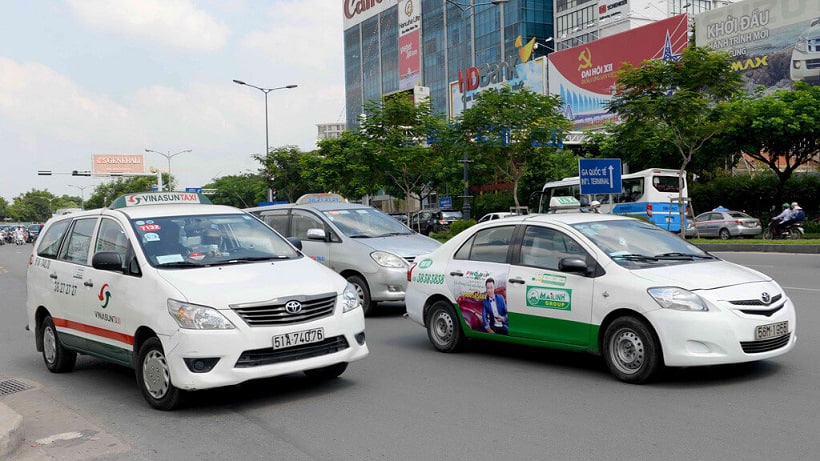
Ba Den Mountain is situated 11 kilometers northeast of Tay Ninh city center. Travelers typically access the tourist area at the base by hailing an official Mai Linh taxi, renting a motorbike from their hotel, or riding a local provincial bus. Once at the base station, visitors bypass the strenuous multi-hour jungle hike by utilizing the Sun World Ba Den Mountain cable car system, a European-engineered transit network that transports passengers directly to the summit.
| Line Name | Destination Station | Duration | Primary Attraction | Ticket Price (Round Trip) |
|---|---|---|---|---|
| Van An Line | Summit Station (986m) | 8 minutes | Giant Ba Den bronze statue and viewing deck | 400,000 VND ($15.75) |
| Chua Hang Line | Ba Pagoda Complex | 5 minutes | Hang Pagoda and historic Buddhist shrines | 250,000 VND ($9.84) |
| Tam An Line | Connects Ba Pagoda to Summit | 5 minutes | Direct transit between the two spiritual zones | 400,000 VND ($15.75) |
.jpg)
Plan your mountain ascent for a Saturday evening to witness the sacred lantern offering ritual. Thousands of visitors gather on the plaza at the 986-meter peak to assemble paper lotus lanterns, write personal prayers on the petals, and place them into the central water feature illuminated by thousands of LED lights. If you visit during the optimal cloud-hunting period from July to October, arrive by 5:00 PM. This timeframe lets you watch thick fog roll over the granite peak just as the artificial lighting activates across the statue plaza.
.jpg)
| Attraction | Distance from City | Travel Time | Best for | Watch out for |
|---|---|---|---|---|
| Dau Tieng Lake | 20 km east | 40 minutes | Overnight camping and sunset paddleboarding | Sudden afternoon rainstorms muddying the dirt access roads |
| Lo Go - Xa Mat National Park | 30 km northwest | 60 minutes | Bird watching and observing rare dipterocarp forests | Dense mosquito populations near the Cambodian border line |
| Binh Thanh Ancient Tower | 15 km southeast | 30 minutes | Viewing intact 8th-century Champa brick architecture | Limited English signage explaining the construction techniques |
| Southern Central Committee Base | 60 km north | 90 minutes | Exploring Vietnam War underground bunker history | Long transit times requiring a dedicated half-day trip |
.jpg)
CTA TA
Major hotels like Vinpearl Hotel Tay Ninh and larger restaurants in the city center readily accept international Visa and Mastercard payments. However, you must carry Vietnamese Dong in cash for local street food vendors like Banh canh Nam Dung, rural public bus fares, and smaller markets near the border.
Tipping your guide is not legally required but locals highly appreciate the gesture in Tay Ninh. Handing your guide a standard gratuity of 100,000 to 200,000 VND ($3.94 to $7.87) per day rewards excellent service, especially when they help you navigate complex historical sites or dense translation barriers.
Dengue fever poses a known risk across Tay Ninh province, particularly during the heavy rainy season lasting from July to October. Malaria risks remain statistically low in the urban center but increase significantly if you hike near dense forested boundaries like the Chang Riec Forest and Lo Go-Xa Mat National Park.
A standard metered taxi ride from central Tay Ninh down to the Moc Bai border gate costs between 350,000 and 450,000 VND ($13.78 to $17.72). You can negotiate private car transfers ahead of time with your hotel, or ride local bus Route 703 for a much cheaper alternative.
Non-believers are fully permitted to observe the complex Caodaist prayer services inside the Holy See. Temple administrators encourage tourists to attend the daily 12:00 PM mass, provided you adhere strictly to the provincial dress code and remain completely quiet in the designated upper balcony observation areas during the chanting.
Best visited during dry season (November to April) for ideal weather.
Book accommodations in advance during peak travel season.
Carry local currency (Vietnamese Dong) for markets and small vendors.
Respect local customs and dress modestly when visiting temples.