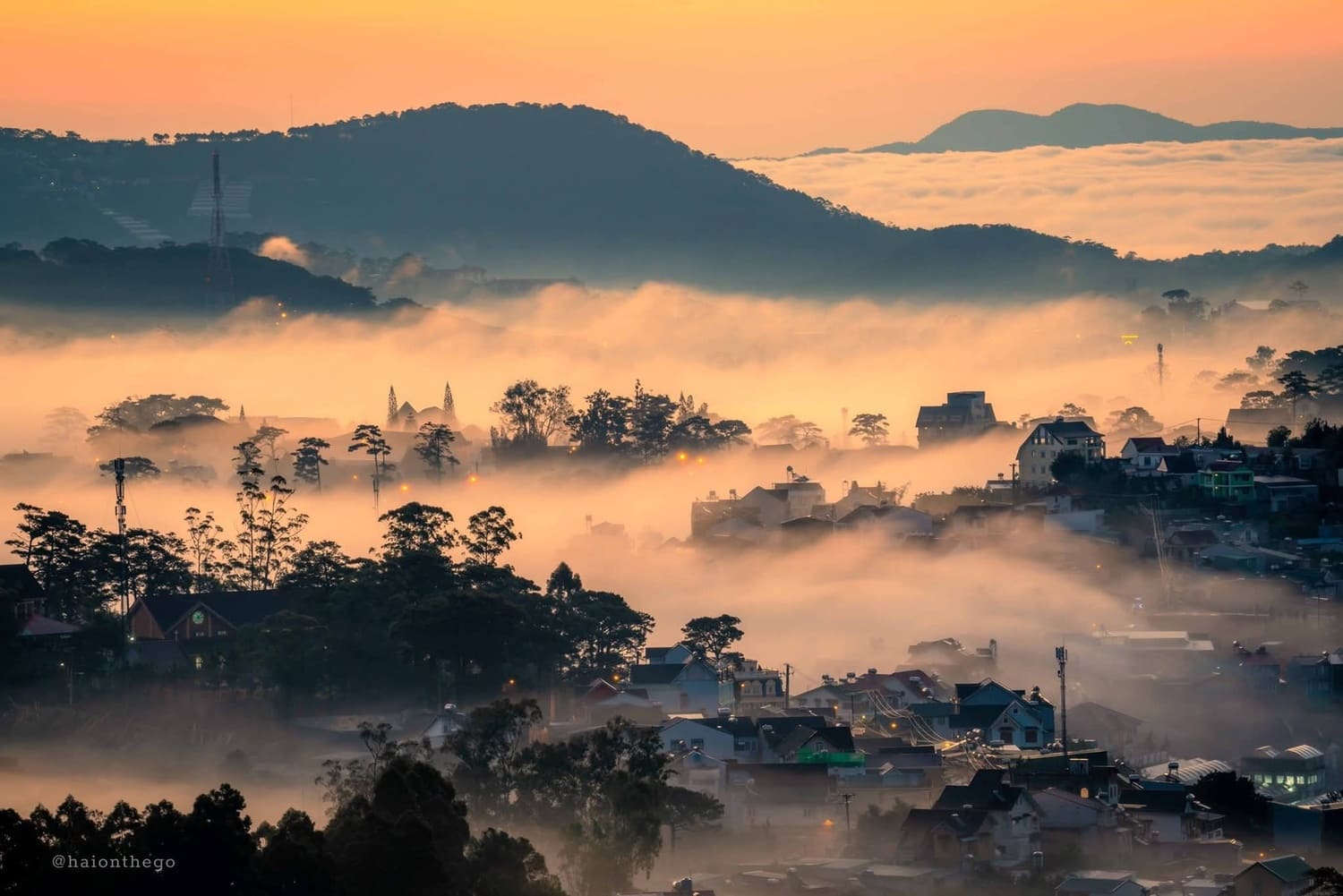
The Datanla New Alpine Coaster's wait line at the bottom waterfall regularly stretches past 40 minutes because the top section opens an hour earlier. Most travelers waste their temperate mountain getaway standing in preventable queues or struggling to blindly navigate steep, moisture-slicked pine forest roads. This guide reclaims your itinerary.
Dalat is famous for its temperate climate, French colonial architecture, and agricultural production. Established in 1897 by Swiss-French bacteriologist Alexandre Yersin as a high-altitude hill station, the city in the Central Highlands produces flowers, Arabica coffee, and temperate vegetables for export throughout Southeast Asia and Lam Dong Province.
The city's unique geography creates an anomaly in tropical Vietnam. At 1,500 meters above sea level, Dalat skips the intense heat of the coastal lowlands and the distinct seasonal extremes of the north. Instead, farmers harvest strawberries, artichokes, and persimmons year-round across terraced plots that dominate the landscape just outside the urban grid.
.jpg)
You will spot the architectural legacy of the early 1900s along Tran Hung Dao Street, where dozens of restored French villas feature steep pitched roofs, stone fireplaces, and vaulted ceilings designed to mimic the aesthetics of a European alpine village. The combination of this colonial layout, the dense pine forests, and the thriving agriculture sector makes Dalat the primary supplier of fresh produce to Ho Chi Minh City supermarkets.
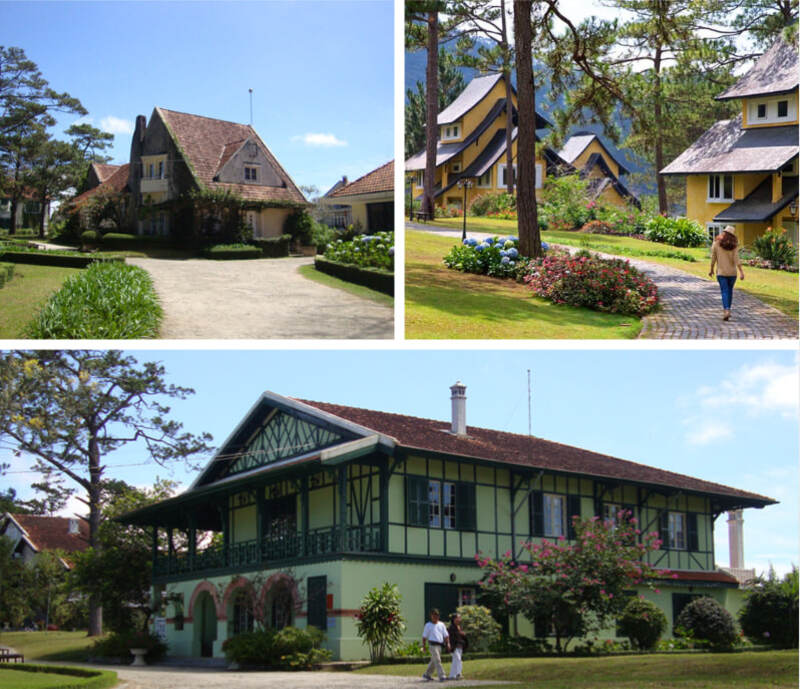
Dalat is worth visiting for travelers interested in colonial history, outdoor activities, and unique geography. Located at 1,500 meters above sea level near Lang Biang Mountain, the city features notable landmarks like the 1938-built Dalat Railway Station and vast organic farms offering a cool climate retreat.
Lang Biang Mountain, peaking at 2,169 meters, anchors the region's hiking network and provides views across the Dan Kia Lake reservoir. The Dalat Railway Station represents a specific intersection of Art Deco styling and the high, steep roofs of traditional Cao Nguyen communal houses. Today, you can ride the restored 7-kilometer cog railway segment from the main terminal to the rural town of Trai Mat, passing commercial flower greenhouses along the tracks.
The city offers a complete break from the heavy humidity found in Ho Chi Minh City or the Mekong Delta. If you want to tour functioning Arabica coffee plantations, canyon down waterfalls at Datanla, or hike through pine-covered ridges without suffering heat exhaustion, the Dalat plateau delivers conditions unavailable anywhere else in southern Vietnam.
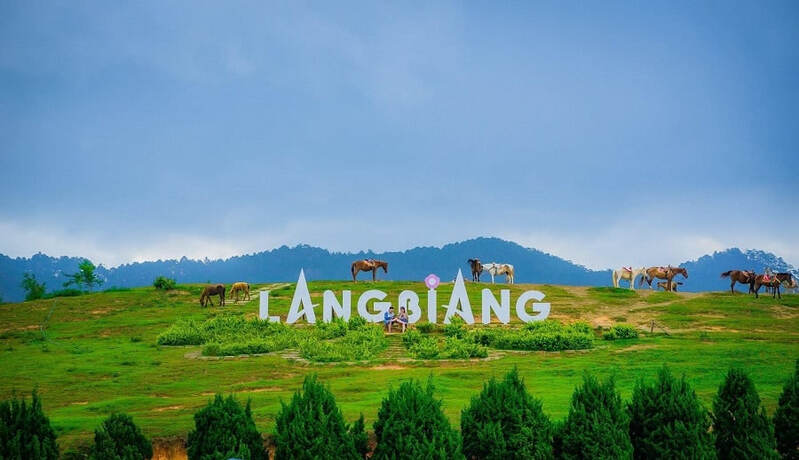
The best period to visit Dalat is from November to March, corresponding with the dry season. During these months, temperatures average 15°C to 24°C, rainfall is minimal, and the internationally recognized Dalat Flower Festival is held biennially in December, attracting international botany and culture enthusiasts.
Late November marks the bloom of wild sunflowers (Da Quy) along the mountain passes leading into the city. By January, the Mai Anh Dao cherry blossoms open along Tran Hung Dao and Le Dai Hanh streets, transforming the urban center into a major photography destination for domestic tourists.
.jpg)
Avoid scheduling your trip from July to October. The southwest monsoon season brings heavy, persistent afternoon downpours that wash out dirt trails, swell the waterfalls to dangerous levels for canyoning, and trap dense fog in the mountain valleys, frequently reducing road visibility to less than 10 meters.
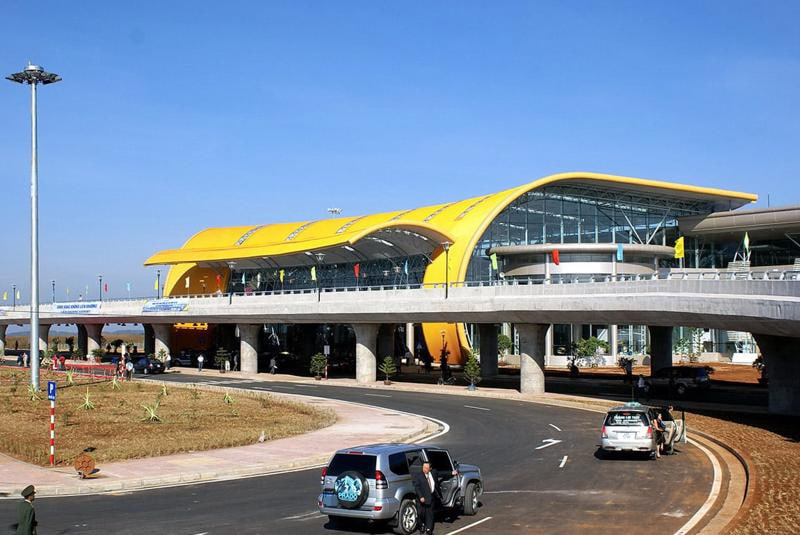
Travelers can transit the 300 kilometers from Ho Chi Minh City to Dalat via a 50-minute flight to Lien Khuong Airport. Alternatively, sleeper buses operated by Phuong Trang or private limousine vans run daily along National Route 20, taking six to eight hours to arrive.
.jpg)
| Transport Type | Duration | Average Cost USD | Best For | Watch out for |
|---|---|---|---|---|
| Direct Flight | 50 minutes | $45.00 | Travelers on strict 1-2 day timelines | The 30km taxi ride from Lien Khuong Airport to the city center costs an extra $10.00. |
| Sleeper Bus | 7-8 hours | $12.00 | Budget backpackers and overnight transits | Upper deck beds sway heavily on mountain switchbacks. |
| Limousine Van | 6 hours | $18.00 | Mid-range travelers wanting wider seats | Aggressive overtaking by drivers on the two-lane Highway 20. |
Dalat was developed as a resort town by French colonialists in the early 20th century. Today, recognized by the Vietnam National Authority of Tourism, it preserves unique architectural heritage, including the Bao Dai Summer Palace constructed for Emperor Bao Dai, the final ruler of the Nguyen Dynasty.
The city's layout stems from French urban planner Ernest Hébrard, who intentionally designed Dalat without traffic lights in 1923, incorporating roundabouts and winding avenues that follow the natural topography. The construction of the three royal mansions (Palace I, II, and III) between 1933 and 1938 solidified the town as the political summer capital of French Indochina. Palace III remains largely intact, allowing you to walk through the Emperor's personal office and family quarters, which feature original 1930s European furniture.
During the Vietnam War, Dalat remained largely untouched by combat. Both sides of the conflict tacitly treated the highland resort as a neutral rest zone, which is why the original colonial facades, stone cathedrals, and aristocratic villas survived the 20th century intact while other Vietnamese cities faced heavy bombing.
.jpg)
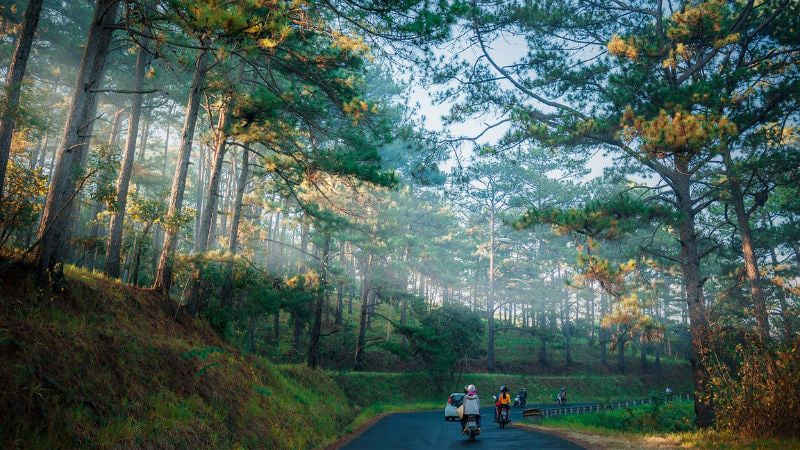
Riding a motorbike through Lam Dong Province demands constant attention to the shifting microclimates. The transition from the warm valleys into the high-altitude pine forests drops ambient temperatures by up to 8°C in minutes. By 4:00 PM, thick fog rolls across the mountain passes, turning the dust on the roads into a slick, soapy mud.
📌 Insider note:
Driving the 10km Prenn Pass requires caution around blind corners where 50-seater tour buses routinely cross the center line. The dense pine canopy traps morning dew on the asphalt, creating a permanent moisture layer that severely reduces traction and causes automatic scooter tires to slip at speeds exceeding 35 km/h.
If you prefer not to drive, booking a private car is the most reliable method for exploring the outskirts. Expect to pay average private driver day-rates of 1,000,000 VND ($39.37 USD) for an 8-hour itinerary covering routes that exceed 25 kilometers from the city center.
To safely navigate the 28-kilometer route to Linh An Temple, which takes roughly 50 minutes, take Provincial Road DT725 through the Ta Nung Pass. Maintain a speed below 40 km/h, watch for loose gravel on the downhill hairpins, and keep an eye out for stray farm dogs crossing the asphalt near the coffee processing facilities.
Non-expert riders should strictly avoid renting automatic scooters for steep highland terrain. Automatic transmissions lack the capacity for engine braking. When you ride an automatic down continuous steep grades, you rely entirely on the brake pads, which quickly overheat, warp the rotors, and eventually fail entirely, leading to severe accidents on the descents.
.jpg)
Attractions like the Clay Tunnel sit 15 kilometers south of the city center at the end of isolated peninsulas near Tuyen Lam Lake. Ride-hailing cars will drop you off, but they immediately return to the city grid rather than wait in empty parking lots. You must secure your return trip in advance.
.jpg)
Dalat houses dozens of Buddhist temples, but they differ significantly in architectural ambition and required travel time. Understanding these distinctions prevents you from spending hours in transit for a site that does not match your interests.
| Temple Name | Architectural Theme | Key Feature | Travel Time | Best For |
|---|---|---|---|---|
| Linh Phuoc Pagoda | Recycled mosaic art | 49-meter dragon made from 12,000 glass bottles | 20 minutes via Trai Mat | Photography and intricate design studies |
| Linh Son Pagoda | Classical East Asian | 1,250 kg bronze bell cast in 1952 | 5 minutes from center | Quick access and quiet courtyard reflection |
| Truc Lam Monastery | Zen Buddhist complex | Extensive manicured pine and bonsai gardens | 15 minutes via cable car | Meditation and botanical walks |
| Linh An Pagoda | Monumental modernist | 71-meter tall Lady Buddha statue | 50 minutes via DT725 | Countryside day trips near Elephant Waterfall |
.jpg)
.jpg)
Religious sites in Lam Dong Province enforce strict dress codes at their entrance gates. Guards will turn away visitors wearing shorts, tank tops, or crop tops. You must ensure both your knees and shoulders remain covered at all times while on temple grounds.
Before stepping into any indoor prayer hall, locate the shoe-removal zones. These are typically marked by large wooden shelving units flanking the main wooden thresholds. You must take off hats, sunglasses, and footwear, leaving them on the designated racks.
Photography is heavily restricted in specific zones. Inside the main sanctuary of Truc Lam Monastery, do not use flash photography, do not pose with your back to the Buddha statues for selfies, and respect the strict prohibition on photographing the resident monks during their daily walking meditations.
.jpg)
Architect Dang Viet Nga designed the Hang Nga Guesthouse, known globally as the Crazy House, to resemble a giant rotting banyan tree. The concrete structure lacks right angles, featuring organic, web-like staircases connecting themed rooms across five levels. The uneven stairs and low barriers require careful footing, especially during the frequent afternoon rains.
📌 Insider note:
The Maze Bar (100 Roofs Cafe) strictly restricts its upper-level rooftop bar to drink service starting at 9:00 PM. You can bypass the claustrophobic basement labyrinth entirely by ignoring the subterranean entrance and walking straight up the exterior concrete stairs on the left to reach the open-air seating immediately.
Xuan Huong Lake defines the exact center of Dalat with its crescent moon shape. You can rent swan paddle boats at the docks near the Lam Vien Square for 70,000 VND ($2.76 USD) per hour. A fully paved 7-kilometer walking loop wraps the water, offering a flat, accessible route for evening strolls.
Tuyen Lam Lake, located 5 kilometers south, serves as the hub for heavy outdoor exertion. Instead of paved walks, this 320-hectare body of water connects to steep, unpaved trails winding through the pine forests. The primary route takes hikers on a 3-hour trek up to Pinhatt Peak, providing an unobstructed aerial view of the lake's multiple forested peninsulas.
.jpg)
The cold climate dictates Dalat's food scene, prioritizing hot broths, grilled meats, and heavy carbohydrates over the light, fresh rolls found in southern Vietnam. For a fast meal, locate the street carts near the central market selling crispy roast pork banh mi for 20,000 VND ($0.79 USD). The pork belly is roasted until the skin bubbles, then stuffed into a baguette with heavy layers of local cilantro and green chilies.
.jpg)
For breakfast, head to Hoang Dieu street to taste authentic banh mi xiu mai. Instead of stuffing the bread, vendors serve the baguette on the side with a small, boiling bowl of pork meatballs suspended in a peppery, oily tomato broth. If you travel toward the valleys near Tuyen Lam, order bamboo steamed rice tubes (com lam) paired with whole flame-grilled chicken heavily marinated in lemongrass and wild mountain pepper.
.jpg)
The city's cafe culture capitalizes on the local dairy industry and high-altitude bean harvests. Try a traditional bac xiu, a sweet concoction prioritizing hot milk over a small shot of robusta espresso. For an alternative, walk into An Cafe on 3/2 Street and order their signature caffeine-free egg hot chocolate, which layers a dense, whipped egg yolk foam over melted local cocoa.
Rent reliable automatic scooters from specialized shops along Bui Thi Xuan Street for approximately 150,000 VND ($5.90 USD) per day. Request a recent Honda Air Blade model, verify both front and rear brake pads before leaving, and provide a passport copy rather than the original document.
Expect an average daily budget of $45 to $60 USD per person. This covers a $20 standard double room, $15 for local meals like hotpot and street food, a $6 daily scooter rental, and $4 for entrance fees to waterfalls and historical sites like the Bao Dai Palace.
Do not drink the tap water in Dalat hotels or guesthouses. While the municipal treatment plants process the water, the aging pipe infrastructure frequently introduces heavy metals and contaminants. Rely exclusively on bottled water or utilize the filtered dispensers located in your hotel lobby for drinking and brushing teeth.
Sapa serves hikers looking for steep terraced rice fields and ethnic minority village trekking near the Chinese border. Dalat caters to travelers preferring French colonial architecture, extensive coffee plantation tours, and canyoning activities, set within a highly developed urban grid roughly 300 kilometers north of Ho Chi Minh City.
Use the provided communal ladles or the reverse ends of your personal chopsticks when transferring raw meats and vegetables into the shared boiling broth. Never double-dip your eaten food back into the main pot, and wait until the beef sturgeon is fully cooked before retrieving it with the net.
CTA
Best visited during dry season (November to April) for ideal weather.
Book accommodations in advance during peak travel season.
Carry local currency (Vietnamese Dong) for markets and small vendors.
Respect local customs and dress modestly when visiting temples.